
"What Causes 'Kicking Back' Through Steering Wheel Over Bumps?"
NaTasha Brand • March 16, 2026
The Unruly Steering Wheel: Why Your Car Fights Back Over Bumps
We’ve all felt it. You’re cruising down the Houston Harte, maybe heading out to the loop, when you hit a pothole or a rough patch of asphalt. Suddenly, it feels like the steering wheel has a mind of its own. It yanks, kicks, or "bumps" back against your hands as if the front end is trying to escape your control.
For many drivers in San Angelo, the reaction is to simply grip the wheel tighter and chalk it up to "just how the roads are." But here’s the truth that might save you from a white-knuckle ride and a hefty repair bill: Your car is trying to tell you something is broken.
That sensation of "kicking back" through the steering wheel isn't a feature; it's a failure. Specifically, it’s a failure of your steering system to absorb the shock of the road, a job it was designed to do seamlessly.
The Usual Suspects: What’s Causing the Fight?
When your suspension compresses over a bump, the energy has to go somewhere. In a healthy system, it gets dissipated through the shocks, struts, and linkages. But when parts wear out, that energy travels straight up the steering column to your fingertips. Here are the three main culprits we see here in West Texas:
The Worn-Out Steering Rack (Internal Slop)
Think of your steering rack as the brain of your steering system. Inside, precision gears mesh together to translate your steering wheel input into wheel movement. Over time, and especially with the miles we put on here in San Angelo, those gears wear down. When the internal gears develop "play" or excessive clearance, the rack can no longer dampen vibrations. Instead of the rack absorbing the shock of a bump, the bump rattles the rack and sends that shock right back at you.
Loose Steering Column Joints
Your steering column isn't one solid piece of metal; it has universal joints (U-joints) to allow for the angle between the cabin and the engine bay. If these joints become loose, worn, or improperly assembled, they introduce slack. When you hit a bump, that slack closes abruptly, creating a clunking feel and a nasty kickback. It’s the mechanical equivalent of a loose handshake, unsettling and untrustworthy.
Excessive Play (The Domino Effect)
Sometimes, the issue isn't just one part but the cumulative effect of wear. Worn tie rod ends, ball joints, or bushings create "excessive play" in the front end. This play allows the wheels to move in ways they shouldn't when they encounter a bump. This uncontrolled movement tugs on the steering linkage, and since the shocks have nowhere to go, they travel up to the steering wheel.
Driving with these issues is like trying to have a conversation with someone who keeps interrupting you, eventually, communication breaks down. In your car, a lack of communication between you and the front wheels can lead to a very dangerous loss of control.
Don't Trust Your Safety to Guesswork
Diagnosing the exact source of that kickback isn't a driveway job. It requires lifting the vehicle, inspecting the geometry, and understanding the nuanced difference between a worn inner tie rod and a failing steering column. This is where the rubber meets the road, and where you need a shop that doesn't just throw parts at the problem.
In San Angelo, you need a team that has grown with the industry. Cars aren't the simple machines they were twenty years ago; they're complex computers on wheels.
That’s why you should trust your car in the hands of Ric Henry's Auto Service. For years, Ric Henry's has been the gold standard for automotive care in the 76903 area and beyond. We don't just rely on experience (though we have plenty of it); we constantly evolve. We invest in the same diagnostic tools and equipment that the dealerships use, ensuring that whether you're driving a classic truck or a brand-new import, we can pinpoint the issue accurately the first time.
Whether it’s a minor steering rack adjustment or a major mechanical overhaul, our experienced technicians treat every vehicle with the precision it deserves. And because we stand behind our work, every service we provide is backed by our industry-leading 3-year/36,000-mile warranty.
So, the next time your steering wheel gets into a fight with a pothole, don't just get a stronger grip. Get a smarter diagnosis. Bring it to Ric Henry's Auto Service at 204 W. Washington Drive.
Let us restore the peace and quiet to your daily commute.
Is your modern car burning through oil? Discover the causes of excessive oil consumption in new engines and why San Angelo drivers trust Ric Henry's Auto Service, a legacy shop since 1966.
Stop asking, "Why do you need my VIN?" Learn the fascinating history of this 17-digit code, why it is critical for accurate repairs and recalls, and why we insist on it at Ric Henry's Auto Service, San Angelo's trusted dealership alternative since 1966.
Learn what the CAN Bus system does, warning signs of failure, and why San Angelo drivers trust Ric Henry’s Auto Service for honest, dealer-level diagnostics.
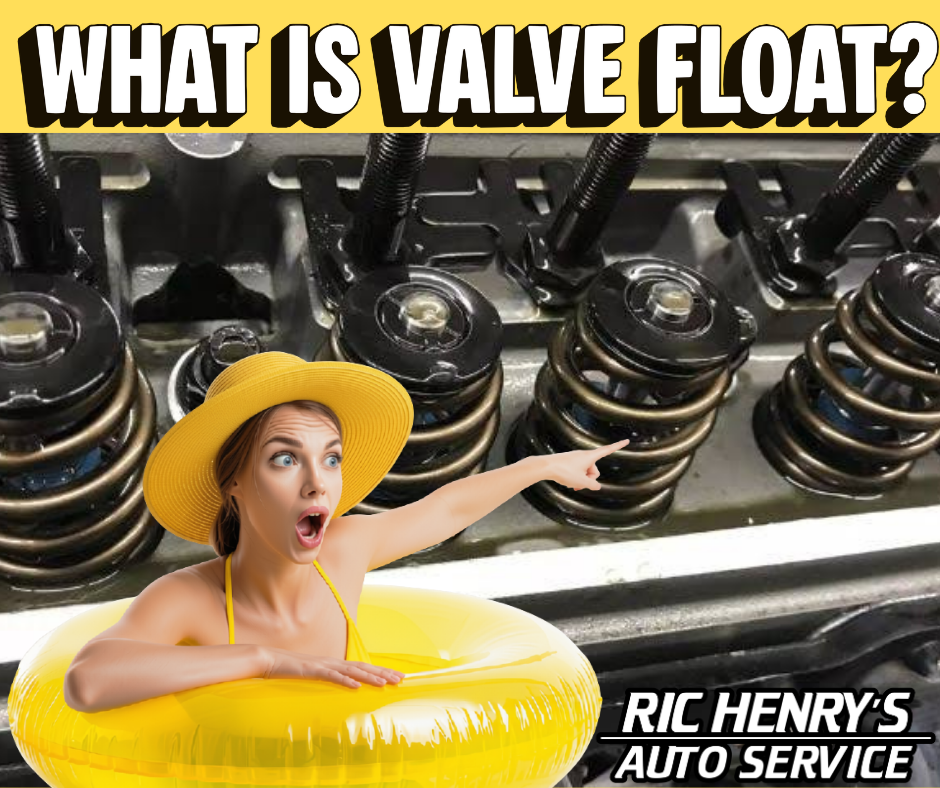
Learn what valve float is, its causes and warning signs, and how Ric Henry’s Auto Service provides trusted, modern engine diagnostics and repair for San Angelo drivers.
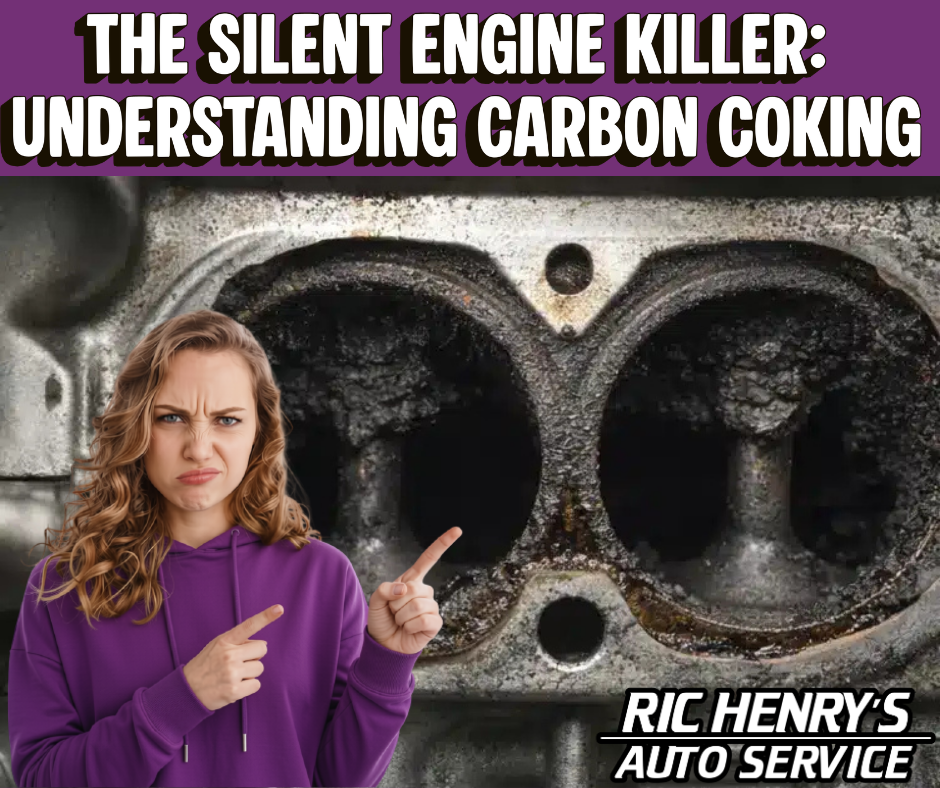
Worried about carbon coking in your direct injection engine? Learn the causes, symptoms, prevention tips, and why Ric Henry's Auto Service in San Angelo is the trusted dealership alternative you need.
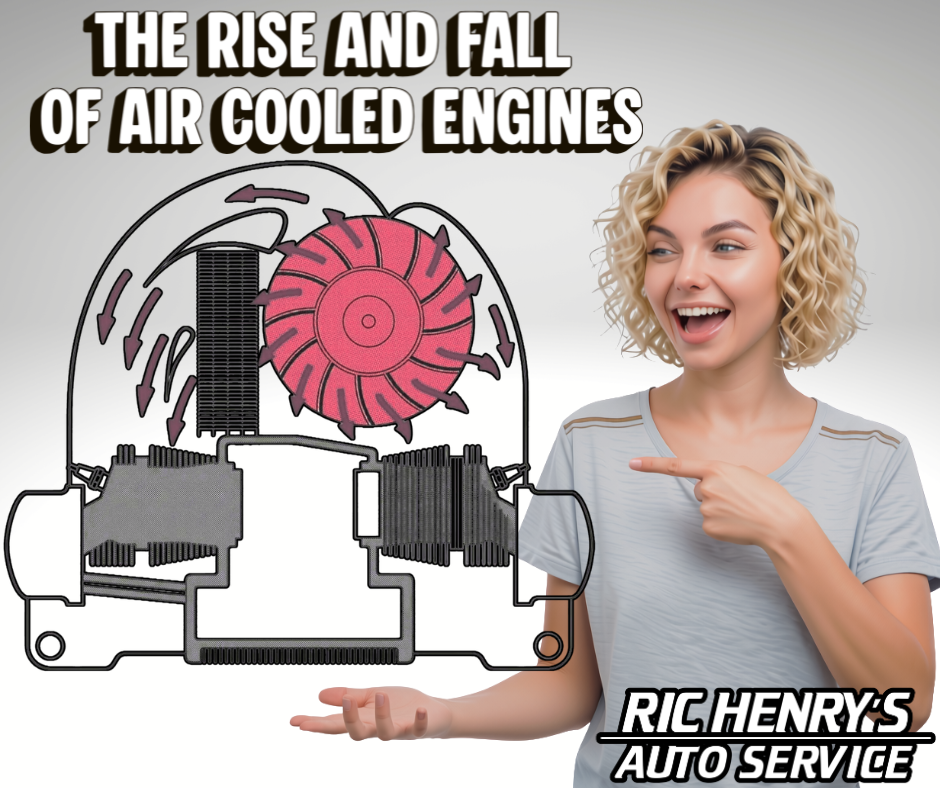
From the air-cooled VW Beetle to modern high-performance engines, the automotive world has evolved. Learn why regular coolant service is vital today and why Ric Henry's Auto Service in San Angelo is the trusted dealership alternative for generations.
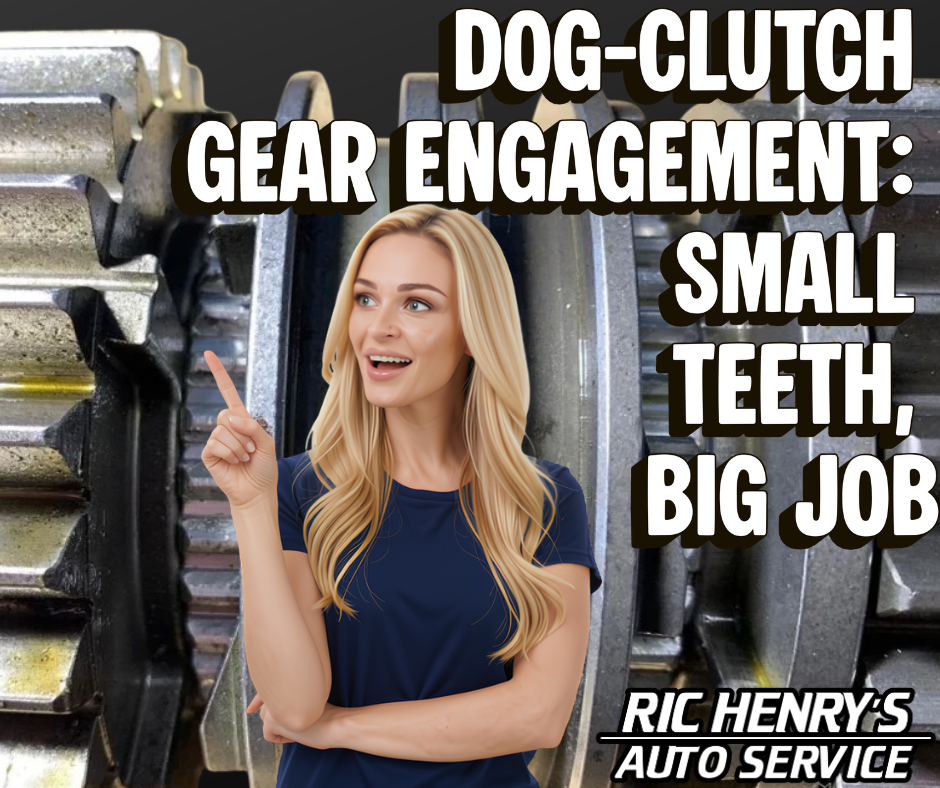
Learn how dog-clutch gear engagement works, warning signs of transmission trouble.
Wondering what engine knock is and how knock sensors protect your diesel? Ric Henry's Auto Service in San Angelo explains symptoms, repairs, and why trust matters.
Discover what causes catalytic converter failure and the warning signs to watch for. Ric Henry's Auto Service in San Angelo, TX, offers dealership-level diagnostics with a 3-year warranty. Trust our family since 1966.
Wondering how long brake pads really last? Ric Henry's Auto Service in San Angelo explains brake wear, warning signs, and why trusted dealer-level care matters. Book online today.