
Why Does My Hood Strut Fail?
NaTasha Brand • April 28, 2026
(And Why You Should Never Replace Just One)

You pop the hood to check your oil on a beautiful San Angelo morning. You reach for the release, lift the heavy panel, and for a glorious half-second, you feel like a pit crew chief. Then the hood starts its slow, dramatic descent toward your knuckles. Sound familiar?
We see it all the time. That sad, drooping hood isn't just an annoyance; it's a concussion waiting to happen. Let's talk about why your hood struts give up the ghost, why cold weather makes them cry uncle, and why you need a shop that’s been evolving with the industry for decades. Spoiler alert: we are talking about Ric Henry’s Auto Service.
The Science of the Sad Hood
That little gas-filled cylinder (your hood strut) is a marvel of pressurized nitrogen and hydraulic fluid. Over time, the high-pressure seal wears down. Microscopic leaks allow the gas to escape. One day you have a firm, confident lift. The next, you’re playing a game of "dodge the falling steel."
Symptoms we diagnose daily:
• The Guillotine: Hood won't stay up at all. You lift, it falls.
• The Slow Creep: Hood goes up, but starts sinking like the sunset over Lake Nasworthy.
• The Dead Lift: You practically need a gym membership just to get the hood off the latch.
Replace One or Both? Here is the Truth.
You have one bad strut. The other one looks fine. Can you just replace the failed one?
Technically, yes. Realistically? That is like replacing one worn-out shoe. Here is the hard truth we tell every customer at our shop: If one strut has lost enough pressure to fail, the other is statistically right behind it.
Why? Because they have endured the exact same number of heat cycles, the same dusty San Angelo roads, and the same years of wear. By replacing only one, you create an imbalance. The new, stronger strut will now do 90% of the work, causing it to wear out prematurely. You will be back for the second one within six months, paying labor twice.
Always replace them in pairs. It saves your forehead, your wallet, and your patience.
OEM vs. Aftermarket: The Wallet Fight
We get the question constantly: "Can we just get the cheap ones online?"
You can. But quality varies wildly. OEM (dealer) struts are great, but you pay for that fancy logo. Aftermarket struts range from "almost as good" to "glorified ballpoint pen springs." We source high-quality aftermarket units that meet or exceed factory specs without the dealership markup. The garbage-tier parts? They fail again in a year. We don't install those. We stand behind what we put on your car.
Why You Trust Your Hood (And Your Safety) to Ric Henry’s Auto Service
Here in San Angelo, you have choices. But when we talk about a shop that has evolved with the industry, we aren't just blowing smoke.
We are Ric Henry’s Auto Service, and we don't guess. We diagnose. That simple hood strut replacement? We treat it with the same precision as a transmission overhaul. Our experienced technicians use the exact same tools and equipment that the dealership uses. Not "similar." Not "close enough." The same.
Why does that matter for a hood strut? Because improper installation or using the wrong torque specs can damage the mounting points or the hood itself. A flying hood at 70 mph on Highway 67 is not a good look.
We offer comprehensive auto repair services beyond just keeping your hood aloft. From minor fixes to major overhauls, we handle it all. Need a brake flush, cooling system service, or a full engine diagnostic? We are your team. And we back every single service we provide with a 3-year/36,000-mile warranty. Not many shops in San Angelo offer that kind of peace of mind.
Don't trust your car to a guy with a toolbox and a YouTube subscription. Trust your car in the hands of Ric Henry’s Auto Service.
Is your battery dying even though your alternator tested good? Ric Henry's Auto Service in San Angelo explains ripple voltage and parasitic draws. Trust our legacy shop for honest diagnostics and dealer-level care. Call us today.
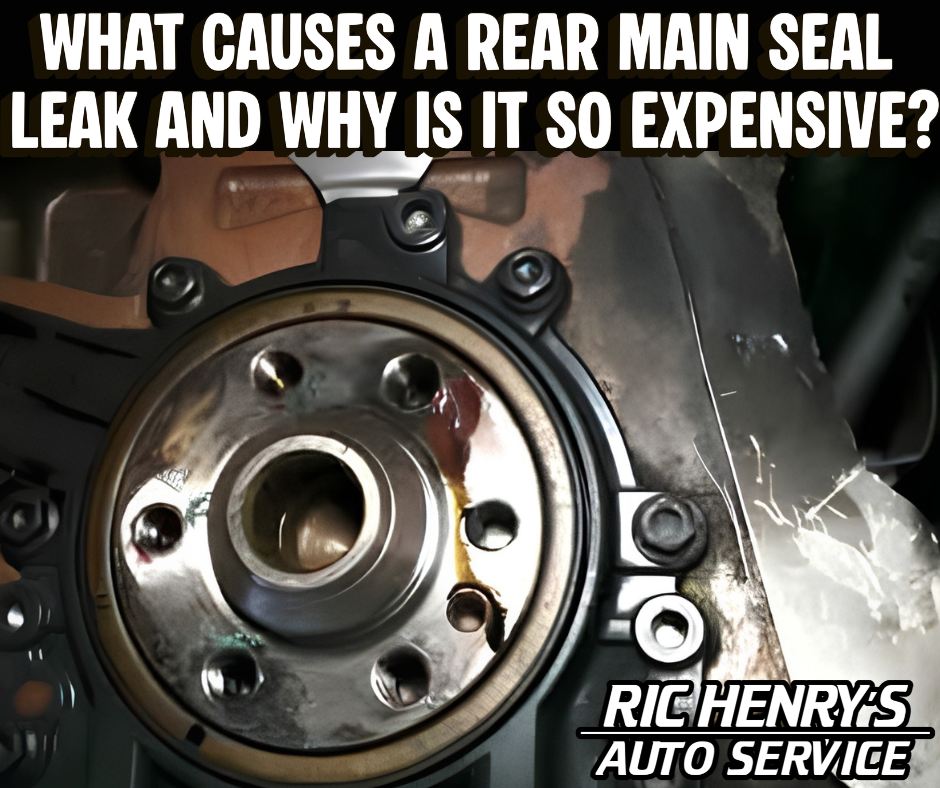
Discover what causes a rear main seal leak, why repairs cost so much, and how Ric Henry’s Auto Service in San Angelo, TX, delivers honest diagnostics and expert auto repair.
Wondering what a head gasket combustion leak test does? Learn how Ric Henry's Auto Service in San Angelo, TX, diagnoses coolant leaks, prevents engine damage, and delivers honest, modern auto repair.
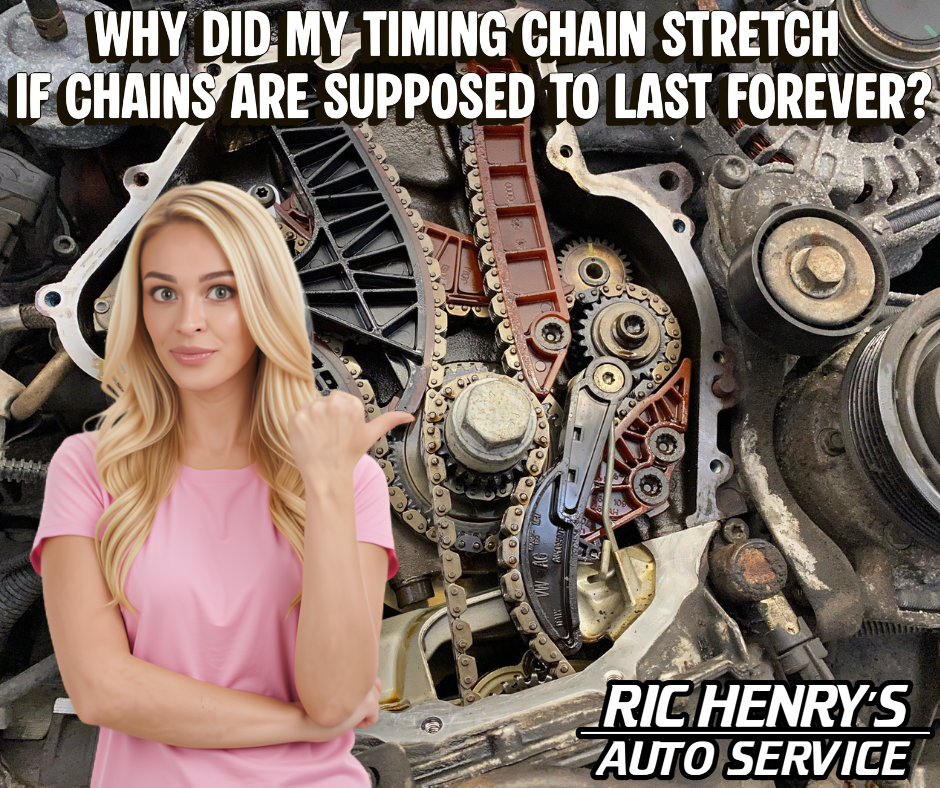
Why did your timing chain stretch? Learn the truth about timing chain wear and why oil maintenance is key. Trust Ric Henry's Auto Service in San Angelo for honest diagnostics and dealer-level care without rearranging your life.
Why does your shop recommend a repair the dealer did not? Ric Henry's Auto Service explains diagnostic approach, liability, and who is actually reading the data. Trust San Angelo's dealership alternative for honest diagnostics. Dealer-level care without rearranging your life.
Is electrolysis eating your radiator from the inside? Ric Henry's Auto Service explains stray voltage, bad grounds, and how to test with a multimeter. Trust San Angelo's dealership alternative for expert cooling system repair. Dealer-level care without rearranging your life.
Is your brake pedal going to the floor? Ric Henry's Auto Service explains master cylinder bypass, air in the system, and ABS module bleeding. Trust San Angelo's dealership alternative for expert brake repair. We offer dealer-level care without rearranging your life.

Does Eco Mode actually save you money? Ric Henry's Auto Service in San Angelo breaks down throttle mapping, shift points, and AC cycling to give you the honest answer. Trusted auto repair since 1966.
Is running your car low on gas bad? We debunk the fuel pump cooling myth and the sediment reality. Trust Ric Henry's Auto Service in San Angelo for honest diagnostics.
Is your clutch slipping or smelling like burnt money? Learn the signs of clutch failure and why San Angelo trusts Ric Henry's Auto Service for honest diagnostics and dealer-level care.