
Why Did My Cigarette Lighter Power Outlet stop working?
NaTasha Brand • April 27, 2026
No Power?? Fuse or Socket??

You plug in your phone charger, radar detector, or dash cam. Nothing. No tiny LED light. No satisfying click. Just the cold silence of a dead 12V power outlet. Sound familiar?
We’ve seen this a thousand times in San Angelo. The good news? Most of the time, it’s a cheap, easy fix. The bad news? Sometimes it’s a warning sign that something else is cooking your car’s electrical system.
So let’s play automotive detective. Fuse, socket, or something sneakier?
First Stop: The Fuse Box (Most Likely Culprit)
We tell our customers this all the time: start with the fuse. About 80% of dead outlet cases are just a blown fuse. Why? Because people plug in high-draw devices: cheap tire inflators, sketchy phone chargers, or that ancient portable fridge from your uncle’s garage and the circuit says “nope.”
Check your owner’s manual for the location (usually under the dash or hood). Look for the “cigarette lighter” or “power outlet” fuse. Often, one fuse serves multiple outlets, so if your rear seat port is also dead, that’s your smoking gun.
Swap it with a new fuse of the exact amperage. Never use a higher rating, or you’ll melt wires before the fuse blows. Ask us how we know. Actually, don’t. The smell of burned wiring is something we’d rather forget.
If the Fuse Keeps Blowing Repeatedly
Now we have a real conversation. One blown fuse is a fluke. Two is a pattern. Three means your device is drawing too much power or there’s a short in the socket itself.
We’ve seen cigarette lighters packed with pocket change, melted gum wrappers, and once – we swear – a petrified french fry. Debris causes internal shorts. So before you blame the fuse, inspect the socket.
Socket Corrosion and the Bent Center Contact
Texas heat and humidity do nasty things to metal. Corrosion builds up on the inner wall and the center contact pin. That crusty green or white powder? It blocks electricity like a clogged artery.
Grab a flashlight. Look inside. If it’s dirty, we carefully clean it with a non-conductive spray and a small brush. Disconnect the battery first unless you enjoy unexpected sparks.
The center contact can also get bent downward over time from aggressive plug-pushing. A small flathead screwdriver (with the battery disconnected) can gently pry it back up. But go easy. Too much force and you’re shopping for a new socket assembly.
When to Stop DIY and Call a Pro
Here’s where we earn our keep. If the fuse is fine, the socket is clean, the contact is straight, and you still have no power, the problem is hiding in the wiring. A broken wire behind the dash, a corroded ground, or a failed relay. That’s not a Saturday afternoon job for most folks.
And that’s why San Angelo drivers trust Ric Henry’s Auto Service. We don’t guess. We diagnose. We use the same diagnostic tools and equipment that dealerships use, but we don’t charge dealership prices or treat you like a number.
We offer comprehensive auto repair services, from minor electrical fixes to major overhauls. Whether it’s a dead outlet, a no-start condition, or your check engine light has become a permanent dashboard decoration, our experienced technicians have you covered. We also provide multiple other system maintenance services – brakes, suspension, cooling, you name it.
And because we stand behind our work, every service we provide carries a 3-year / 36,000-mile warranty. Not many shops in San Angelo offer that. We do. Because we’ve been evolving with the industry for decades, not stuck in the past.
So if your power outlet is playing dead, and you’ve ruled out the simple stuff, trust your car in the hands of Ric Henry’s Auto Service.
We’ll find the real problem, fix it right the first time, and get you back on the road with a working charger and a smile.
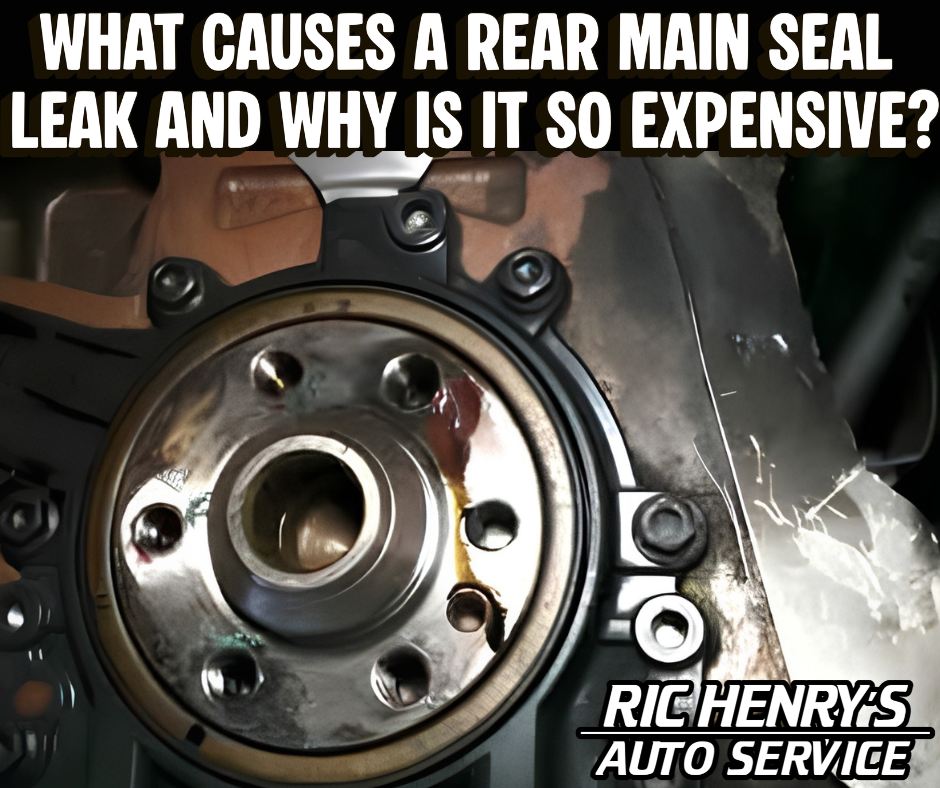
Discover what causes a rear main seal leak, why repairs cost so much, and how Ric Henry’s Auto Service in San Angelo, TX, delivers honest diagnostics and expert auto repair.
Wondering what a head gasket combustion leak test does? Learn how Ric Henry's Auto Service in San Angelo, TX, diagnoses coolant leaks, prevents engine damage, and delivers honest, modern auto repair.

Why did your timing chain stretch? Learn the truth about timing chain wear and why oil maintenance is key. Trust Ric Henry's Auto Service in San Angelo for honest diagnostics and dealer-level care without rearranging your life.

Why does your shop recommend a repair the dealer did not? Ric Henry's Auto Service explains diagnostic approach, liability, and who is actually reading the data. Trust San Angelo's dealership alternative for honest diagnostics. Dealer-level care without rearranging your life.
Is electrolysis eating your radiator from the inside? Ric Henry's Auto Service explains stray voltage, bad grounds, and how to test with a multimeter. Trust San Angelo's dealership alternative for expert cooling system repair. Dealer-level care without rearranging your life.

Is your brake pedal going to the floor? Ric Henry's Auto Service explains master cylinder bypass, air in the system, and ABS module bleeding. Trust San Angelo's dealership alternative for expert brake repair. We offer dealer-level care without rearranging your life.

Does Eco Mode actually save you money? Ric Henry's Auto Service in San Angelo breaks down throttle mapping, shift points, and AC cycling to give you the honest answer. Trusted auto repair since 1966.

Is running your car low on gas bad? We debunk the fuel pump cooling myth and the sediment reality. Trust Ric Henry's Auto Service in San Angelo for honest diagnostics.

Is your clutch slipping or smelling like burnt money? Learn the signs of clutch failure and why San Angelo trusts Ric Henry's Auto Service for honest diagnostics and dealer-level care.

Wondering why your European car has such frequent service intervals? Ric Henry's Auto Service in San Angelo explains the engineering behind the schedule and why trusting a modern, experienced shop matters.