
Why Does My Car Start Fine When Cold But Not When Hot?
NaTasha Brand • March 11, 2026
The Curious Case of the Fair-Weather Friend
There is a special kind of frustration reserved for vehicle owners in San Angelo. It usually hits right after you’ve driven across town on a scorching afternoon. You run a quick errand, come back to your car after just ten minutes, and turn the key. Your trusted steed, the one that growled to life without a complaint this morning in your cool driveway, suddenly sounds like a winded rodeo clown. It cranks, but it just won’t catch.
If this sounds familiar, you aren’t alone. We see this phenomenon quite a bit at Ric Henry's Auto Service. It’s a head-scratcher for drivers, but for us, it’s a classic tale of automotive irony: your car gets too hot to handle the heat.
Why does your vehicle suffer from this fair-weather friend syndrome? It’s not haunted, and it’s likely not the battery. The issue is usually one of three gremlins that only show up when the temperatures rise under that Concho Valley sun.
First, let’s talk about Heat Soak. Under your hood, your starter motor is a workhorse. But it’s also a bit of a diva. When the engine is running, the starter sits there soaking up radiant heat from the exhaust and engine block. After you shut the car off, that heat has nowhere to go. It "soaks" into the starter motor. The copper windings inside the starter increase in electrical resistance as they get hotter. High resistance means less power to turn the engine. So, while your battery has plenty of juice, the heat-soaked starter can’t use it efficiently, leading to that sluggish crank or a single, sad click.
Next up is a ghost from automotive past that still haunts drivers today: Vapor Lock. Now, on older cars with carburetors, this was a literal blockade of fuel vapor in the lines, stopping liquid gas from reaching the engine. Modern fuel-injected cars are better at handling it, but they aren't immune, especially in a San Angelo summer. When things get too hot, the fuel in the rails can actually boil, creating vapor bubbles. Your fuel pump is designed to push liquid, not air. Those bubbles disrupt the pressure, tricking the engine into running lean or not getting any fuel at all until everything cools down and the vapor condenses back into liquid.
Finally, one of the most common culprits in modern vehicles is a failing Crankshaft Position Sensor. This little electronic wizard tells your engine’s computer when to fire the spark plugs and injectors. Here’s the kicker: sensors are calibrated to work within a specific temperature range. As they age, the internal components can become heat-sensitive. When the engine is cold, the sensor works perfectly. But when the engine bay heats up, the circuit breaks down internally, and the signal stops. No signal, no spark, no start. Wait thirty minutes for it to cool down, and it works again.
The Trouble with Today’s Tech
Pinpointing which of these issues is plaguing your car isn't as simple as it used to be. You can’t just pop the hood and eyeball a bad sensor or heat-soaked starter. This is where the automotive industry has evolved. The days of shade-tree guesswork are over.
You need a shop that has evolved right along with it. You need a team that doesn’t just listen to your story but can use the same advanced diagnostic tools found at the dealership to interpret what your car is telling you. That’s where we come in.
At Ric Henry's Auto Service in San Angelo, we’ve been serving this community since 1992. We’ve seen the industry transform, and we’ve transformed with it. Our experienced technicians are constantly training and we invest in the same tools and equipment that the dealerships use. Whether it’s a tricky heat soak issue on a full-size pickup or a finicky crankshaft sensor on a European sedan, we are equipped to handle a wide range of repairs, from minor fixes to major overhauls.
We believe that trust is the most important part of the repair process. That’s why we offer comprehensive auto repair services backed by a 3-year/36,000-mile warranty for everything we do. We want you to feel confident that your vehicle is in the right hands.
So, if your car is pulling this hot-start disappearing act, don’t let it leave you stranded. Bring it to the shop that San Angelo trusts, Ric Henry's Auto Service.
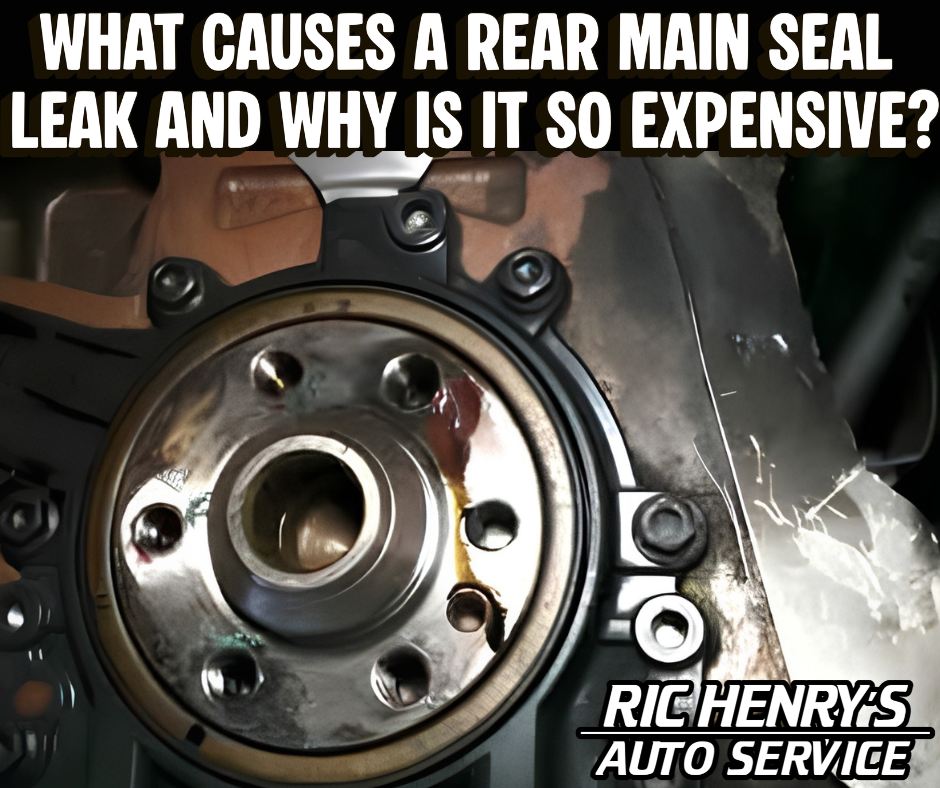
Discover what causes a rear main seal leak, why repairs cost so much, and how Ric Henry’s Auto Service in San Angelo, TX, delivers honest diagnostics and expert auto repair.
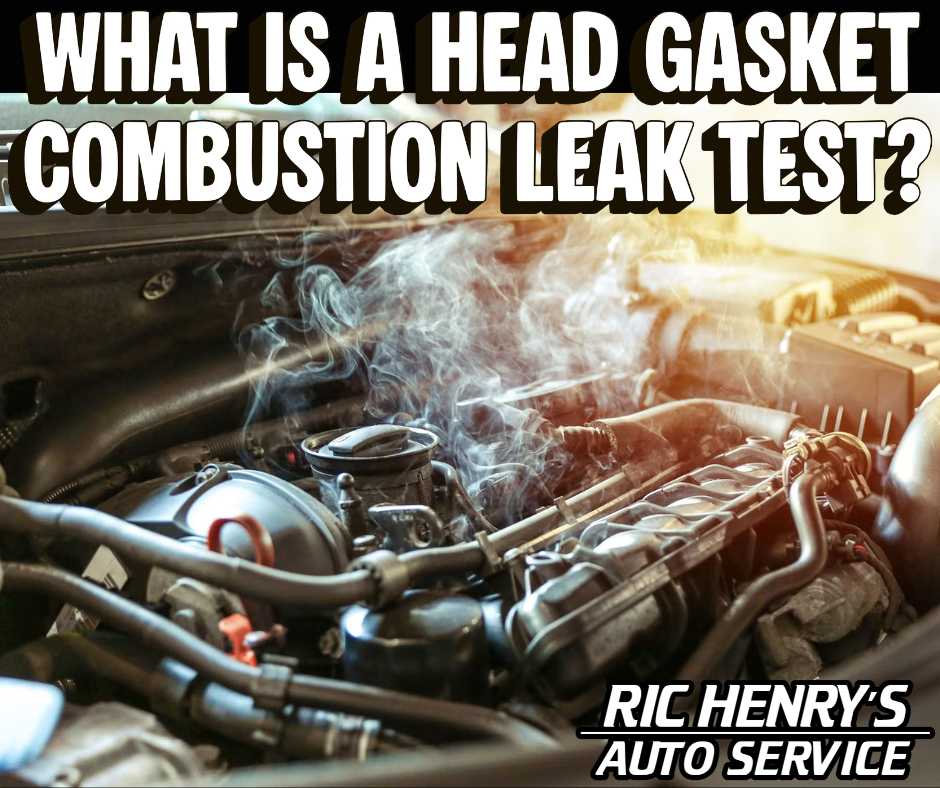
Wondering what a head gasket combustion leak test does? Learn how Ric Henry's Auto Service in San Angelo, TX, diagnoses coolant leaks, prevents engine damage, and delivers honest, modern auto repair.
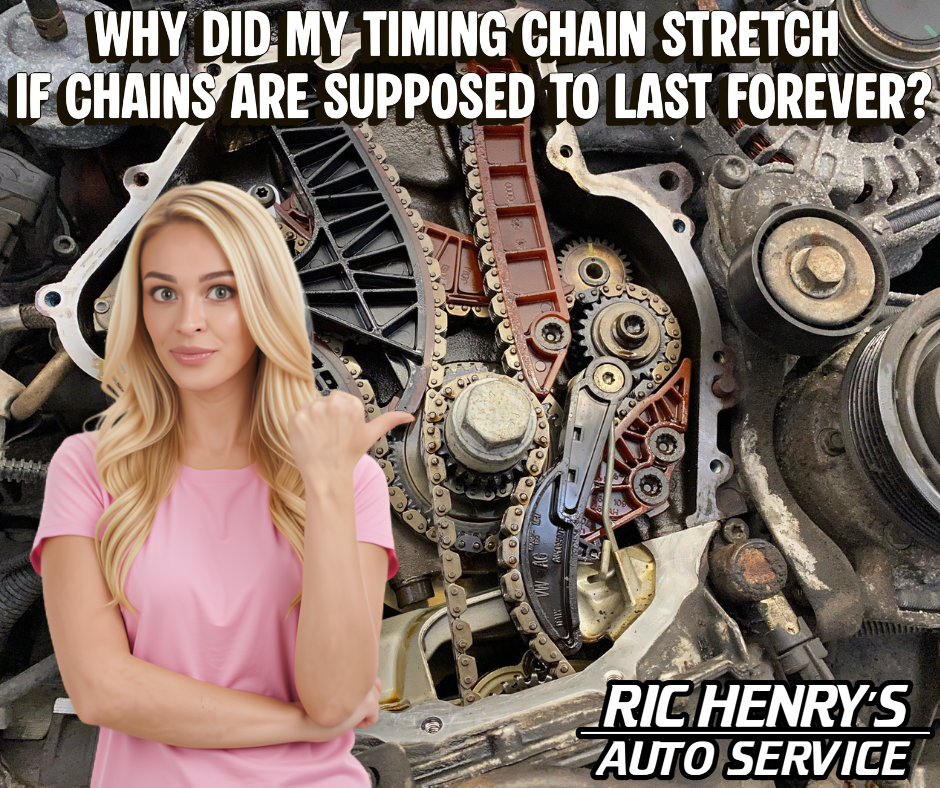
Why did your timing chain stretch? Learn the truth about timing chain wear and why oil maintenance is key. Trust Ric Henry's Auto Service in San Angelo for honest diagnostics and dealer-level care without rearranging your life.
Why does your shop recommend a repair the dealer did not? Ric Henry's Auto Service explains diagnostic approach, liability, and who is actually reading the data. Trust San Angelo's dealership alternative for honest diagnostics. Dealer-level care without rearranging your life.
Is electrolysis eating your radiator from the inside? Ric Henry's Auto Service explains stray voltage, bad grounds, and how to test with a multimeter. Trust San Angelo's dealership alternative for expert cooling system repair. Dealer-level care without rearranging your life.

Is your brake pedal going to the floor? Ric Henry's Auto Service explains master cylinder bypass, air in the system, and ABS module bleeding. Trust San Angelo's dealership alternative for expert brake repair. We offer dealer-level care without rearranging your life.

Does Eco Mode actually save you money? Ric Henry's Auto Service in San Angelo breaks down throttle mapping, shift points, and AC cycling to give you the honest answer. Trusted auto repair since 1966.
Is running your car low on gas bad? We debunk the fuel pump cooling myth and the sediment reality. Trust Ric Henry's Auto Service in San Angelo for honest diagnostics.

Is your clutch slipping or smelling like burnt money? Learn the signs of clutch failure and why San Angelo trusts Ric Henry's Auto Service for honest diagnostics and dealer-level care.

Wondering why your European car has such frequent service intervals? Ric Henry's Auto Service in San Angelo explains the engineering behind the schedule and why trusting a modern, experienced shop matters.