
Hero of Your Suspension: The Ball Joint
NaTasha Brand • September 2, 2025
Why is it So Important? Your Safety Depends on It
There's a small, unassuming component in your car's suspension that is absolutely vital to your safety, yet most drivers have never heard of it. It works tirelessly, enduring every pothole on Knickerbocker Road and every rough patch on West Beauregard Avenue. Meet the ball joint—the hardworking pivot point that connects your steering to your wheels. Think of it as the hip socket of your car, allowing for smooth movement and control. When it's healthy, you don't notice it. When it's failing, you definitely will.
At Ric Henry's Auto Service, we've been the trusted experts in San Angelo auto repair since 1966, and we know that an informed driver is a safe driver. This guide will dive deep into what a ball joint does, why it's so critical, the symptoms of failure, and why this is one repair you should always leave to the professionals.
What is a Ball Joint and What Does It Do?
In simple terms, a ball joint is a bearing that connects your vehicle's control arms to its steering knuckles. It's a metal stud with a spherical head that sits inside a lubricated socket, allowing for rotational and pivoting movement. This ingenious design is what lets your wheels move up and down over bumps while simultaneously turning left and right based on your steering input.
Most front suspensions have upper and lower ball joints. The lower ball joint is typically the load-bearing workhorse, supporting the weight of the vehicle, while the upper ball joint often serves as a follower to maintain alignment. Without this crucial component, your suspension would be a rigid, ineffective mess, making for a brutally uncomfortable and uncontrollable ride.
Why is it So Important? Your Safety Depends on It
The ball joint is a classic case of a small part playing a giant role. Its importance cannot be overstated:
- Control and Handling: It ensures precise steering response, translating your turn of the wheel into a smooth change in direction.
- Ride Comfort: It allows the suspension to articulate freely, absorbing impacts from the road so you don't have to.
- Safety: This is the big one. A severely worn ball joint can catastrophically fail. The stud can separate from the socket, causing the control arm to detach. This can lead to a complete loss of control over that wheel, resulting in a collision.
Given the extreme heat and dust in San Angelo, which can break down lubricants and wear down components faster, keeping an eye on your suspension is paramount for safe driving on our local roads.
Is Your Car Trying to Tell You Something? Symptoms of a Failing Ball Joint
Ball joints don't fail overnight; they give plenty of warning signs. Heed these cries for help:
- The Telltale "CLUNK": The most common symptom is a loud, intermittent clunking or rattling noise from the front corners of your vehicle, especially when going over bumps, dips, or making turns. It's the sound of metal rattling around in a worn-out socket.
- Wandering Steering & Vibration: Do you feel like your car is wandering aimlessly down the road, requiring constant small corrections to stay in your lane? Do you feel a vibration through the steering wheel or floorboard? This "sloppy" steering is a classic sign of excessive play from worn ball joints.
- Uneven Tire Wear: Take a look at your front tires. Are the inner or outer edges wearing down dramatically faster than the rest of the tread? This is a major red flag that your wheels are out of alignment due to loose ball joints.
- The Vehicle Pulls to One Side: If your car seems to have a mind of its own and drifts to one side, particularly after hitting a bump, it could be a sign that a ball joint on one side is more worn than the other.
Why a DIY Repair is a Road to Disaster
While the internet is full of videos showing how to replace ball joints with a "pickle fork" tool, this is one job where professional expertise is non-negotiable. Here's why:
- Specialized Tools are Required: The job isn't just about hammering out the old part. Many ball joints are press-fit and require a hydraulic press to remove and install without damaging the control arm. Professional shops like Ric Henry's have this equipment.
- It's Incredibly Dangerous: Applying excessive force with improper tools can lead to sudden failure under tension, potentially causing injury. Furthermore, if you misdiagnose the issue or perform the repair incorrectly, you risk a catastrophic failure on the road.
- It Requires a Precision Follow-Up: Replacing a ball joint will dramatically alter your wheel alignment. The job is not complete without a professional alignment to ensure your tires wear evenly and your car drives straight. Without it, you'll be buying a new set of tires far sooner than you should.
- You Need a Professional Diagnosis: The symptoms of bad ball joints mimic other issues (like bad tie rods or control arm bushings). Our technicians at Ric Henry's use their decades of experience and dealer-grade tools to accurately pinpoint the exact problem, saving you from replacing parts that don't need it.
Why Trust Ric Henry's Auto Service with Your Repair?
When you bring your car to us, you're not just getting a new part. You're getting peace of mind.
- Expertise You Can Trust: As the only shop in San Angelo with the specific expertise to service luxury foreign vehicles, our technicians are among the most skilled in the region.
- Dealer-Level Tools: We use the same advanced tools and equipment that dealerships use, ensuring the repair is done to manufacturer specifications.
- The Ric Henry's Warranty: We stand behind our work with a 3-year/36,000-mile nationwide warranty on all services. We fix it right the first time, and we guarantee it.
- Convenience: With local towing services, walk-in appointments, and a unique concierge service within city limits, we make getting your car repaired as hassle-free as possible.
Don't ignore the clunk.
What starts as an annoying sound can quickly become a serious safety hazard. If you're experiencing any of these symptoms, let the pros at Ric Henry's Auto Service take a look.
Does engine braking damage your car? Discover the truth about downshifting, rev-matching, and brake fade. Trust your vehicle to Ric Henry's Auto Service in San Angelo for expert care.
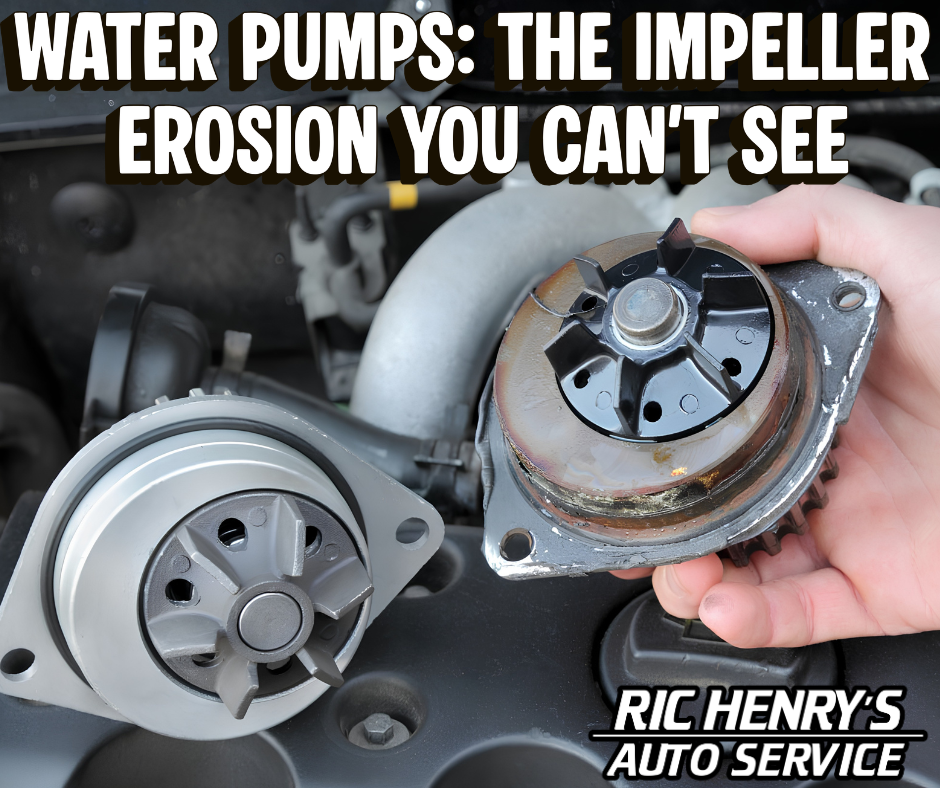
Water pump problems can hide behind impeller erosion and poor coolant circulation. Learn why San Angelo drivers trust Ric Henry's Auto Service for honest diagnostics, modern technology, and dealership-level care.

Is your modern car burning through oil? Discover the causes of excessive oil consumption in new engines and why San Angelo drivers trust Ric Henry's Auto Service, a legacy shop since 1966.

Stop asking, "Why do you need my VIN?" Learn the fascinating history of this 17-digit code, why it is critical for accurate repairs and recalls, and why we insist on it at Ric Henry's Auto Service, San Angelo's trusted dealership alternative since 1966.
Learn what the CAN Bus system does, warning signs of failure, and why San Angelo drivers trust Ric Henry’s Auto Service for honest, dealer-level diagnostics.
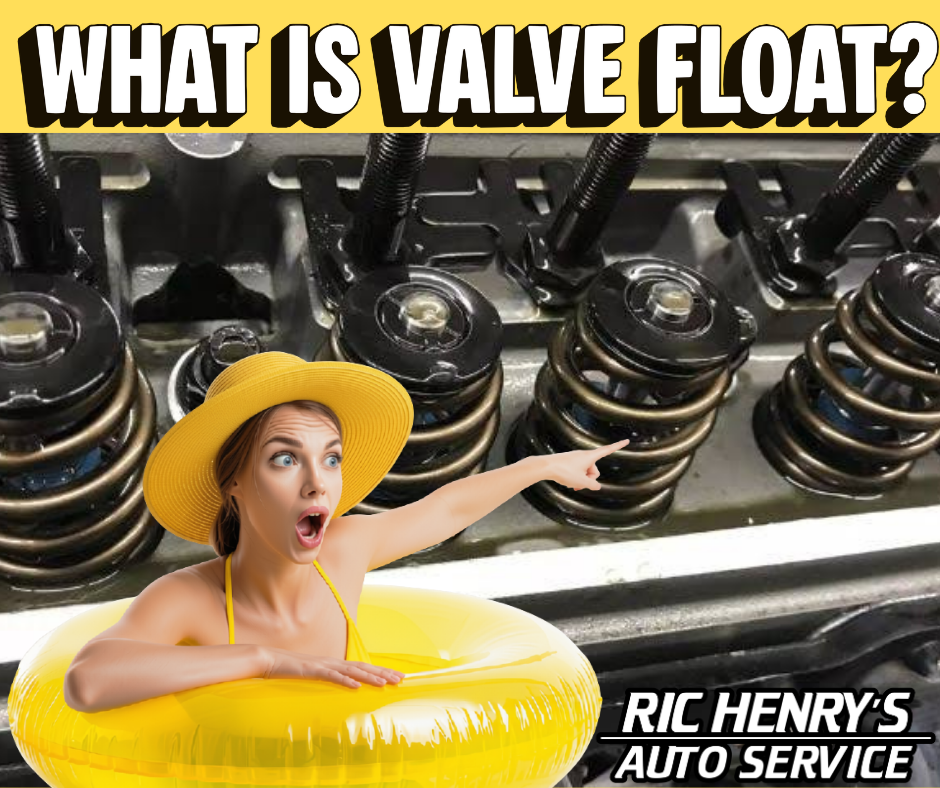
Learn what valve float is, its causes and warning signs, and how Ric Henry’s Auto Service provides trusted, modern engine diagnostics and repair for San Angelo drivers.
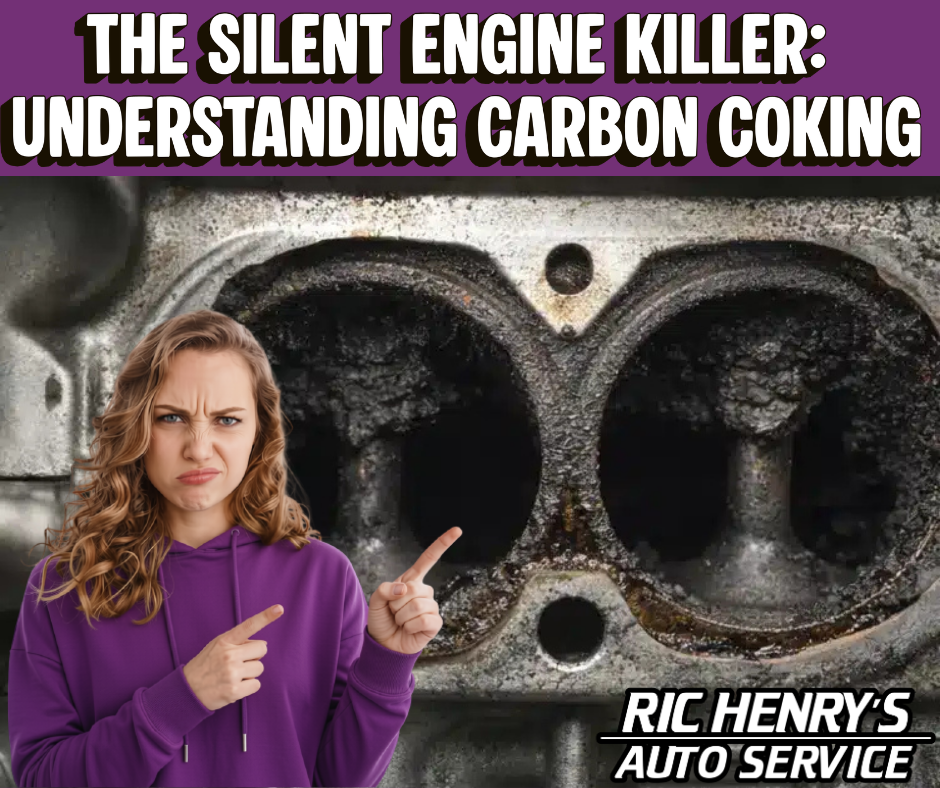
Worried about carbon coking in your direct injection engine? Learn the causes, symptoms, prevention tips, and why Ric Henry's Auto Service in San Angelo is the trusted dealership alternative you need.
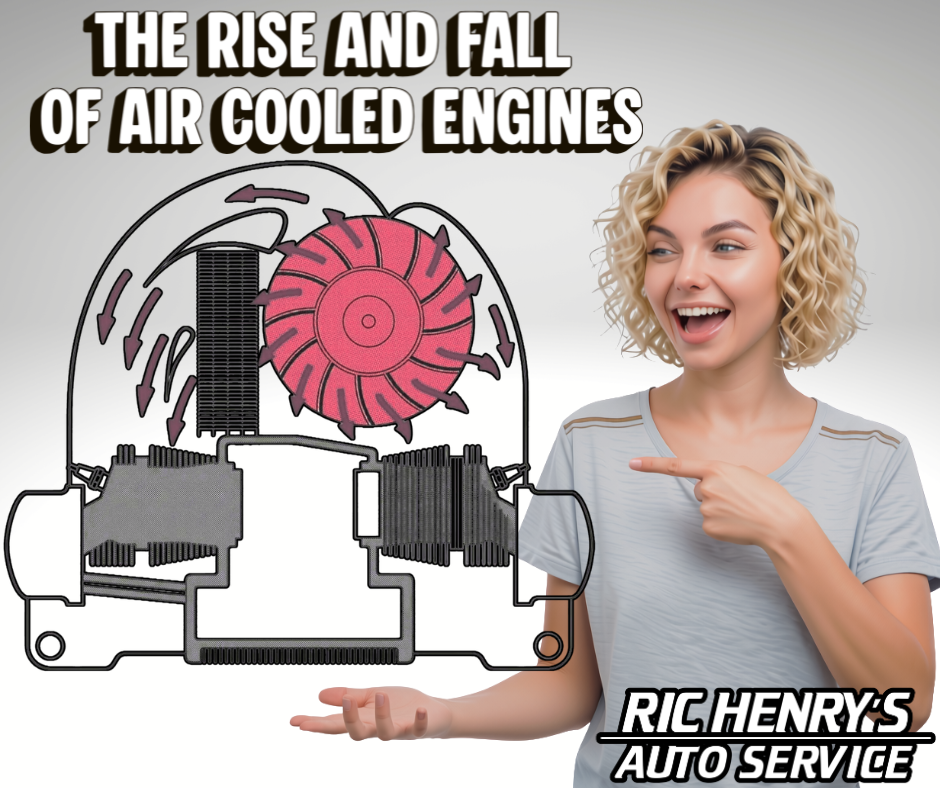
From the air-cooled VW Beetle to modern high-performance engines, the automotive world has evolved. Learn why regular coolant service is vital today and why Ric Henry's Auto Service in San Angelo is the trusted dealership alternative for generations.
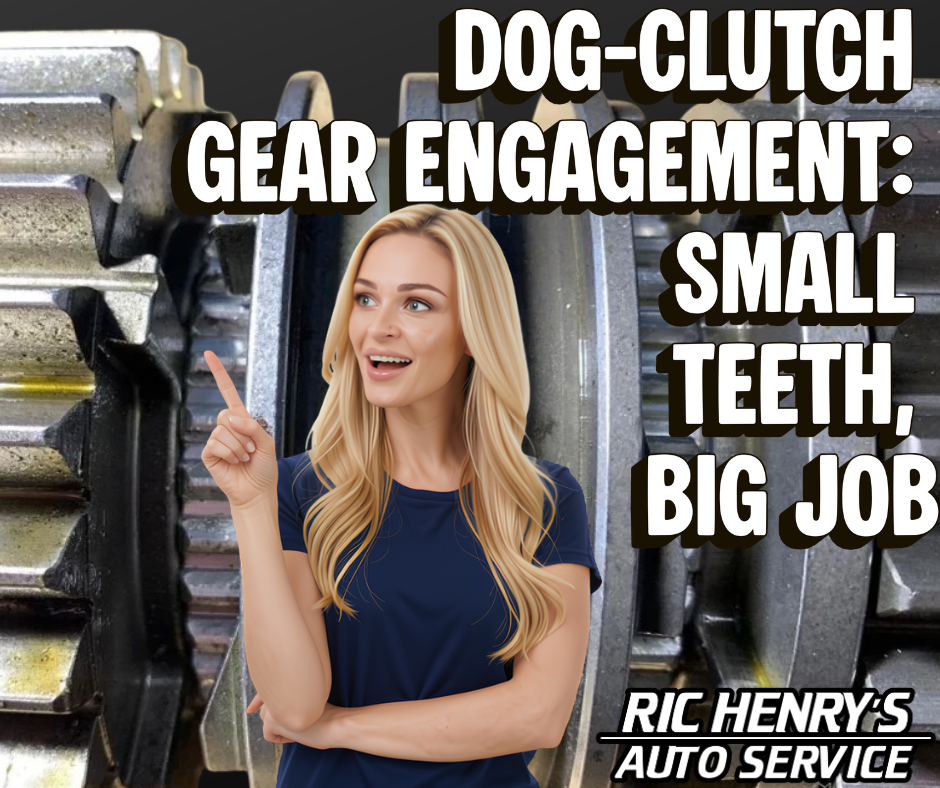
Learn how dog-clutch gear engagement works, warning signs of transmission trouble.

Wondering what engine knock is and how knock sensors protect your diesel? Ric Henry's Auto Service in San Angelo explains symptoms, repairs, and why trust matters.