
What is a Parasitic Drain
NaTasha Brand • September 3, 2025
The Phantom Battery Killer
You parked your car last night. It was fine. This morning, it's deader than a doornail. No lights were left on, no doors were ajar. So, what sinister force is conspiring against you and your battery? Welcome to the frustrating world of parasitic drain—the automotive equivalent of a leaky faucet that slowly empties your battery's vitality.
For drivers in San Angelo, where the heat can already test a battery's limits, an unseen electrical drain can feel like a personal betrayal. At Ric Henry’s Auto Service, we've played detective on countless cases of phantom power loss. This guide will shed light on what parasitic drain is, what causes it, and why this is one electrical gremlin best left to professionals to exorcise.
What is a Parasitic Drain?
In simple terms, a parasitic drain (or parasitic draw) is when an electrical component in your vehicle continues to draw power from the battery after the ignition has been turned off and the car is supposed to be fully asleep.
A small amount of drain is normal and necessary. Your car's computer, alarm system, clock, and preset radio stations need a tiny trickle of power to maintain their memory. This is typically between 20-50 milliamps (mA). A problematic parasitic drain is when that draw exceeds this normal range—often jumping to 100 mA, 200 mA, or even more. This is like leaving a tiny dome light on 24/7; eventually, it will drain the battery completely.
What Causes This Phantom Drain?
The culprits are often electrical components that fail to "go to sleep" or that develop a short circuit. Common causes we see at our San Angelo shop include:
• Malfunctioning Modules: Modern cars are rolling computers. A faulty infotainment screen, body control module (BCM), or even a glitchy power seat module can wake up and stay awake, drawing significant power.
• Aftermarket Accessories: Poorly installed dash cams, GPS trackers, stereos, or security systems are classic culprits. If they're wired directly to a constant power source instead of an ignition-switched one, they never turn off.
• Stuck Relays: A relay is an electronically operated switch. If it gets stuck in the "on" position, it can activate the circuit it controls (like a trunk light or fuel pump) indefinitely.
• Old-School Problems: A trunk light, glove box light, or even a vanity mirror light with a faulty switch can stay on secretly, draining the battery.
• Corroded or Damaged Wiring: Chafed wires in door jambs or under the hood can short out against the body of the car, creating an unintended path for electricity to flow.
How It Affects You: The Symptoms
You don't need a multimeter to suspect a parasitic drain. The symptoms are clear and frustrating:
• The "Dead Battery Overnight" Surprise: The most obvious sign. Your car starts fine one day and is completely dead the next morning.
• A Battery That Dies After Sitting for 2-3 Days: Even a healthy battery will die if left long enough with a significant drain, but a weak one will succumb much faster.
• The Need for Frequent Jump-Starts: If you're constantly reaching for the jumper cables, and your battery tests as healthy, a drain is the likely suspect.
What Can Be Done to Prevent It?
While not all drains are preventable, you can minimize the risk:
• Be Wary of Aftermarket Add-ons: Have any new electronics installed by a reputable professional like Ric Henry’s who understands proper wiring protocols.
• Disconnect During Long Storage: If you're leaving your car for an extended period, consider disconnecting the battery negative terminal.
• Address Problems Promptly: If you notice an interior light not turning off, or a module acting strangely, get it checked out before it drains your battery.
Why You Want a Professional to Resolve This Issue
This is perhaps the most critical part. Diagnosing a parasitic drain is a job that screams "call a pro." Here's why:
• It's a Needle-in-a-Haystack Hunt: Your car has miles of wiring and dozens of electronic modules. Finding the one component causing the excessive draw requires a systematic, patient approach.
• It Requires Specialized Tools: Professionals use a digital multimeter or an amp clamp to measure the current draw. Then, they perform a painstaking process of pulling fuses one by one while monitoring the meter to see which circuit the drain is on. This requires knowledge and precision.
• The Risk of Making It Worse: A DIYer poking around fuses and wiring can accidentally trigger fault codes, short other circuits, or damage expensive control modules.
• It's Not Just About the Fuse: Finding the circuit is only half the battle. A professional technician then has to trace the problem on that circuit to the exact faulty component or bad wire, which requires advanced diagnostic skills and wiring diagrams.
Why Trust Ric Henry’s Auto Service with Your Electrical Gremlins?
When your battery keeps dying in the San Angelo heat, you need a shop with the right tools and the right expertise.
• Expert Diagnostics: Our technicians are trained to hunt down parasitic drains efficiently. We use the same advanced tools and equipment that dealerships use to pinpoint the exact problem without guesswork.
• Comprehensive Repairs: Whether it's a faulty module, a stuck relay, or a wiring issue, we have the skills to fix it correctly the first time.
• Peace of Mind Warranty: Most importantly, every diagnostic and repair we perform is backed by our 3-year/36,000-mile nationwide warranty. You can trust that the fix is permanent.
Don't play a endless game of jump-start, recharge, repeat. Bring your car to Ric Henry’s, and let our professionals track down your phantom power drain for good.
After all, the only thing that should be draining in San Angelo is your sweet iced tea on a hot day.

Does engine braking damage your car? Discover the truth about downshifting, rev-matching, and brake fade. Trust your vehicle to Ric Henry's Auto Service in San Angelo for expert care.
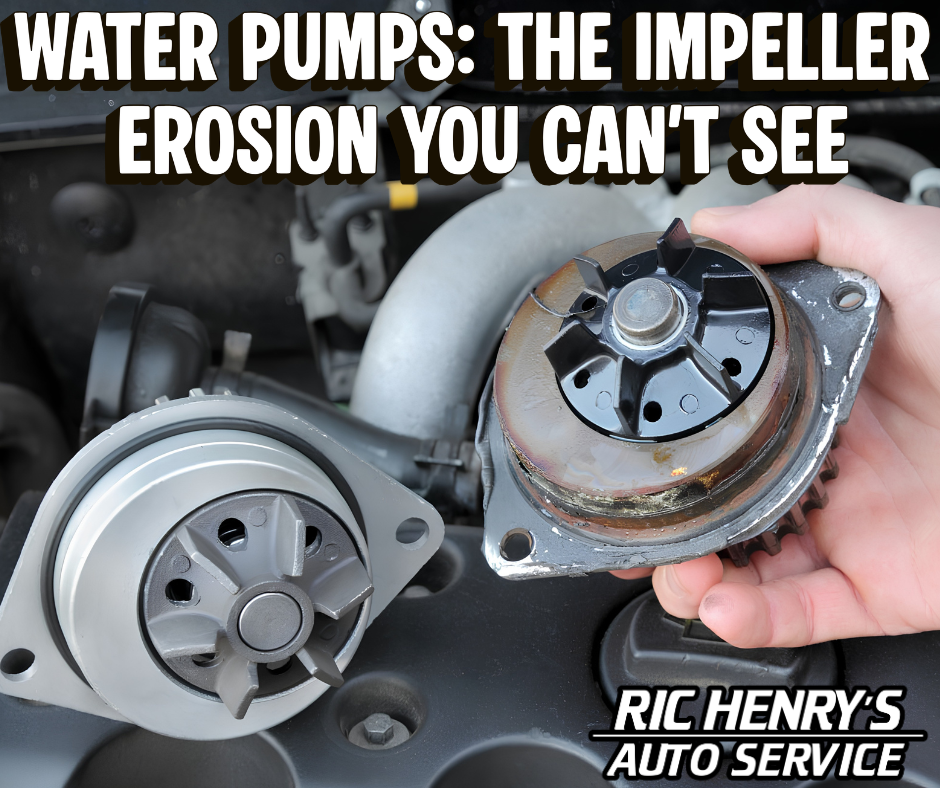
Water pump problems can hide behind impeller erosion and poor coolant circulation. Learn why San Angelo drivers trust Ric Henry's Auto Service for honest diagnostics, modern technology, and dealership-level care.

Is your modern car burning through oil? Discover the causes of excessive oil consumption in new engines and why San Angelo drivers trust Ric Henry's Auto Service, a legacy shop since 1966.

Stop asking, "Why do you need my VIN?" Learn the fascinating history of this 17-digit code, why it is critical for accurate repairs and recalls, and why we insist on it at Ric Henry's Auto Service, San Angelo's trusted dealership alternative since 1966.
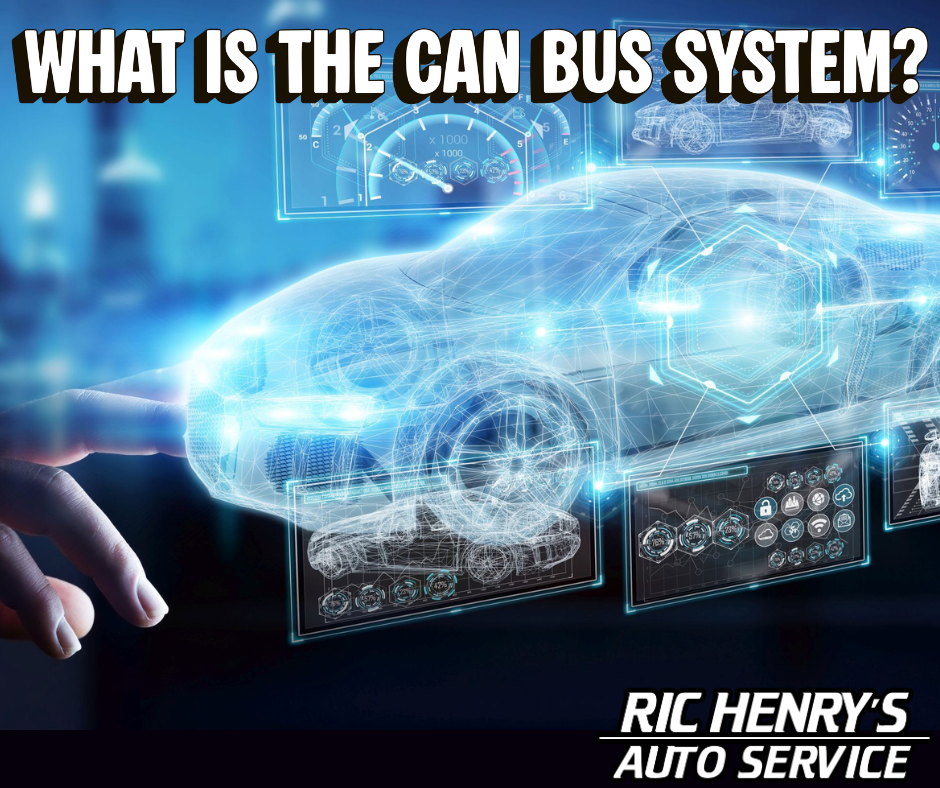
Learn what the CAN Bus system does, warning signs of failure, and why San Angelo drivers trust Ric Henry’s Auto Service for honest, dealer-level diagnostics.

Learn what valve float is, its causes and warning signs, and how Ric Henry’s Auto Service provides trusted, modern engine diagnostics and repair for San Angelo drivers.

Worried about carbon coking in your direct injection engine? Learn the causes, symptoms, prevention tips, and why Ric Henry's Auto Service in San Angelo is the trusted dealership alternative you need.

From the air-cooled VW Beetle to modern high-performance engines, the automotive world has evolved. Learn why regular coolant service is vital today and why Ric Henry's Auto Service in San Angelo is the trusted dealership alternative for generations.

Learn how dog-clutch gear engagement works, warning signs of transmission trouble.

Wondering what engine knock is and how knock sensors protect your diesel? Ric Henry's Auto Service in San Angelo explains symptoms, repairs, and why trust matters.