
Auto Start-Stop: Does It Wear Out Your Starter?
NaTasha Brand • August 19, 2025
"A well-maintained starter is like a good cowboy—always ready to ride when called upon."

If you’ve driven a newer car in San Angelo, you’ve probably experienced that moment at a red light when your engine suddenly shuts off—only to roar back to life the second you lift your foot off the brake. That’s your Auto Start-Stop system in action, and while it’s great for saving fuel, many drivers wonder: Does this thing wear out my starter faster?
What Is Auto Start-Stop?
Auto Start-Stop (or "stop-start") is a fuel-saving feature that automatically shuts off your engine when you’re idling (like at a stoplight) and restarts it when you’re ready to go. It’s common in newer vehicles, especially those focused on efficiency.
How It Works:
1. At a Stop – When you brake to a halt, sensors detect zero wheel movement, and the engine cuts off.
2. Restarting – As soon as you release the brake (or press the clutch in a manual), the system fires the engine back up in milliseconds.
3. Exceptions – If your battery is low, A/C is working hard (hello, Texas heat!), or the engine isn’t warmed up, the system may stay off.
Does It Wear Out the Starter?
This is the big question—and the answer is not really, but with an asterisk.
• Heavy-Duty Starter – Auto Start-Stop vehicles use reinforced starters designed for far more cycles than traditional ones.
• Smart Battery Management – Your car’s system monitors battery health to prevent excessive strain.
• Starter Life Expectancy – While it does cycle more often, modern starters are built to last—meaning you likely won’t see premature failure.
That said, if your starter does fail, it’s more likely due to age or electrical issues than the Start-Stop system alone.
Why Proper Maintenance Matters
Since your starter and battery work harder with Auto Start-Stop, keeping up with maintenance is key. At Ric Henry’s Auto Service, we:
• Use dealership-grade diagnostics to check your system
• Test batteries & charging systems to prevent issues
• Offer 3-year/36,000-mile warranty on all repairs
Auto Start-Stop won’t kill your starter—but neglecting maintenance might. If your car’s hesitating or struggling to restart, bring it to Ric Henry’s Auto Service, where we keep San Angelo’s rides running smoother than a fresh oil change.
Does engine braking damage your car? Discover the truth about downshifting, rev-matching, and brake fade. Trust your vehicle to Ric Henry's Auto Service in San Angelo for expert care.
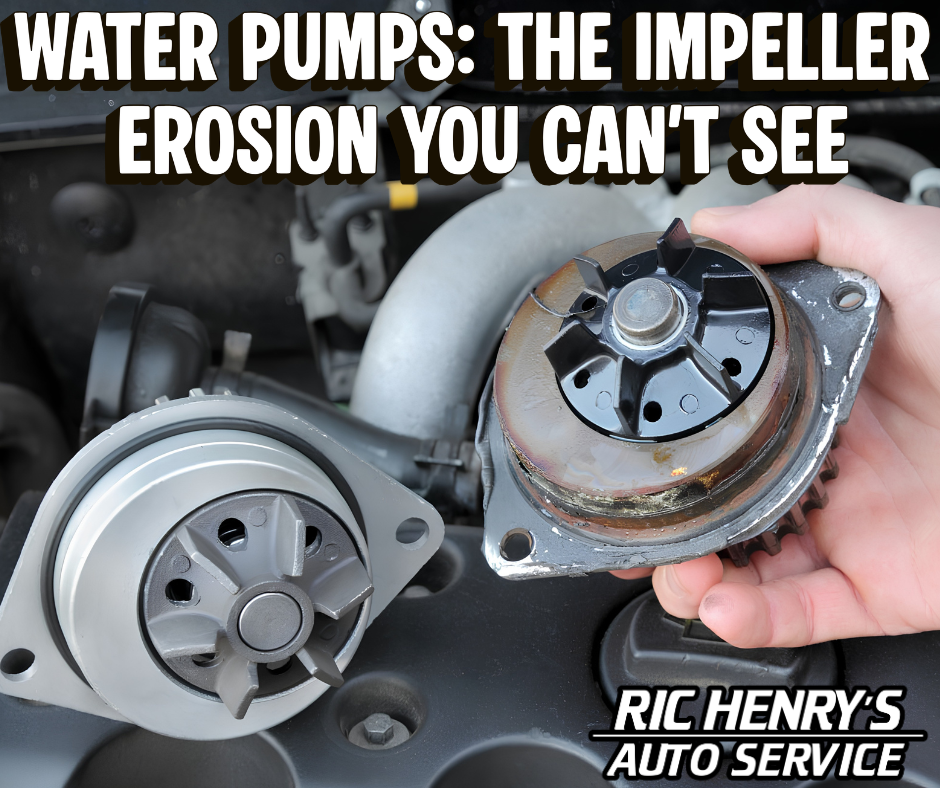
Water pump problems can hide behind impeller erosion and poor coolant circulation. Learn why San Angelo drivers trust Ric Henry's Auto Service for honest diagnostics, modern technology, and dealership-level care.
Is your modern car burning through oil? Discover the causes of excessive oil consumption in new engines and why San Angelo drivers trust Ric Henry's Auto Service, a legacy shop since 1966.

Stop asking, "Why do you need my VIN?" Learn the fascinating history of this 17-digit code, why it is critical for accurate repairs and recalls, and why we insist on it at Ric Henry's Auto Service, San Angelo's trusted dealership alternative since 1966.
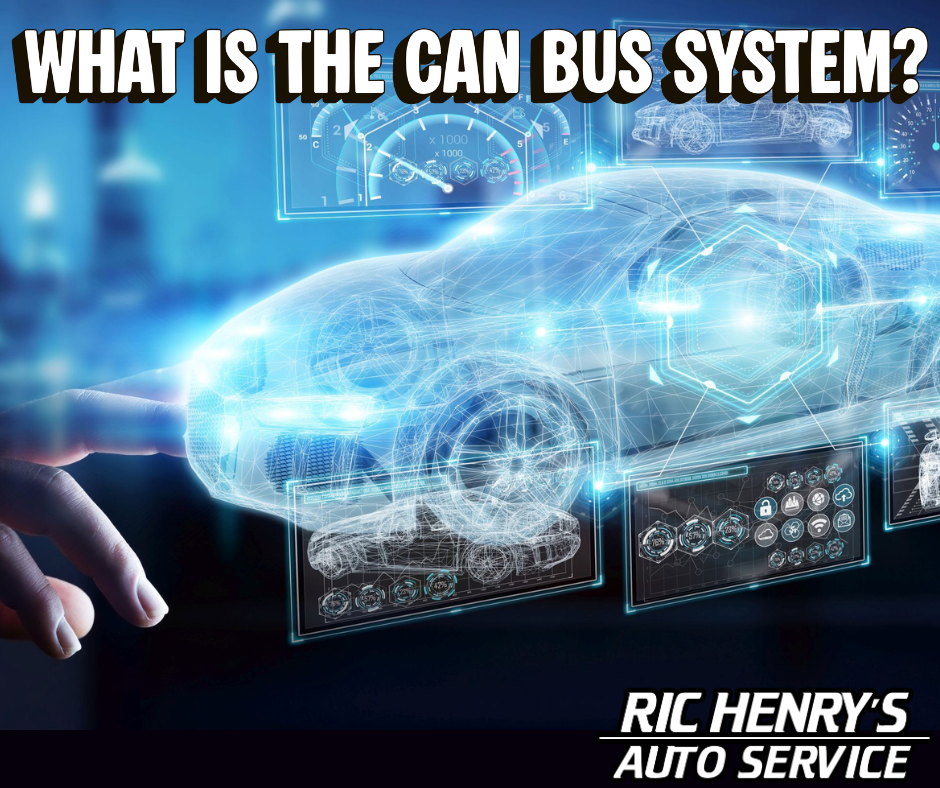
Learn what the CAN Bus system does, warning signs of failure, and why San Angelo drivers trust Ric Henry’s Auto Service for honest, dealer-level diagnostics.
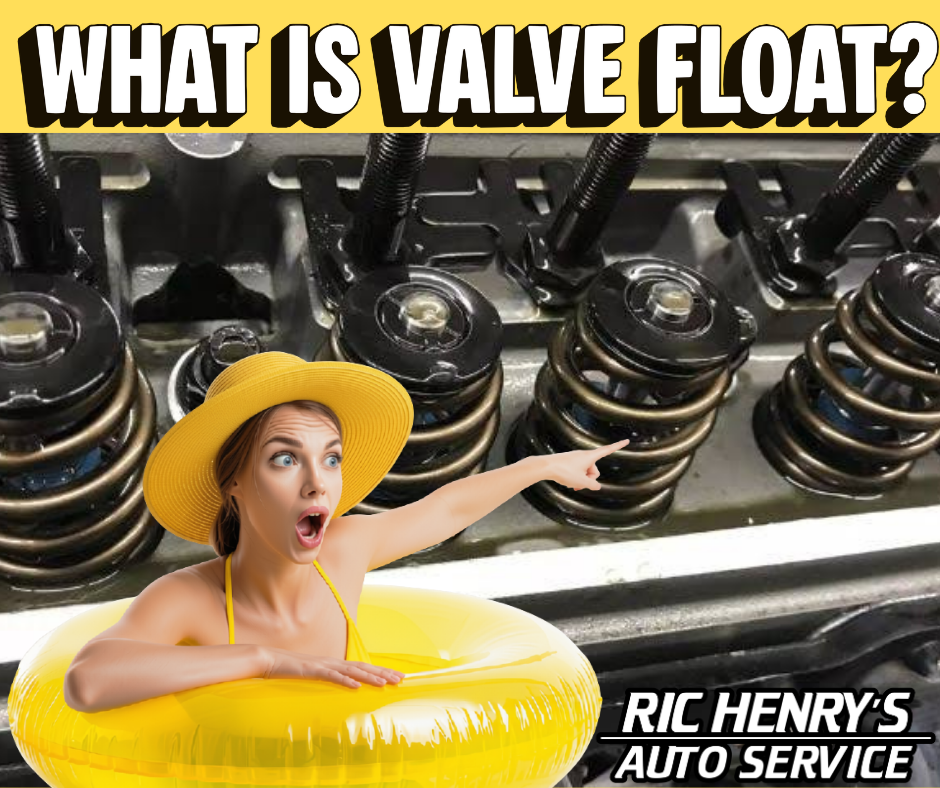
Learn what valve float is, its causes and warning signs, and how Ric Henry’s Auto Service provides trusted, modern engine diagnostics and repair for San Angelo drivers.
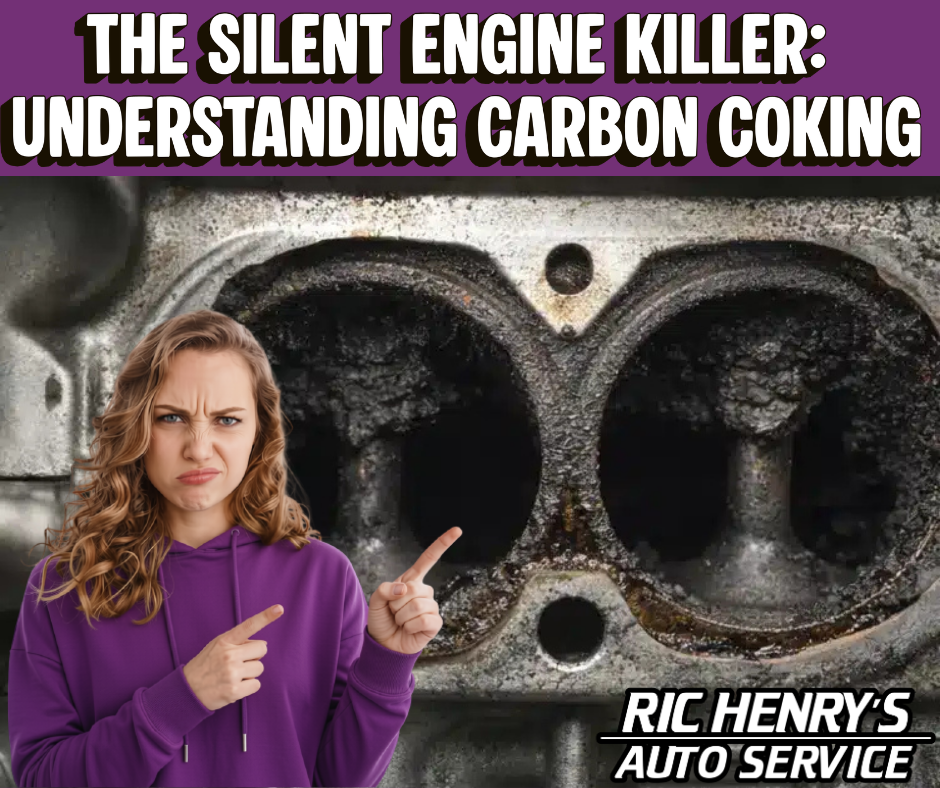
Worried about carbon coking in your direct injection engine? Learn the causes, symptoms, prevention tips, and why Ric Henry's Auto Service in San Angelo is the trusted dealership alternative you need.
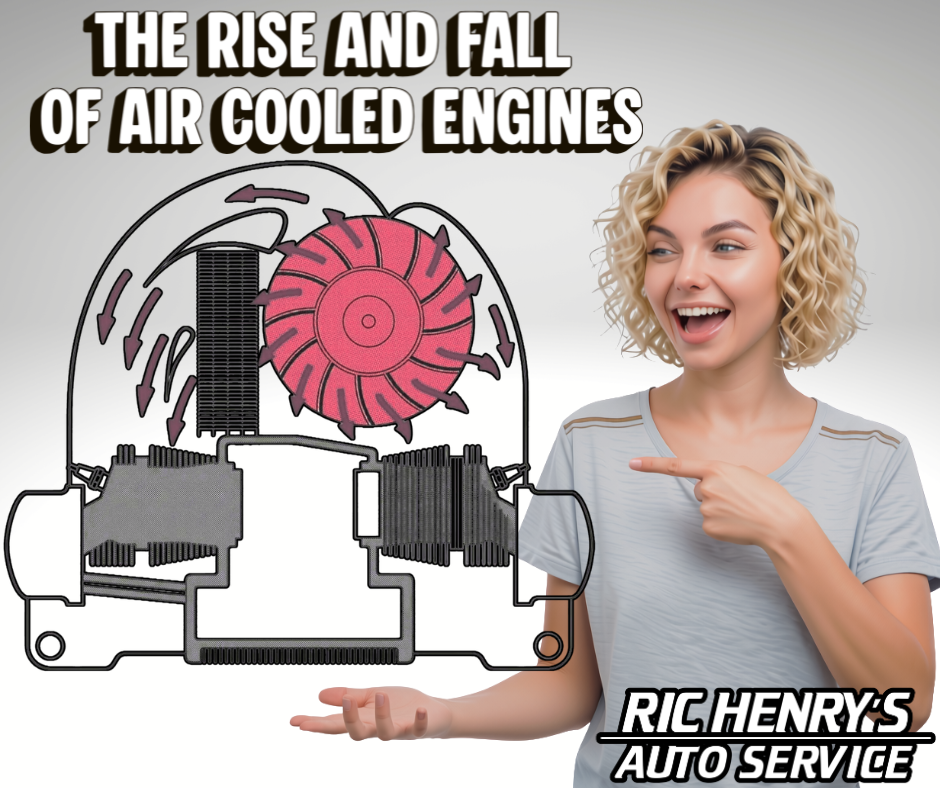
From the air-cooled VW Beetle to modern high-performance engines, the automotive world has evolved. Learn why regular coolant service is vital today and why Ric Henry's Auto Service in San Angelo is the trusted dealership alternative for generations.
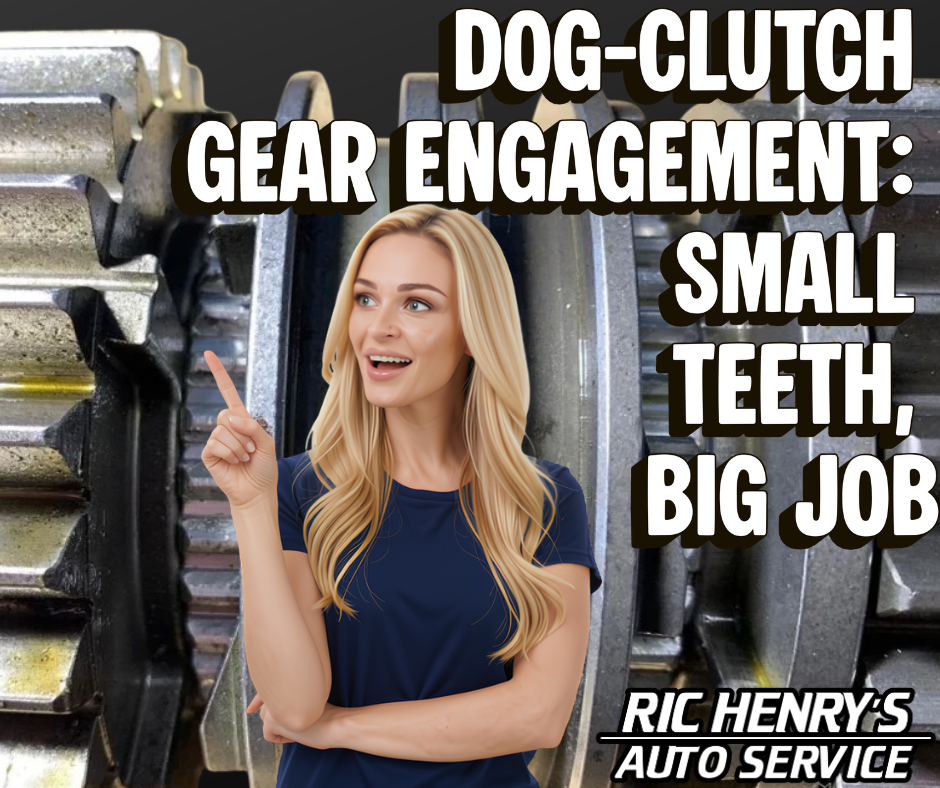
Learn how dog-clutch gear engagement works, warning signs of transmission trouble.
Wondering what engine knock is and how knock sensors protect your diesel? Ric Henry's Auto Service in San Angelo explains symptoms, repairs, and why trust matters.