
EGR Valve Problems: Symptoms, Cleaning vs. Replacement
NaTasha Brand • August 21, 2025
& Why You Shouldn't DIY This!
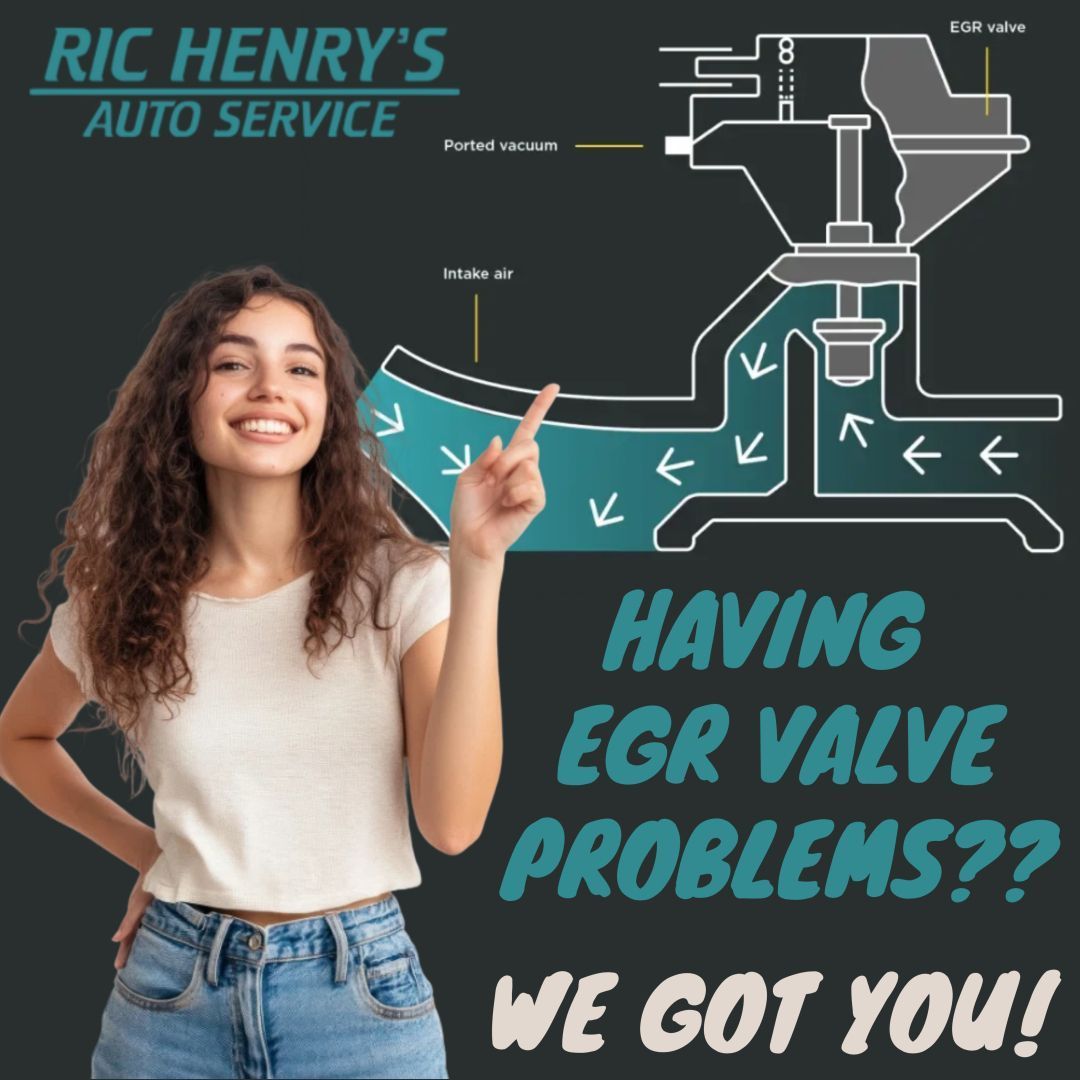
Your car’s engine is a complex beast, and the EGR valve (Exhaust Gas Recirculation) is one of those unsung heroes that keeps things running clean and efficient—until it doesn’t. When this little valve acts up, it can cause all sorts of headaches. So, let’s talk about what the EGR valve does, how to spot trouble, whether to clean or replace it, and why this isn’t a job for your average San Angelo DIY warrior.
What Does the EGR Valve Do?
The EGR valve’s job is simple but crucial: it recirculates a small amount of exhaust gas back into the engine’s combustion chambers to lower combustion temperatures. This helps:
✔ Reduce nitrogen oxide (NOx) emissions (good for the environment)
✔ Prevent engine knocking (good for performance)
✔ Improve fuel efficiency (good for your wallet)
But over time, carbon buildup can clog the valve, causing it to stick open or closed—and that’s when problems start.
Symptoms of a Bad EGR Valve
How do you know if your EGR valve is failing? Watch for these red flags:
�55357;�56628; Rough idling or stalling – If your engine stumbles at stops, the EGR might be stuck open.
�55357;�56628; Poor acceleration & reduced power – A clogged valve can choke your engine’s performance.
�55357;�56628; Increased fuel consumption – If your truck’s suddenly guzzling gas like a West Texas oil rig, the EGR could be to blame.
�55357;�56628; Check Engine Light (CEL) with EGR-related codes – P0401 (insufficient flow) or P0402 (excessive flow) are common culprits.
Cleaning vs. Replacement: What’s the Right Move?
Cleaning the EGR Valve
If the valve isn’t completely shot, a professional cleaning might do the trick. This involves:
• Removing the valve
• Soaking it in a specialized solvent
• Scrubbing away carbon deposits
• Reinstalling and testing
✅ Pros: Cheaper than replacement, works if buildup is mild.
❌ Cons: Won’t fix mechanical failure—if the valve is warped or damaged, cleaning won’t help.
Replacing the EGR Valve
Sometimes, cleaning just isn’t enough. Replacement is the way to go if:
• The valve is physically damaged
• It’s stuck permanently open/closed
• Cleaning didn’t solve the issue
✅ Pros: Fixes the problem for good.
❌ Cons: More expensive upfront (but cheaper than repeated repairs).
Why You Don’t Want to DIY This
Sure, you could grab a wrench and try cleaning the EGR valve yourself, but here’s why that’s risky:
�55357;�56615; Precision Matters – The EGR system is sensitive. Improper handling can lead to leaks or improper seating.
⚠ Carbon Buildup is Nasty – Cleaning requires strong solvents—not something you want to mess with in your driveway.
�55357;�56983; Diagnostic Tools Are Key – Without a professional scan tool, you won’t know if the issue is truly fixed.
At Ric Henry’s Auto Service, we:
✔ Use dealer-grade equipment to diagnose & repair EGR issues
✔ Offer cleaning or replacement based on your valve’s condition
✔ Back all services with a 3-year/36,000-mile warranty
A failing EGR valve can turn your smooth ride into a sputtering mess. If you’re noticing symptoms, don’t ignore them—bring your vehicle to Ric Henry’s Auto Service, where we keep San Angelo’s engines running cleaner than a desert breeze.
"A clogged EGR valve is like a cowboy with a stuffy nose—it just can’t breathe right!"
Does engine braking damage your car? Discover the truth about downshifting, rev-matching, and brake fade. Trust your vehicle to Ric Henry's Auto Service in San Angelo for expert care.
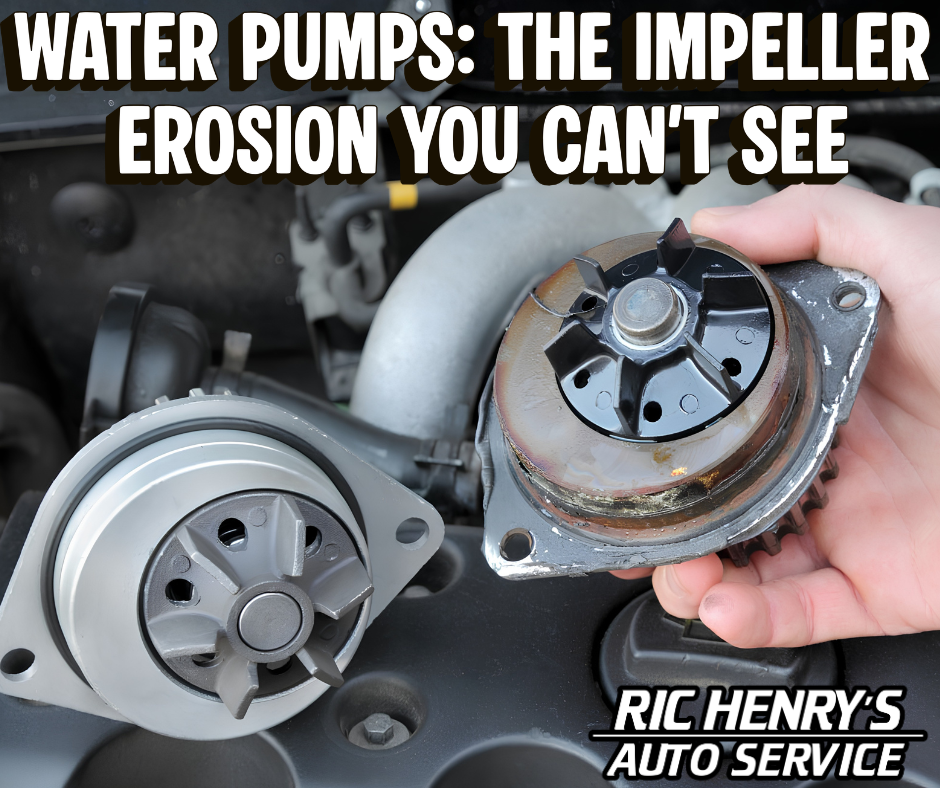
Water pump problems can hide behind impeller erosion and poor coolant circulation. Learn why San Angelo drivers trust Ric Henry's Auto Service for honest diagnostics, modern technology, and dealership-level care.

Is your modern car burning through oil? Discover the causes of excessive oil consumption in new engines and why San Angelo drivers trust Ric Henry's Auto Service, a legacy shop since 1966.

Stop asking, "Why do you need my VIN?" Learn the fascinating history of this 17-digit code, why it is critical for accurate repairs and recalls, and why we insist on it at Ric Henry's Auto Service, San Angelo's trusted dealership alternative since 1966.
Learn what the CAN Bus system does, warning signs of failure, and why San Angelo drivers trust Ric Henry’s Auto Service for honest, dealer-level diagnostics.
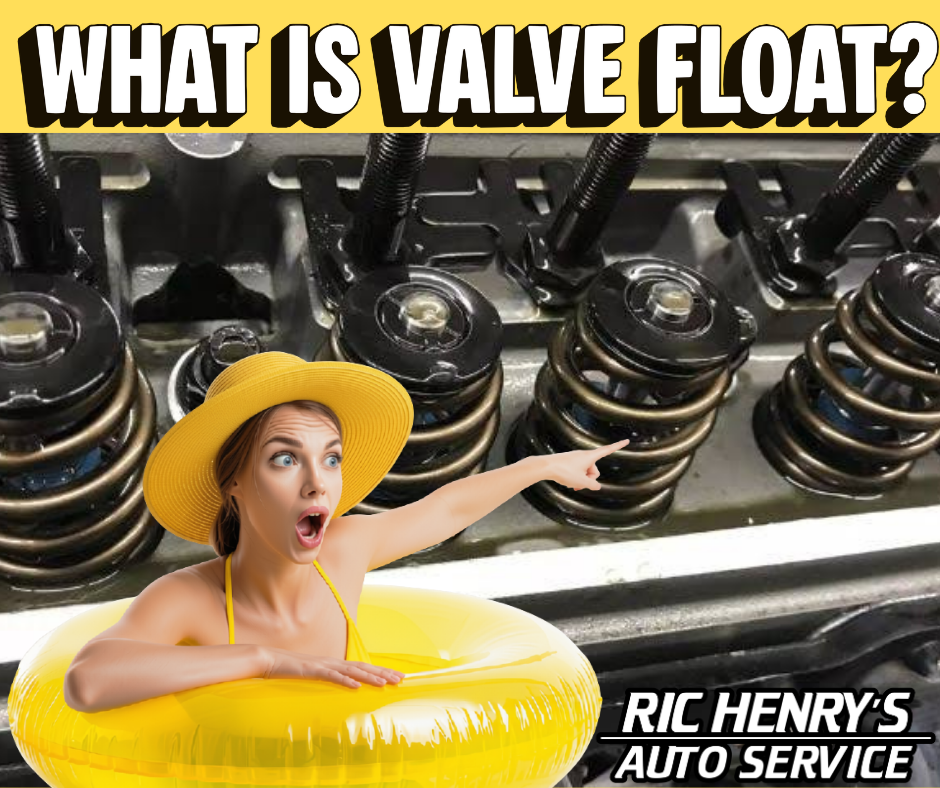
Learn what valve float is, its causes and warning signs, and how Ric Henry’s Auto Service provides trusted, modern engine diagnostics and repair for San Angelo drivers.
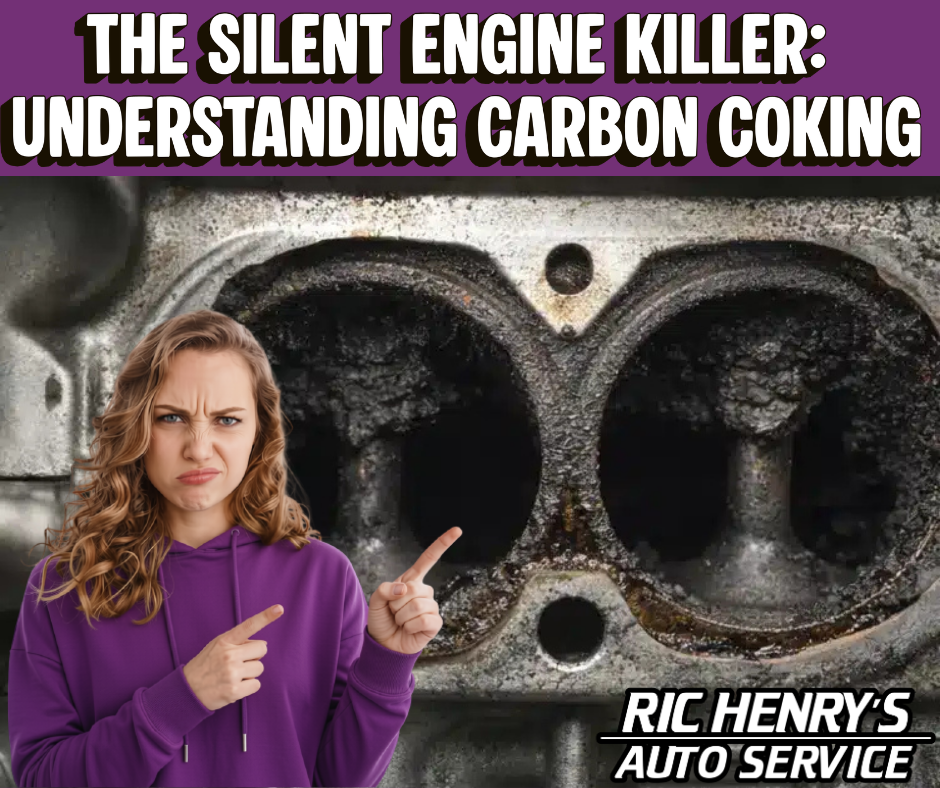
Worried about carbon coking in your direct injection engine? Learn the causes, symptoms, prevention tips, and why Ric Henry's Auto Service in San Angelo is the trusted dealership alternative you need.
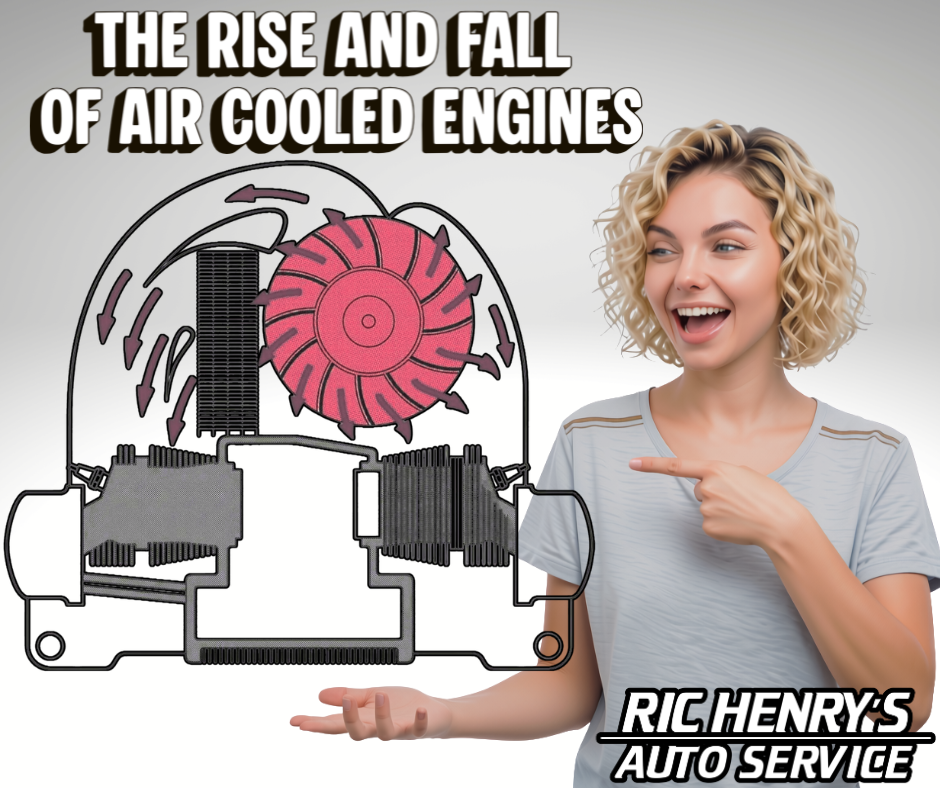
From the air-cooled VW Beetle to modern high-performance engines, the automotive world has evolved. Learn why regular coolant service is vital today and why Ric Henry's Auto Service in San Angelo is the trusted dealership alternative for generations.

Learn how dog-clutch gear engagement works, warning signs of transmission trouble.

Wondering what engine knock is and how knock sensors protect your diesel? Ric Henry's Auto Service in San Angelo explains symptoms, repairs, and why trust matters.