
Sport Mode Explained
NaTasha Brand • September 9, 2025
What That "S" on Your Shifter Really Does
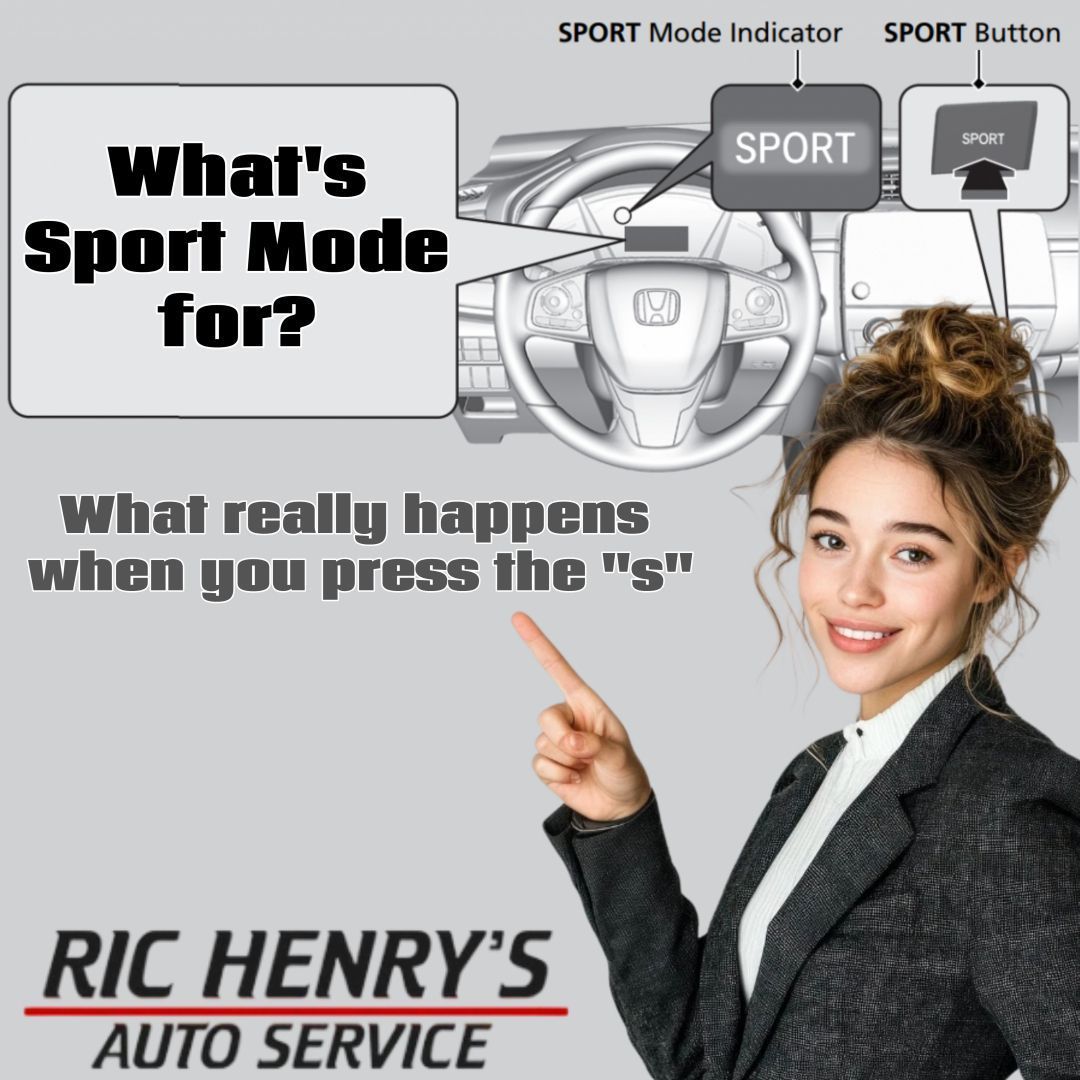
You've seen the button. Maybe it's on your console, near the shifter, or on the steering wheel. It's often marked by a simple, enticing "S" or the word "Sport." It beckons you to press it, promising a more thrilling drive. But what actually happens when you answer the call? Is it just a placebo effect that makes your morning commute feel like a lap at Circuit of the Americas, or is there real engineering at play?
For drivers in San Angelo, where a quick merge onto a bustling US-87 or a confident pass on a two-lane farm road can be part of the daily drive, understanding Sport Mode is key to unlocking your vehicle's potential—safely and smartly.
At Ric Henry's Auto Service, we're all about helping you understand and get the most out of your vehicle. So, let's pop the hood on this popular feature and see what makes it tick.
What Happens When You Press "S"? The Mechanical Magic Show
Pressing that button isn't just turning on a light; it's telling your car's computer to completely change its personality. Here’s the transformation that occurs:
- Transmission Shifting (The Big One): This is the most noticeable change. Your transmission will hold gears longer before upshifting. It will also downshift more readily and aggressively when you press the accelerator. This keeps the engine higher in its power band (the RPM range where it makes the most horsepower and torque), ready to rocket you forward on demand. It essentially makes your automatic transmission behave more like a manual.
- Throttle Response: In normal "Drive" mode, your electronic throttle can be lazy. You might press the pedal halfway to get 30% power. Sport Mode sharpens this response significantly. A half-press might now get you 70% power, making the car feel instantly more alert and eager.
- Steering Feel: In many vehicles, Sport Mode increases the effort or weight of the steering. This reduces the light, numb feeling at higher speeds and provides more feedback from the road, giving you a greater sense of control and connection to the asphalt.
- Suspension & Drivetrain (In Higher-Performance Cars): On vehicles equipped with adaptive suspensions, Sport Mode will often stiffen the dampers to reduce body roll in corners and improve handling. In some all-wheel-drive systems, it can send more power to the rear wheels for a sportier, rear-driven feel.
- When Should You Use Sport Mode? The San Angelo Scenarios
- Sport Mode isn't meant for a trip to the H-E+B parking lot. It's a tool, and like any good tool, it has a specific job. Here’s when to engage it:
- Merging & Passing: Need to confidently merge onto the I-20 or make a quick, safe pass on a country road? Sport Mode provides the immediate power and downshifting you need without the sluggish delay.
- Twisty Roads: Heading out toward the Hill Country? Sport Mode's improved throttle response and tighter steering make driving on curvy roads more engaging and controlled.
- Towing: If you're towing a small trailer or have a heavy load in the bed, Sport Mode can help by preventing the transmission from "hunting" for gears on inclines and providing more immediate power.
- Just for Fun: Let's be honest. Sometimes, you just want to enjoy the machine you're driving. Engaging Sport Mode on a clear, open road is a perfectly valid way to put a smile on your face.
The Pros and Cons: The Yin and Yang of "S"
The Pros:
- Increased Performance & Control: It makes your vehicle more responsive and engaging to drive.
- Enhanced Safety for Maneuvers: The instant power can be crucial for safe passing and merging.
- Driver Engagement: It transforms a mundane commute into a more connected driving experience.
- Reduced Fuel Economy: This is the big trade-off. Holding gears at higher RPMs burns significantly more fuel. This is a "fun tax," not an eco-mode.
- Increased Wear and Tear: While modern engines are built to handle it, consistently driving at high RPMs puts more stress on the engine, transmission, and brakes.
- Harsher Ride: The stiffer suspension and lower gears can make the ride less comfortable over rough San Angelo roads.
Why Understanding Your Car Matters at Ric Henry's Auto Service
At Ric Henry's Auto Service, we believe that an informed driver is a satisfied driver. Whether you're a Sport Mode enthusiast or a dedicated "D" driver, proper maintenance is what keeps these complex systems running smoothly.
Our experienced technicians are equipped with the same advanced tools and equipment that dealerships use to diagnose everything from transmission hiccups to electronic throttle issues. And no matter what mode you drive in, every service we perform is backed by our 3-year/36,000-mile nationwide warranty for your peace of mind.
So go ahead, press the button. Have some fun. Just remember: with great power comes greater responsibility... to get your oil changed on time.
Does engine braking damage your car? Discover the truth about downshifting, rev-matching, and brake fade. Trust your vehicle to Ric Henry's Auto Service in San Angelo for expert care.
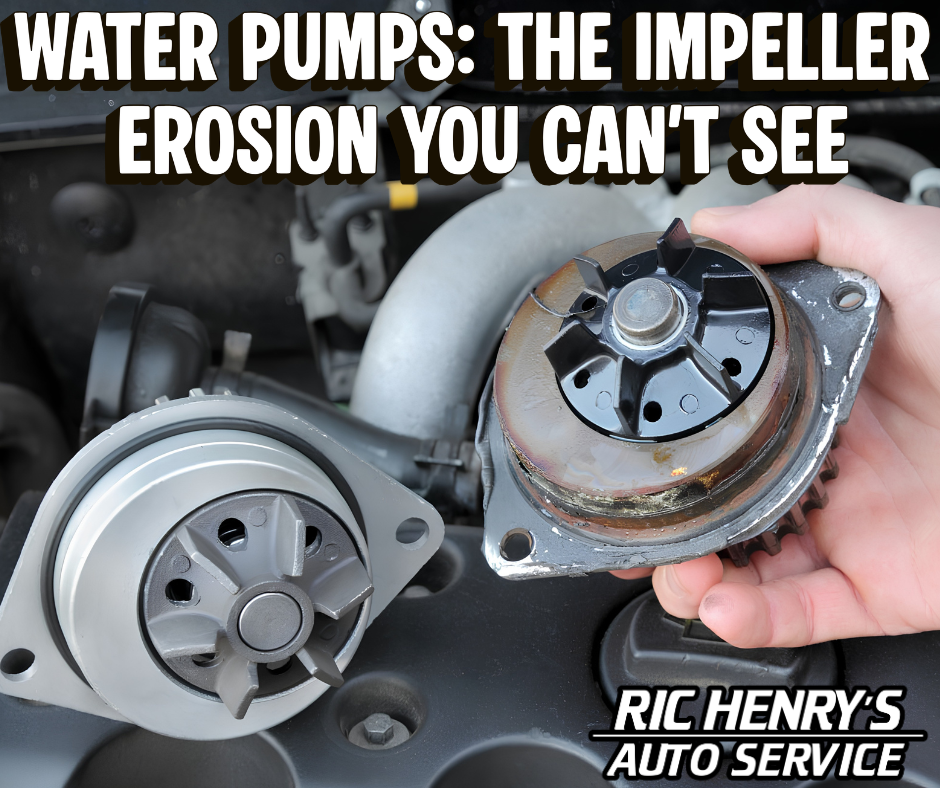
Water pump problems can hide behind impeller erosion and poor coolant circulation. Learn why San Angelo drivers trust Ric Henry's Auto Service for honest diagnostics, modern technology, and dealership-level care.
Is your modern car burning through oil? Discover the causes of excessive oil consumption in new engines and why San Angelo drivers trust Ric Henry's Auto Service, a legacy shop since 1966.
Stop asking, "Why do you need my VIN?" Learn the fascinating history of this 17-digit code, why it is critical for accurate repairs and recalls, and why we insist on it at Ric Henry's Auto Service, San Angelo's trusted dealership alternative since 1966.
Learn what the CAN Bus system does, warning signs of failure, and why San Angelo drivers trust Ric Henry’s Auto Service for honest, dealer-level diagnostics.
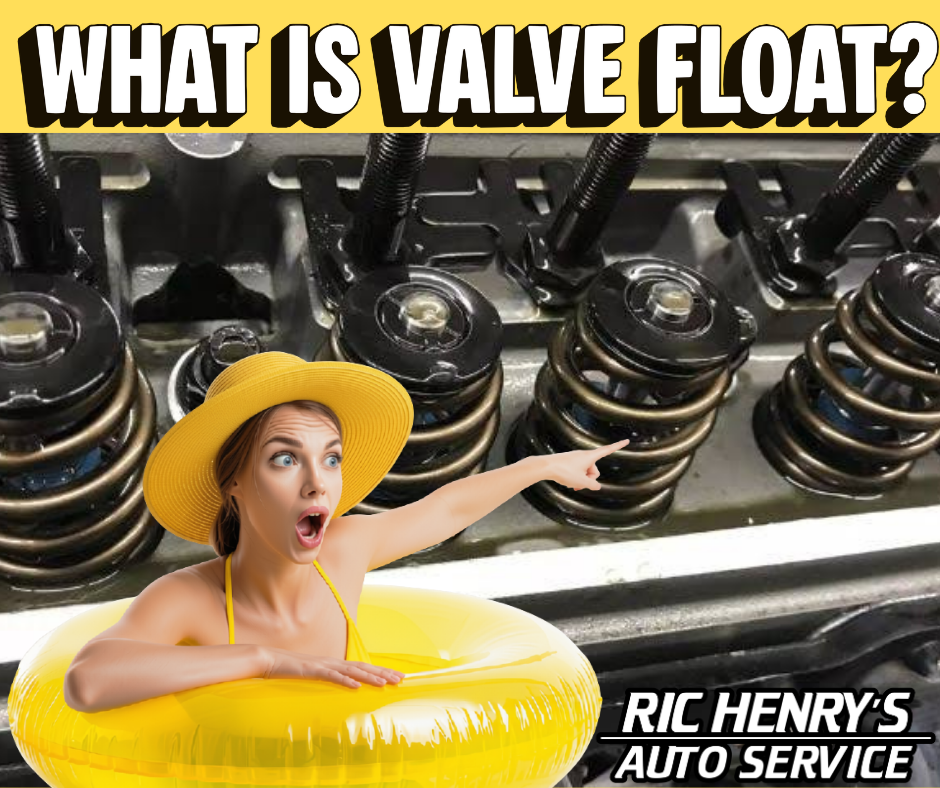
Learn what valve float is, its causes and warning signs, and how Ric Henry’s Auto Service provides trusted, modern engine diagnostics and repair for San Angelo drivers.
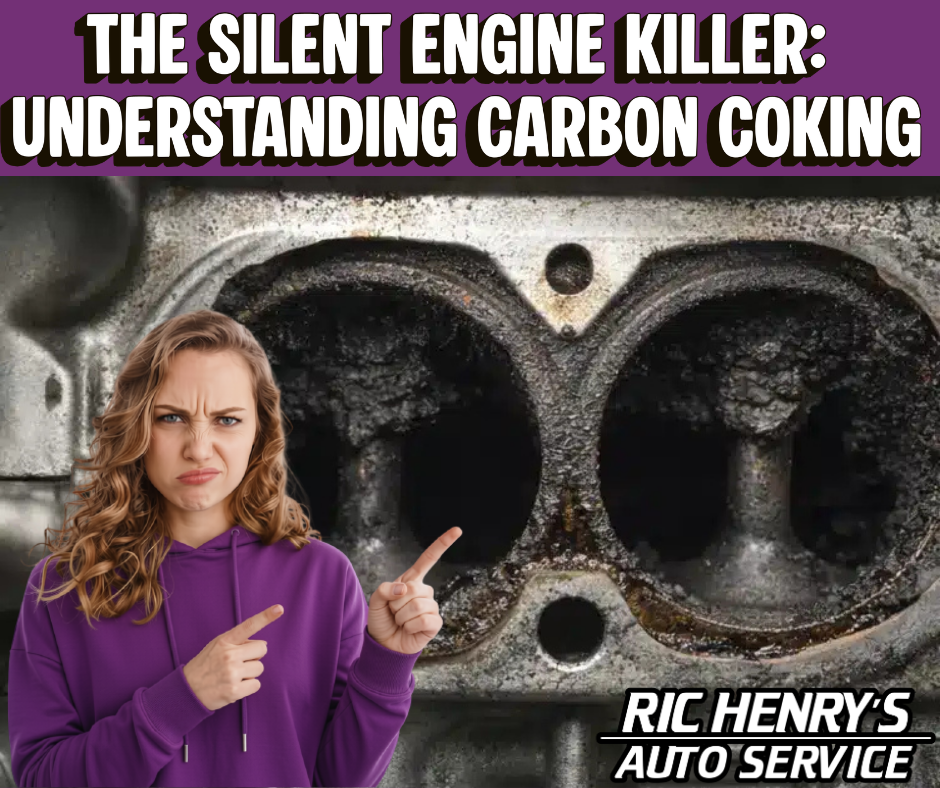
Worried about carbon coking in your direct injection engine? Learn the causes, symptoms, prevention tips, and why Ric Henry's Auto Service in San Angelo is the trusted dealership alternative you need.
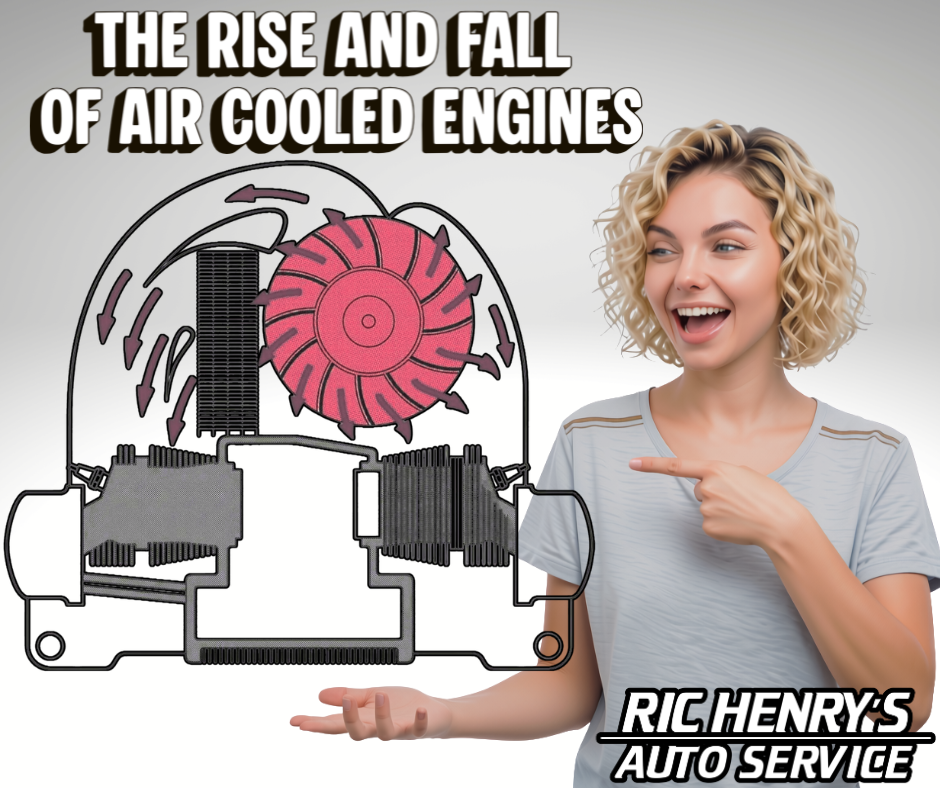
From the air-cooled VW Beetle to modern high-performance engines, the automotive world has evolved. Learn why regular coolant service is vital today and why Ric Henry's Auto Service in San Angelo is the trusted dealership alternative for generations.
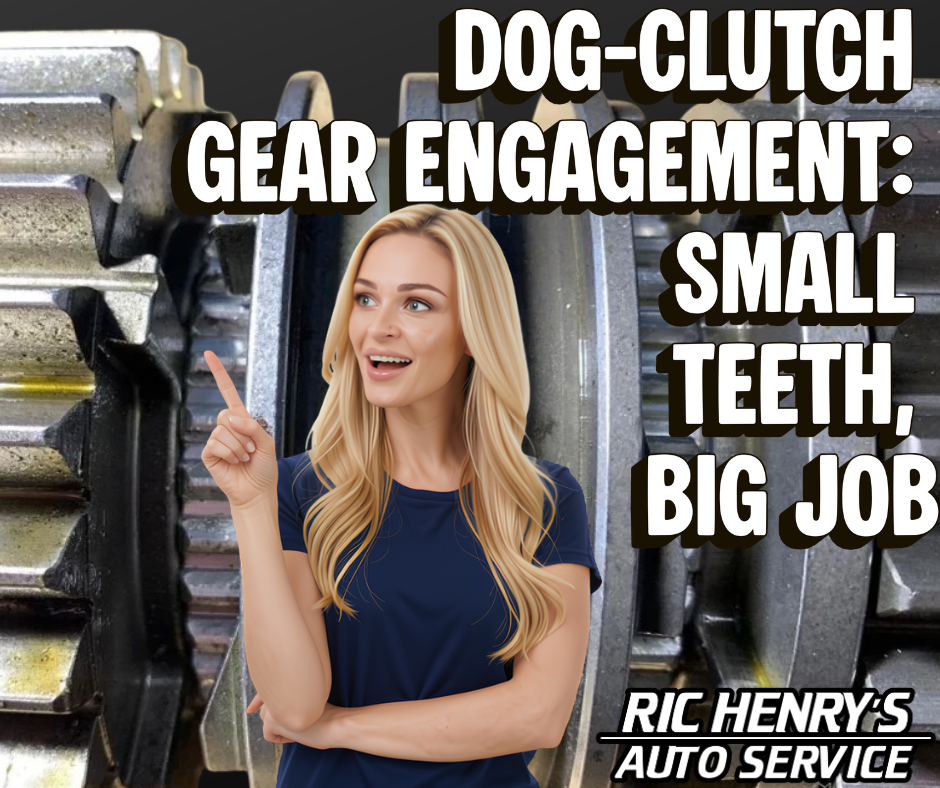
Learn how dog-clutch gear engagement works, warning signs of transmission trouble.
Wondering what engine knock is and how knock sensors protect your diesel? Ric Henry's Auto Service in San Angelo explains symptoms, repairs, and why trust matters.