
Head Gasket Failure:
NaTasha Brand • August 26, 2025
Causes, Symptoms & Why You Definitely Don’t Wanna DIY This Fix
If you're cruising down Sherwood Way in San Angelo, windows down, enjoying some good ol’ Texas sunshine, the last thing you want is your engine temp needle slowly creeping toward the red zone. That, my friend, might be the beginning of a tragic tale called head gasket failure—a story as old as internal combustion engines themselves.
Now, before you pop the hood and grab your toolbox with the confidence of a YouTube-certified mechanic, let’s dive into why this repair is absolutely not your next weekend DIY project.
�55357;�56983; What Even Is a Head Gasket, Anyway?
The head gasket is a thin seal sandwiched between the engine block and the cylinder head. It's a mighty little hero that keeps coolant, oil, and compression all in their designated zones. When it fails, those fluids mix like a bad cocktail—resulting in engine performance that’s more hangover than horsepower.
�55357;�57041; Head Gasket Failure Causes:
- Overheating – Our lovely San Angelo summers can push your engine temps sky-high. Run too hot for too long, and your gasket’s gonna tap out.
- Detonation – Premature combustion doesn’t just sound bad—it hits like a wrecking ball.
- Poor Maintenance – Neglecting coolant flushes or ignoring small leaks is like ignoring a leak on a boat. You’re going to get wet... or worse.
⚠️ Symptoms of Head Gasket Failure:
- White smoke from the tailpipe (aka your car vaping too hard)
- Milky-looking oil (chocolate milk, but gross and expensive)
- Loss of engine power
- Bubbling coolant reservoir
- Overheating (again and again…)
If you’re noticing any of these signs while rolling through San Angelo or heading out to Lake Nasworthy, don’t Google “how to fix a head gasket” — call a pro.
�55358;�56816; Why DIY is a Terrible Idea (Seriously, Don’t Do It)
Replacing a head gasket isn’t like changing your oil or swapping out a battery. It involves:
- Removing most of your engine
- Knowing your torque specs down to the decimal
- Having precision tools (not just a ratchet set from the clearance bin)
- Diagnosing correctly (because misdiagnosing means wasted $$$)
Botch this repair, and you’re not just out the cost of a gasket—you’re looking at a warped head, cracked block, or a one-way ticket to engine replacement town.
�55357;�56615; Trust Ric Henry’s Auto Service in San Angelo
At Ric Henry’s Auto Service, we don’t just fix cars—we resurrect them. Whether it's a minor leak or a major engine overhaul, our experienced technicians use dealership-grade tools and equipment to get the job done right.
Here’s what we bring to the table:
- Comprehensive auto repair & maintenance
- 3-year / 36,000-mile warranty on all services
- Expertise in diagnosing head gasket issues (without guessing)
- Transparent communication—we’ll walk you through every step
Why risk a wrench-induced breakdown when you can have certified pros do it for you?
Unless your idea of a fun weekend involves pulling your engine apart in 100-degree heat, leave the head gasket jobs to the pros at Ric Henry’s. We’ll get your ride running smoother than a brisket at a family BBQ.
Does engine braking damage your car? Discover the truth about downshifting, rev-matching, and brake fade. Trust your vehicle to Ric Henry's Auto Service in San Angelo for expert care.
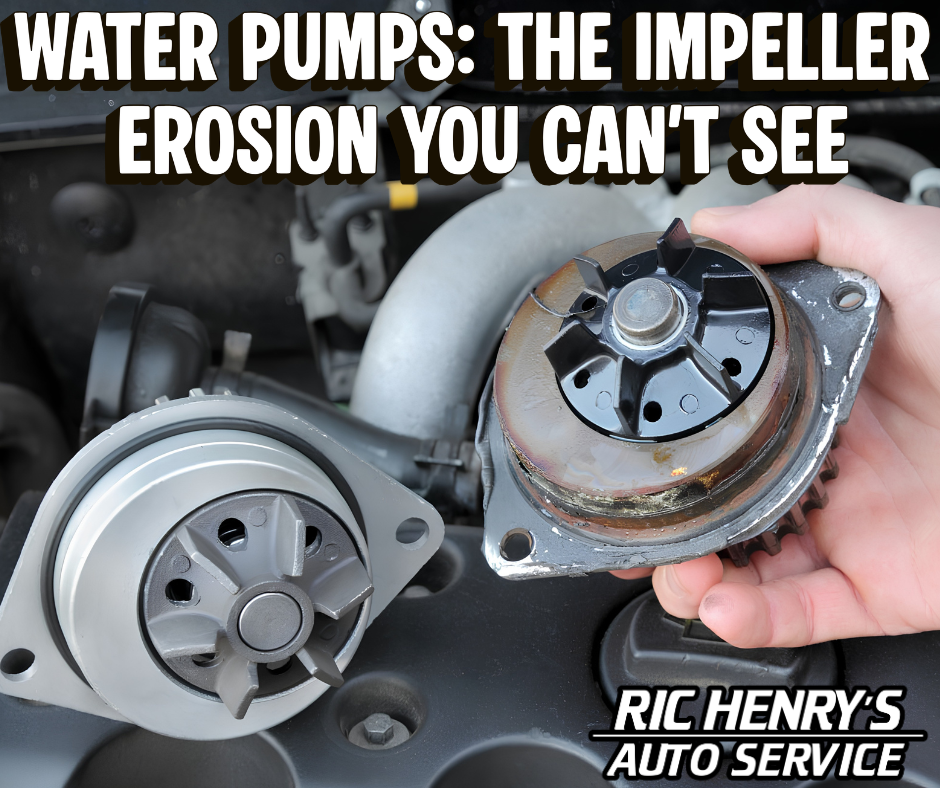
Water pump problems can hide behind impeller erosion and poor coolant circulation. Learn why San Angelo drivers trust Ric Henry's Auto Service for honest diagnostics, modern technology, and dealership-level care.

Is your modern car burning through oil? Discover the causes of excessive oil consumption in new engines and why San Angelo drivers trust Ric Henry's Auto Service, a legacy shop since 1966.

Stop asking, "Why do you need my VIN?" Learn the fascinating history of this 17-digit code, why it is critical for accurate repairs and recalls, and why we insist on it at Ric Henry's Auto Service, San Angelo's trusted dealership alternative since 1966.
Learn what the CAN Bus system does, warning signs of failure, and why San Angelo drivers trust Ric Henry’s Auto Service for honest, dealer-level diagnostics.
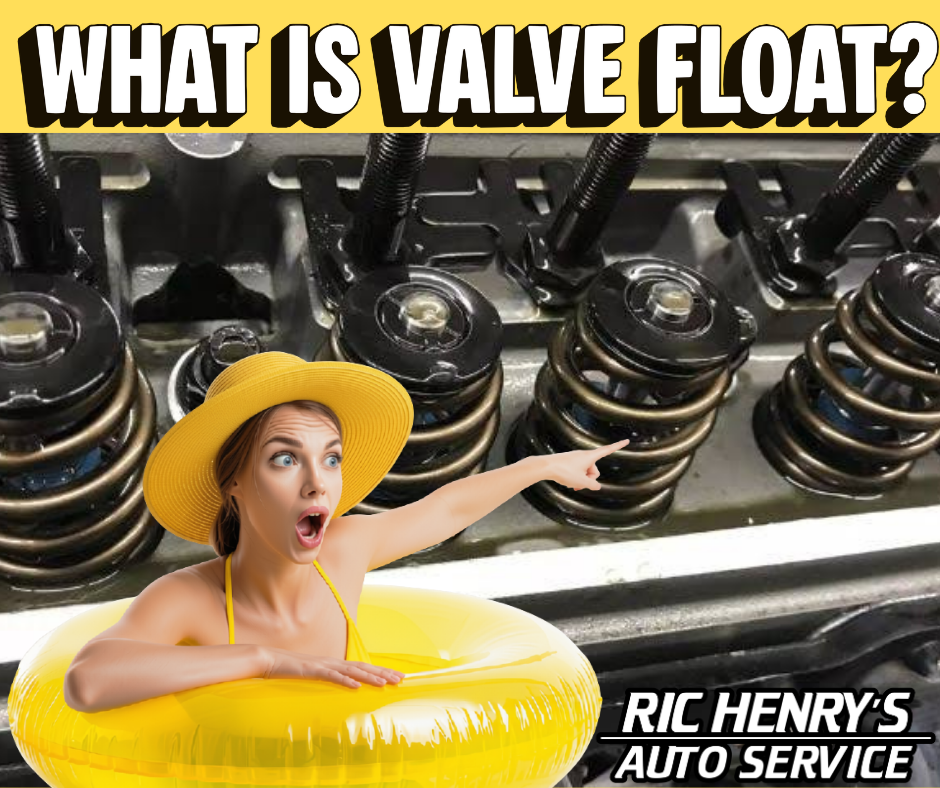
Learn what valve float is, its causes and warning signs, and how Ric Henry’s Auto Service provides trusted, modern engine diagnostics and repair for San Angelo drivers.
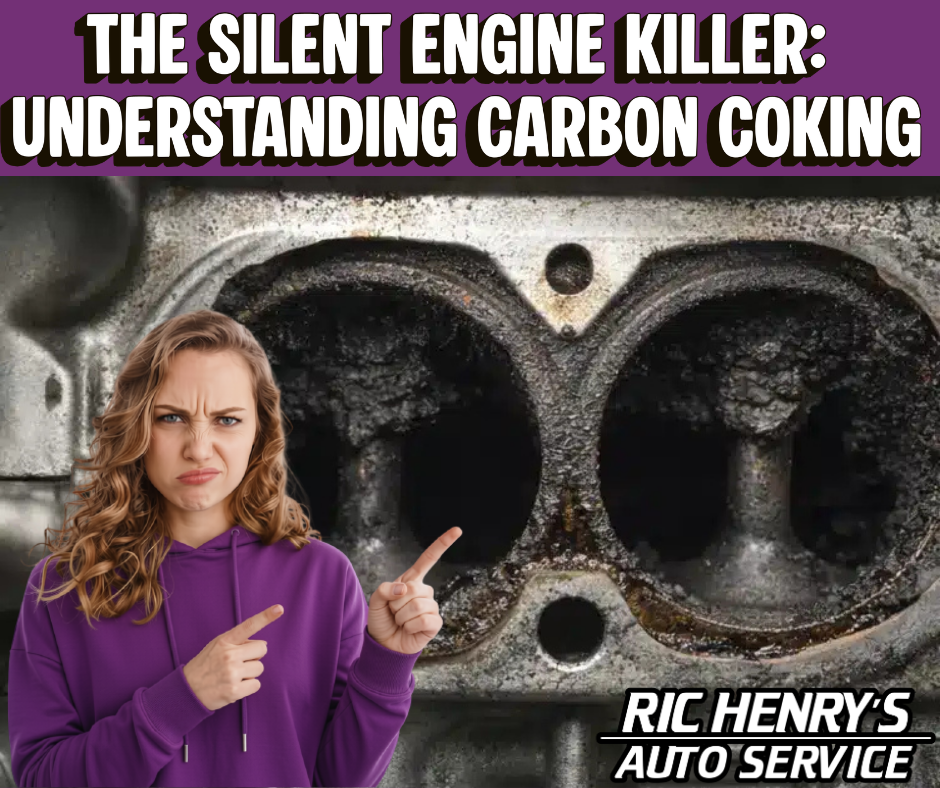
Worried about carbon coking in your direct injection engine? Learn the causes, symptoms, prevention tips, and why Ric Henry's Auto Service in San Angelo is the trusted dealership alternative you need.
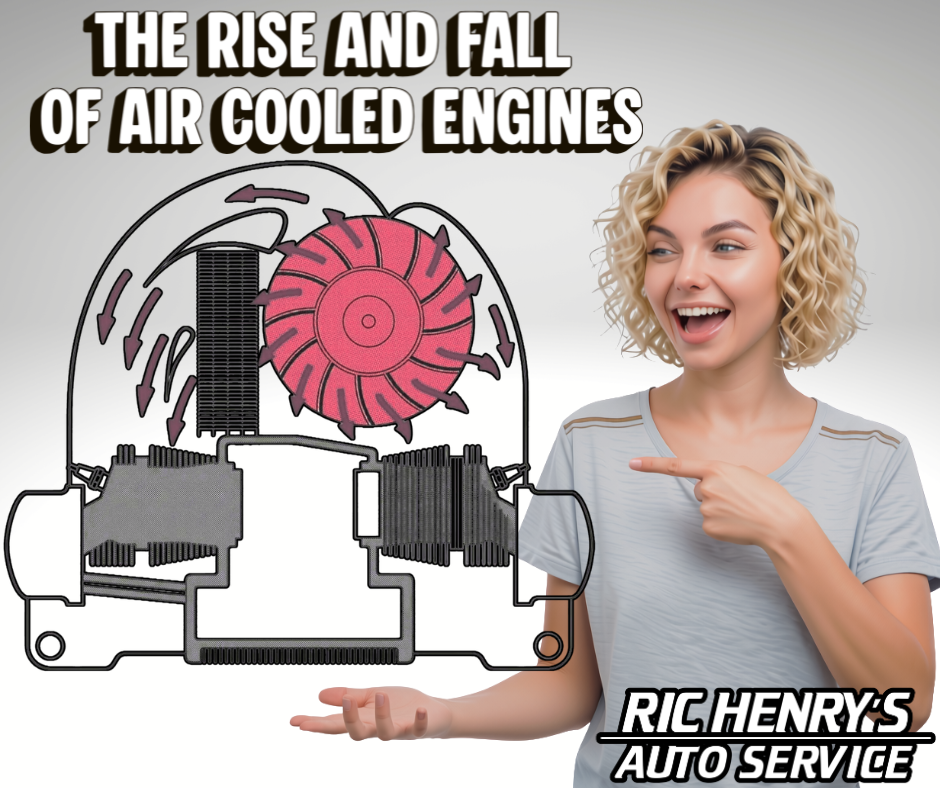
From the air-cooled VW Beetle to modern high-performance engines, the automotive world has evolved. Learn why regular coolant service is vital today and why Ric Henry's Auto Service in San Angelo is the trusted dealership alternative for generations.

Learn how dog-clutch gear engagement works, warning signs of transmission trouble.

Wondering what engine knock is and how knock sensors protect your diesel? Ric Henry's Auto Service in San Angelo explains symptoms, repairs, and why trust matters.