
How to Tell If Your Shocks Are Worn Out
NaTasha Brand • June 4, 2025
The Road Signs Your Ride Is Giving You
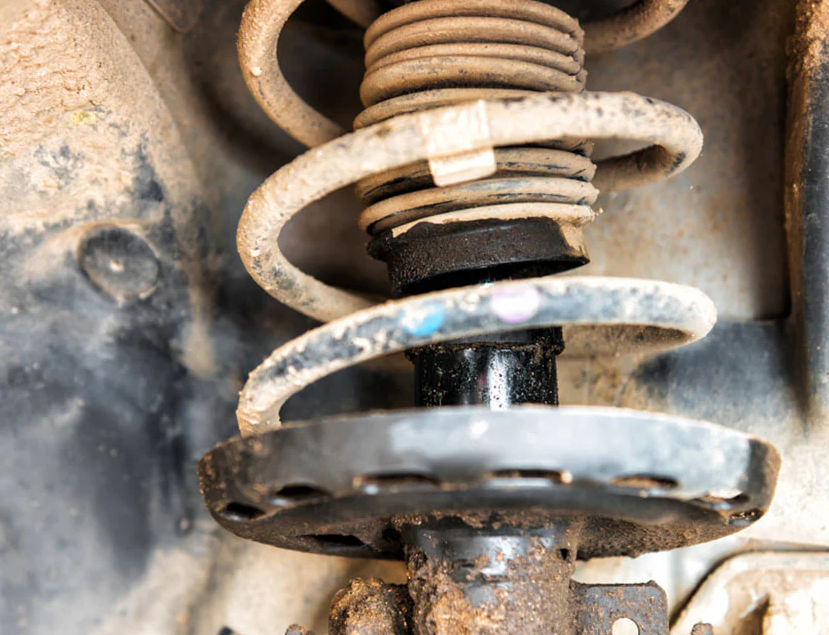
You know that feeling when your car starts to ride like a rowboat on a stormy sea? That jarring bounce over every pothole, the excessive lean into corners, or the uncomfortable nose-dive every time you hit the brakes?
Those could be the early warning signs your shocks are waving at you—if only you knew how to read them.
At Ric Henry's Auto Service, we’re here to help you decode your car’s suspension system before it turns your daily drive into a carnival ride. Let’s break down how to tell if your shocks are worn out—and what you can do about it.
What Do Shocks Actually Do?
Shock absorbers (or “shocks”) are part of your suspension system and have one job: to keep your tires on the road. While springs support the weight of the car and absorb impacts, shocks control the bounce, ensuring your tires stay in contact with the pavement.
Worn shocks don’t just make for a bumpy ride—they compromise braking, handling, and tire wear. Ignoring the symptoms can lead to larger problems (and pricier repairs).
Top Signs Your Shocks Are Worn Out
1. Your Ride Is Excessively Bouncy
If your car continues to bounce after hitting a bump, your shocks may not be absorbing the rebound effectively. A well-functioning suspension settles quickly.
2. You Feel Like You're Nosediving During Braking
When your front end dips dramatically under braking, it’s a sign your front shocks are losing their resistance. This not only affects comfort—it can extend your stopping distance.
3. Uneven Tire Wear
Worn shocks let your tires bounce and lose contact with the road, causing patchy or cupped tread wear. That’s money rolling right off your tires.
4. You Hear Clunking or Knocking Sounds
Worn shocks can make metal-on-metal contact, especially when bushings or mounts are also deteriorating. If your car's making sounds like it’s haunted, let us take a look.
5. Visible Leaks on the Shock Body
If there’s oil leaking down the side of the shock absorber, that’s a sure sign the internal seals are done. No oil = no damping = no bueno.
6. Poor Handling in Wind or Turns
Feeling like you're fighting the steering wheel when there's wind, or tipping into corners like a sailboat? Your shocks are likely the culprits.
How Often Should Shocks Be Replaced?
Most shocks are good for around 50,000 to 100,000 miles, depending on your driving conditions and vehicle type. If you're frequently on rough roads, hauling loads, or towing, expect to be at the lower end of that range.
Leave It to the Pros at Ric Henry’s Auto Service
At Ric Henry's Auto Service, we offer comprehensive auto repair services. Whether it's a subtle suspension issue or a full-blown shock replacement, our experienced technicians have the expertise to get your vehicle back on the road safely.
We use the same diagnostic tools and equipment as dealerships—without the dealership price tag. From routine maintenance to major repairs, our crew can handle it all. Plus, every service we provide is backed by a nationwide 3-year/36,000-mile warranty, so you’re covered no matter where the road takes you.
Don't wait for your car to turn into a bucking bronco—bring it in and let us take the guesswork (and the bounce) out of the ride. Bad shocks can make your daily commute feel like an off-road adventure. Fun in a Jeep? Sure. In your sedan? Not so much. Trust your suspension to the pros—because your coffee deserves to stay in the cup.

Wondering why your European car has such frequent service intervals? Ric Henry's Auto Service in San Angelo explains the engineering behind the schedule and why trusting a modern, experienced shop matters.

Carbon cleaning is not optional on direct-injection European cars.

Is your car in Limp Mode? Learn why your vehicle limits power to protect the engine and why you should trust Ric Henry's Auto Service in San Angelo for honest diagnostics and dealer-level care.

Unlock the mystery of DEF fluid and Selective Catalytic Reduction. Learn why your diesel drinks it and why Ric Henry's Auto Service is San Angelo's trusted dealership alternative for expert diesel care.
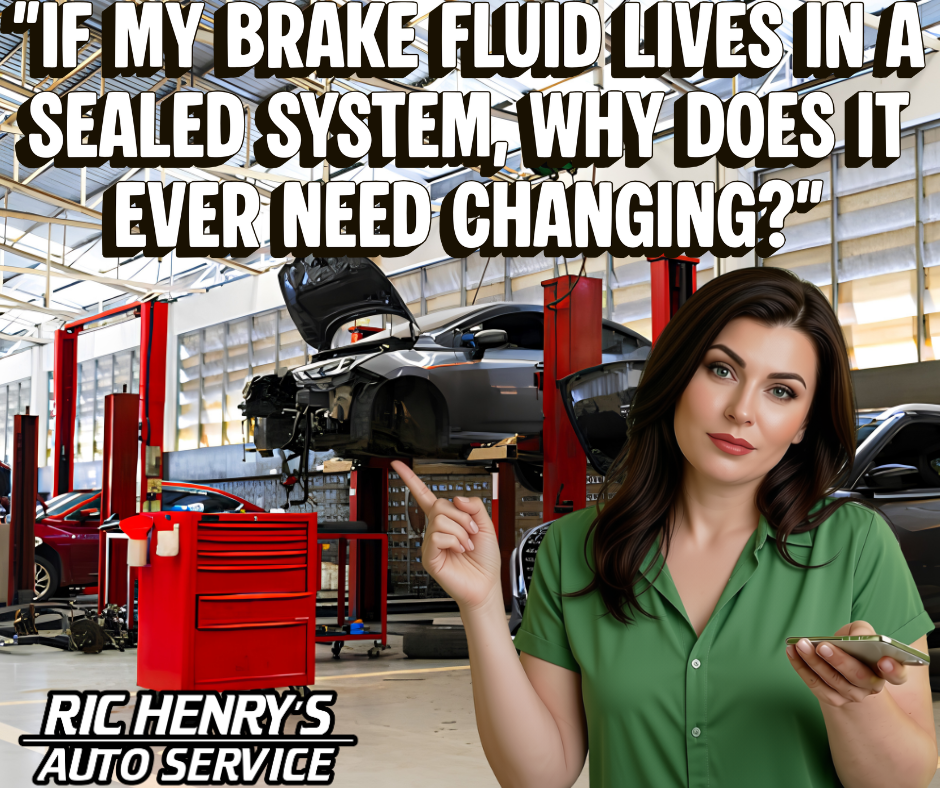
Why does brake fluid need changing in a closed system? Learn how hygroscopy lets water ruin your brakes, and trust Ric Henry's Auto Service in San Angelo for honest, dealership-level care.

Is your car's temperature gauge rising in traffic but dropping on the highway? Learn why this happens and why you should trust Ric Henry's Auto Service in San Angelo for honest cooling system repairs.
Does engine braking damage your car? Discover the truth about downshifting, rev-matching, and brake fade. Trust your vehicle to Ric Henry's Auto Service in San Angelo for expert care.
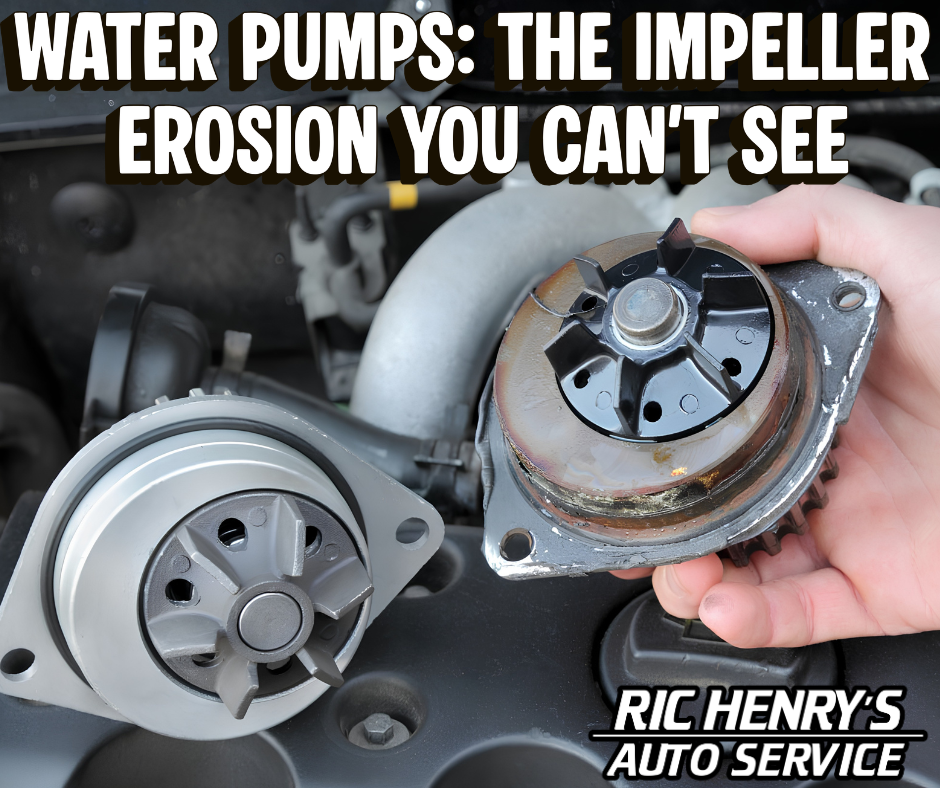
Water pump problems can hide behind impeller erosion and poor coolant circulation. Learn why San Angelo drivers trust Ric Henry's Auto Service for honest diagnostics, modern technology, and dealership-level care.

Is your modern car burning through oil? Discover the causes of excessive oil consumption in new engines and why San Angelo drivers trust Ric Henry's Auto Service, a legacy shop since 1966.

Stop asking, "Why do you need my VIN?" Learn the fascinating history of this 17-digit code, why it is critical for accurate repairs and recalls, and why we insist on it at Ric Henry's Auto Service, San Angelo's trusted dealership alternative since 1966.