
Why Your Car Pulls to One Side (And Why Ignoring It Costs You Money)
NaTasha Brand • June 5, 2025
The Hidden Dangers of a Misaligned Ride
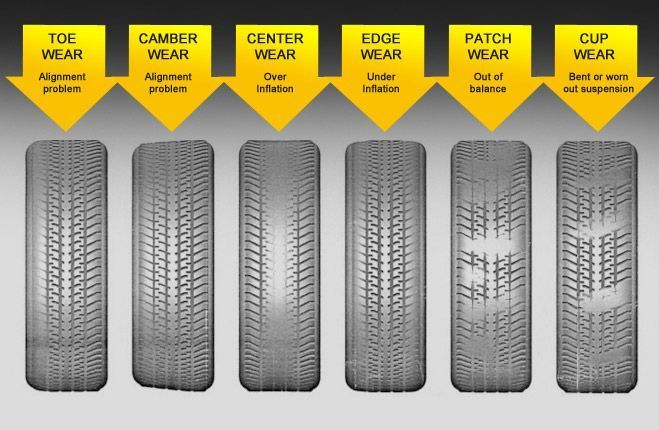
That subtle tug on your steering wheel isn't just annoying - it's your car crying for help. When your vehicle pulls to one side, it's not just an alignment issue; it's a warning sign that's costing you money every mile you drive. At Ric Henry's Auto Service, we've seen how ignoring this problem leads to premature tire wear, suspension damage, and even safety risks.
In this post, we'll explain:
✔ The 5 most common causes of pulling
✔ How proper alignment saves you hundreds in repairs
✔ Why quick "tire shop" fixes often miss the real problem
✔ How our precision alignment service differs from the competition
5 Reasons Your Car Pulls to One Side
1. Wheel Alignment Issues (The Usual Suspect)
• Camber misalignment: Wheels tilted inward/outward
• Toe misalignment: Wheels pointed slightly apart/together
• Caster imbalance: Steering axis angle problems
Effect: Uneven tire wear, steering wheel vibration, and constant correction
2. Brake System Problems
• A sticking caliper applies constant pressure
• Collapsed brake hose prevents full release
• Uneven pad wear creates drag
Effect: Pulls when braking (could indicate dangerous failure)
3. Tire Trouble
• Uneven tread wear from previous misalignment
• Improper inflation (just 5 PSI difference matters)
• Radial pull from defective tire construction
Effect: Pull follows tire rotation (test by swapping front tires)
4. Suspension Wear
• Worn control arm bushings
• Failing ball joints
• Damaged strut/shock
Effect: Pull worsens over bumps or during acceleration
5. Frame/Structural Damage
• From accidents or pothole impacts
• Misaligned subframe or bent components
Effect: Persistent pull that standard alignment won't fix
Why Proper Alignment Saves You Money
Tire Savings
• Misalignment can cut tire life in half!
• Proper alignment ensures even wear patterns
Fuel Efficiency
• Dragging wheels increase rolling resistance
• Can reduce MPG by up to 10%
Prevent Costly Suspension Repairs
• Chronic misalignment stresses:
o Wheel bearings ($300+/corner)
o Control arms ($200+/side)
o Steering components ($150+)
Safety Matters
• Pulling requires constant steering correction
• Increases stopping distances
• May indicate impending brake failure
How Ric Henry's Auto Service Does Alignments Right
Unlike quick-lube shops that just "get it in the green," our alignment service includes:
�55357;�56589; Pre-Alignment Inspection
• Checks suspension/steering components
• Verifies proper tire inflation
• Tests brake drag
�55357;�56522; Laser Precision Measurement
• Measures all three angles (camber, caster, toe)
• Compares to exact factory specs
�55357;�57056;️ Problem-Solving Approach
• If it won't align properly, we find why (not force it)
• Recommend only necessary repairs
�55357;�56615; 3-Year/36,000-Mile Nationwide Warranty
• Because we stand behind our work
When Should You Get an Alignment?
• After hitting potholes/curbs
• When installing new tires
• Every 12 months or 12,000 miles
• Whenever you notice pulling or uneven wear
Your Car Should Go Straight Without the Drama
A properly aligned car doesn't just drive better - it lasts longer and costs less to maintain. If your ride has developed a political leaning (left or right), it's time for an intervention.
Schedule your alignment today - because the only thing that should pull you is your kids begging for McDonald's.

Is your car in Limp Mode? Learn why your vehicle limits power to protect the engine and why you should trust Ric Henry's Auto Service in San Angelo for honest diagnostics and dealer-level care.
Unlock the mystery of DEF fluid and Selective Catalytic Reduction. Learn why your diesel drinks it and why Ric Henry's Auto Service is San Angelo's trusted dealership alternative for expert diesel care.
Why does brake fluid need changing in a closed system? Learn how hygroscopy lets water ruin your brakes, and trust Ric Henry's Auto Service in San Angelo for honest, dealership-level care.
Is your car's temperature gauge rising in traffic but dropping on the highway? Learn why this happens and why you should trust Ric Henry's Auto Service in San Angelo for honest cooling system repairs.
Does engine braking damage your car? Discover the truth about downshifting, rev-matching, and brake fade. Trust your vehicle to Ric Henry's Auto Service in San Angelo for expert care.
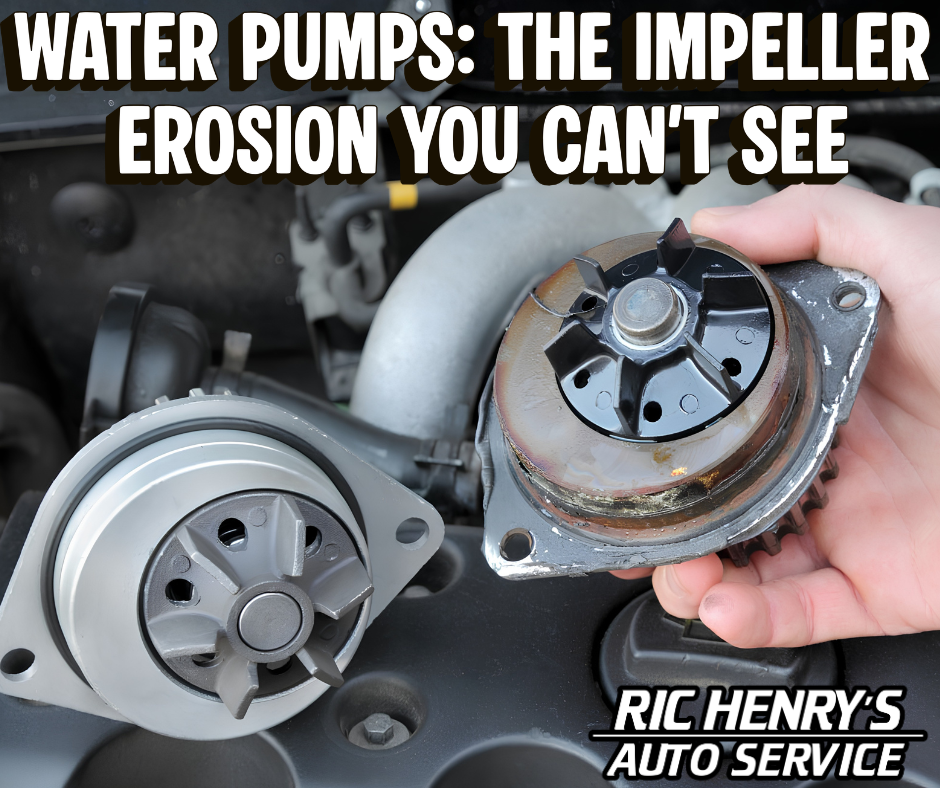
Water pump problems can hide behind impeller erosion and poor coolant circulation. Learn why San Angelo drivers trust Ric Henry's Auto Service for honest diagnostics, modern technology, and dealership-level care.
Is your modern car burning through oil? Discover the causes of excessive oil consumption in new engines and why San Angelo drivers trust Ric Henry's Auto Service, a legacy shop since 1966.
Stop asking, "Why do you need my VIN?" Learn the fascinating history of this 17-digit code, why it is critical for accurate repairs and recalls, and why we insist on it at Ric Henry's Auto Service, San Angelo's trusted dealership alternative since 1966.
Learn what the CAN Bus system does, warning signs of failure, and why San Angelo drivers trust Ric Henry’s Auto Service for honest, dealer-level diagnostics.
Learn what valve float is, its causes and warning signs, and how Ric Henry’s Auto Service provides trusted, modern engine diagnostics and repair for San Angelo drivers.