

Why Does My Car Smell Like Gasoline After Filling Up?
NaTasha Brand • February 17, 2026
A Stinky Situation in San Angelo
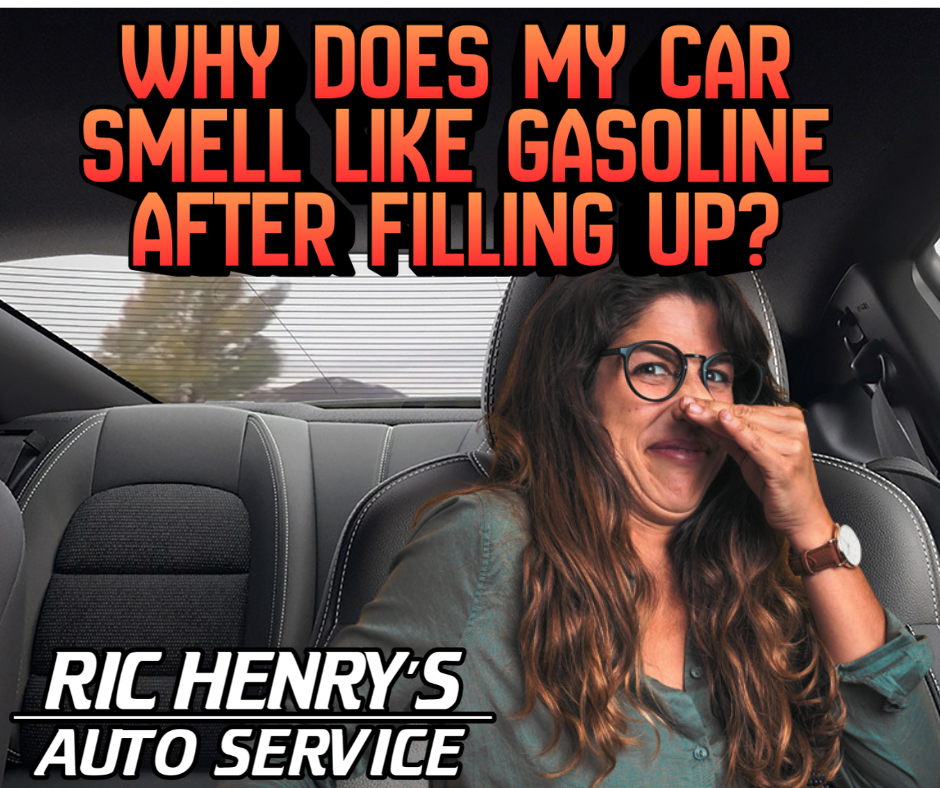
There are certain smells that invoke pure, unadulterated nostalgia here in West Texas. The smell of rain on dry dirt. The aroma of mesquite smoke from a backyard grill. And the distinct scent of the Concho River after a storm.
And then there are smells that invoke pure, unadulterated panic.
If you’re standing at a pump in San Angelo, whether it’s the Allsup’s on Bryant, the United on Knickerbocker, or the Stripes on Sherwood Way, and after filling up, you drive away with the windows down only to be slapped in the face by the pungent odor of raw gasoline, panic is the correct response.
Why? Because your car is trying to tell you something, and it’s not "Have a nice day." It’s saying, "My EVAP system is compromised, and I’m about to cost you a lot of money."
Let’s dive into the greasy, fumy details of why your ride reeks after refueling, why your habit of "topping off" is the automotive equivalent of eating junk food, and most importantly, who in San Angelo you can trust to make it stop.
The Great Gasoline Heist: Where Is Your Fuel Going?
To understand the smell, you have to understand the magic trick your car performs every day. It’s called the EVAP (Evaporative Emission Control) System. In the old days, gasoline fumes would just vent into the atmosphere. But since the early 90s, the EPA cracked down, and now your car is basically a sealed unit with a recovery system.
Here’s how it works: Fuel vapors rise from your tank. Instead of escaping, they travel to a component called the charcoal canister. This little black box is filled with activated charcoal (think of a high-tech Brita filter for air) that traps the fuel vapors. Later, when your engine is running, a component called the Purge Valve (or Purge Solenoid) opens up, sucking those stored vapors into the engine to be burned off. It’s efficient, it’s clean, and it keeps your car from smelling like a lawnmower .
So, if the system is closed, why do you smell gas?
The Usual Suspects: Purge Valve and Liquid Gold
Usually, the culprit is one of two things, and they often go hand-in-hand.
- The Purge Valve Stuck Open - The purge valve is supposed to be a gatekeeper. It opens when the computer says so and stays shut when the party is over. But if that valve gets stuck in the "open" position, it creates a constant vacuum leak. When the valve is stuck open, fuel vapors (and sometimes liquid fuel) are being drawn into the engine when they shouldn't be. This messes with your air-fuel mixture, causing a rough idle, poor performance, and a drop in fuel economy. But more importantly, it can allow raw fuel to pool in the intake manifold. That smell you notice? That’s the excess fuel your engine couldn’t handle backing up into the system.
- The Flooded Charcoal Canister (The "Topper's" Remorse) - This brings us to the cardinal sin of refueling: topping off.You know the sound. Click. That’s the sound of your tank being full. That click is your friend. That click is the sound of financial responsibility. But so many of us ignore it. We squeeze the handle for "one more tenth" to make the dollar amount even, or to cram just a little more in.
A charcoal canister is designed for vapor. It is not designed for liquid. It’s like using a paper towel to clean up a flood, once it’s saturated, it’s ruined. The charcoal breaks down, turns into sludge, and clogs the entire system. The liquid fuel sits there, cooking in the heat of your undercarriage, and vents that smell directly under your car. That’s what you’re smelling. You have literally flooded your car’s lungs with gasoline.
Why "The Dealership" Isn't the Only Answer in 2026
So, you’ve narrowed it down. You either have a purge valve that’s lost its mind, or a charcoal canister that’s drowning in premium unleaded. Now you need to fix it.
But here’s the thing about dealerships: they’re great at warranty work on cars built in the last three years. But when it comes to diagnosing an EVAP issue on your 2014 daily driver, you’re often paying for the name on the building, not necessarily the expertise in the bay.
You need a shop that has been evolving with the industry. You need a shop that has the same $$$$ diagnostic scanners the dealer uses, but with the experience to actually interpret the data. You need a shop that remembers when cars were carbureted but can reprogram a modern PCM in their sleep.
In San Angelo, that shop is Ric Henry‘s Auto Service.
Trust Your Car (and Your Nose) to Ric Henry’s Auto Service
Since 1992, Ric Henry’s Auto Service has been the anchor of trust on West Washington Drive . While other shops come and go, Ric Henry’s Auto Service has been quietly doing the dirty work of keeping this city on the road.
Why should you trust them with your stinky car?
Because they don’t just throw parts at the problem. When you bring your car in complaining of a gas smell, a lesser shop might say, "Let’s try a purge valve." If that doesn’t work, "Let’s try a canister." And your wallet gets lighter with each guess.
The team at Ric Henry’s uses the same tools and diagnostic equipment that the dealerships use to pinpoint the exact failure . Whether it’s a EVAP system leak, a faulty purge solenoid, or a charcoal canister that looks like a bag of wet coffee grounds, they find it the first time.
They offer comprehensive auto repair services for whatever they dig up. Whether it’s a minor vacuum line fix or a major EVAP system overhaul, their experienced technicians handle it all. They’ve seen the brutal West Texas heat crack those plastic EVAP lines, and they know how to make the repair last.
And because they know a repair is only as good as the promise behind it, every service they perform is backed by a rock-solid 3-year/36,000-mile warranty. That’s dealer-level coverage without the dealer-level attitude.
The Bottom Line
So, the next time you’re at the pump in San Angelo, remember the rules:
1. When it clicks, stop.
2. If you smell gas after filling up, don’t ignore it.
Bring that stinker down to 204 W Washington Drive and let the pros at Ric Henry’s Auto Service give it a whiff. Because in a world of disposable parts and chain-store guesswork, it’s nice to know there’s still a place where integrity isn’t a optional extra, it’s standard equipment.
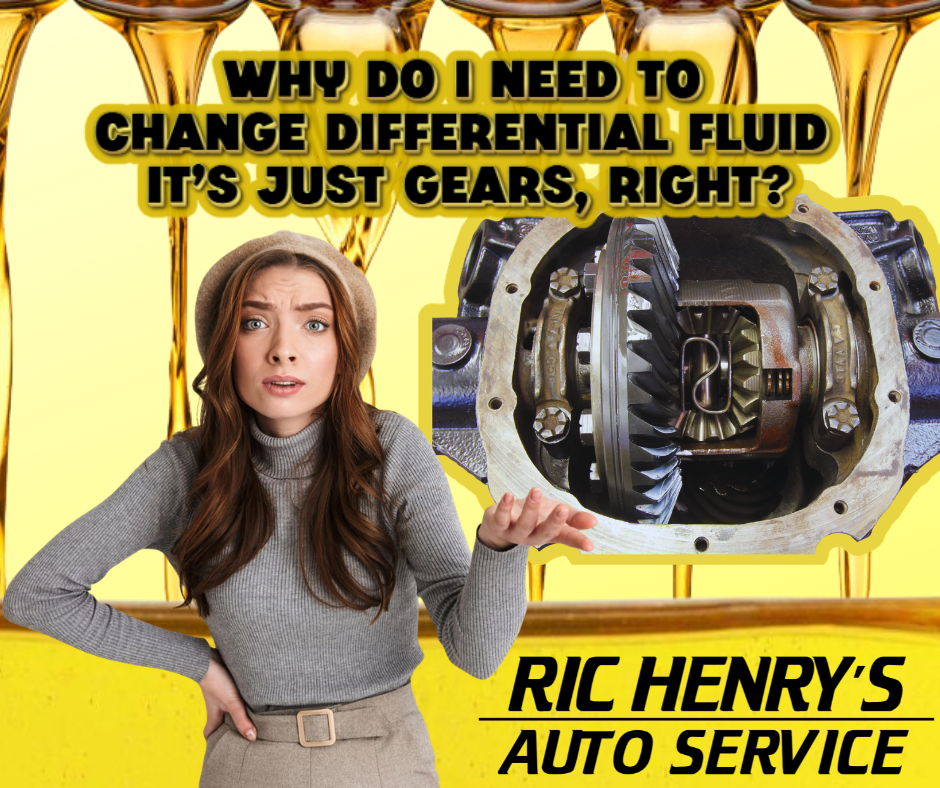
Think differential fluid is "fill for life"? Think again. Learn about heat breakdown, wear metals, and LSD additives. Trust Ric Henry's Auto Service in San Angelo for expert service backed by a 3-year/36,000-mile warranty.
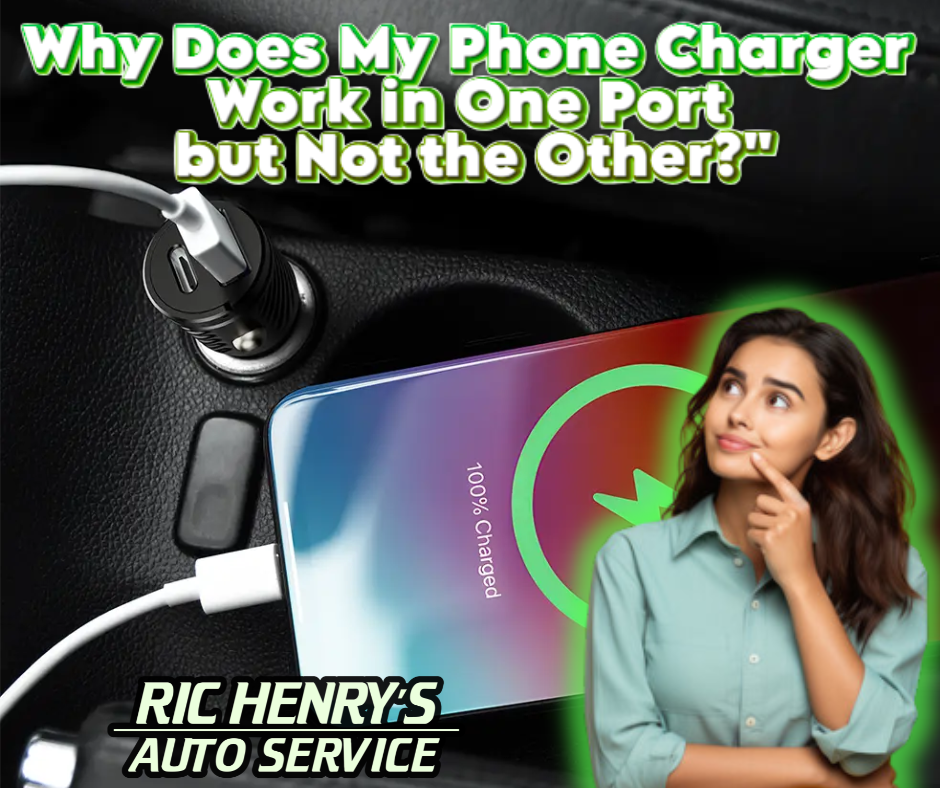
Frustrated that your phone charger works in one car port but not the other? From blown fuses to always-hot outlets, we diagnose the problem. Trust the experts at Ric Henry's Auto Service in San Angelo for the real fix.
Cold start exhaust rattle in San Angelo? It's a heat-shield or flex pipe crying for help! Ric Henry's Auto Service explains why & offers trusted, warrantied repairs. Don't ignore the morning grumble!
Share On: