

Why Your Car's Ignition Coils Prefer to Fail as a Group
NaTasha Brand • December 16, 2025
The Pack Mentality
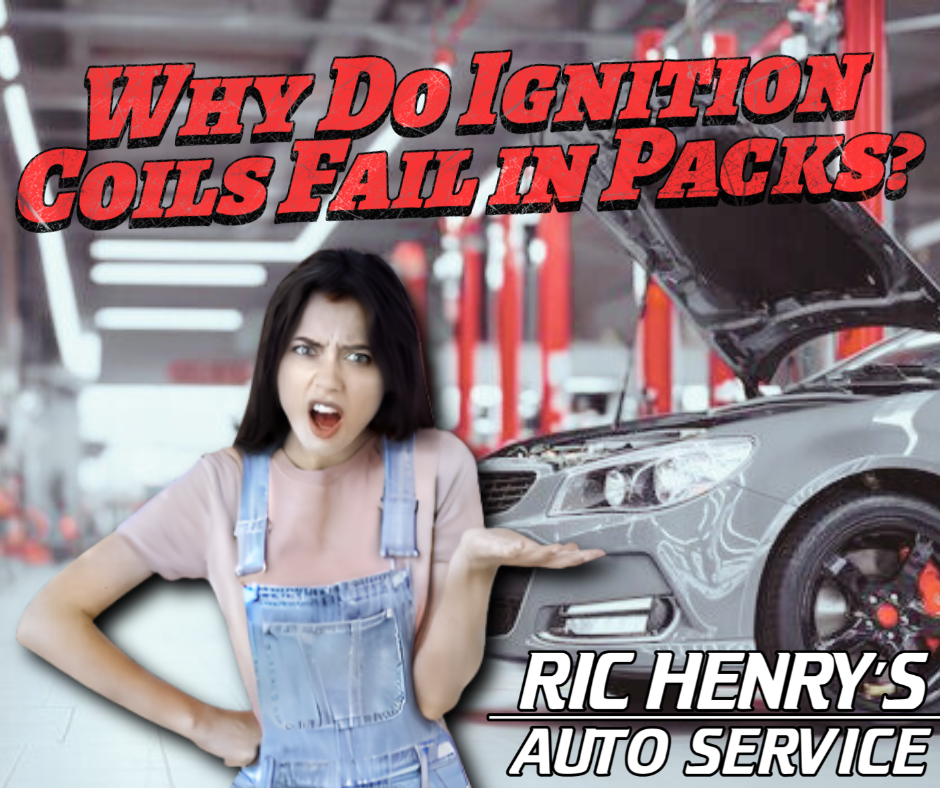
Here in San Angelo, where the drives are as long as the summer days and the roads can oscillate between I-67 smoothness and a ranch-access-road rumble, your vehicle’s ignition system is the unsung hero of every journey. It’s the spark of life. And when that spark falters, it often does so not with a solo whimper, but with a coordinated chorus of failure. Today, we’re diving into the curious case of why ignition coils fail in packs. Buckle up; it’s a tale of shared suffering, thermal drama, and why your toolbox is no match for this particular puzzle.
What in the World is an Ignition Coil Pack?
First, a quick primer. Forget the single, bulbous coil and distributor of yesteryear. Modern engines use a sleek, consolidated system: the ignition coil pack. Think of it as a command module for spark. Its job is to take your battery’s low-voltage plea (12 volts) and amplify it into a high-voltage battle cry (up to 50,000 volts or more) that screams across a spark plug gap, igniting the air-fuel mixture in the cylinder. One coil might serve one spark plug (a “coil-on-plug” setup) or two via a spark plug wire. Together, these coils form a pack, a band of electrical brothers working in perfect, fiery harmony.
The Inevitable Decline: Why Packs Fail Together
Coils don’t conspire, but their failure is often a group activity. Here’s why:
1. The Great Equalizer: Heat & Vibration. Under your hood in a San Angelo August is a special kind of inferno. Ignition coils live there, baked constantly. Heat degrades their internal insulation over time. Add in the vibration from our less-than-perfect pavement, and every coil in the pack endures identical stress. They were installed together, they heat-cycle together, they vibrate together, so they often wear out together.
2. The Domino Effect of a Weak Link. Sometimes, one heroic coil fails early. But when you replace just that one, you’re introducing a fresh, strong component into a pack of weary veterans. The new coil operates at peak efficiency, which can place additional electrical strain on the older, weaker siblings, hastening their demise. It’s like putting one Olympic sprinter on a relay team with three retirees, the system gets unbalanced.
3. Shared Adversity. They all share the same power source and ground connections. A voltage spike or grounding issue from a failing alternator or bad battery won’t discriminate, it will buffet the entire pack equally.
Symptoms: Your Car’s Cry for Help
How do you know the pack is turning against you? Listen and feel:
• The Misfire Mambo: A shuddering, stumbling sensation during acceleration, especially under load (like merging onto Houston Harte Expressway).
• The Check Engine Light Tango: That little amber light will flash or glow steadily, often with codes for random or specific cylinder misfires.
• The Power Drain: A noticeable loss of oomph and fuel efficiency. Your engine feels lazy.
• The Rough Idle Rumba: At a stoplight in downtown San Angelo, your car feels like it’s shimmying rather than idling.
• The Hard/No-Start Finale: If enough coils fail, the spark just isn’t there to start the party.
Maintenance? It’s About Prevention.
Coils are largely “sealed for life”—their life, which they decide. Your best maintenance is proactive:
• Change Your Spark Plugs on Time! Worn or gapped spark plugs force coils to work harder, generating more heat and shortening their life. This is the #1 thing you can control.
• Address Minor Misfires Immediately. Ignoring a small misfire cooks the related coil.
• Keep Your Charging System Healthy. A stable electrical environment from a good battery and alternator is like giving your coils a stress-free workplace.
Why This Isn’t a DIY “Quick Fix”
Ah, the siren song of the online tutorial. “It’s just unplugging a connector and a bolt or two!” Here’s the reality check:
1. Diagnosis is Key. The symptoms above can mimic a dozen other issues (bad plugs, fuel injectors, vacuum leaks). Throwing parts at it is a costly game. Professional diagnostics pinpoint the exact culprit.
2. The Torque Tantrum. Coils and spark plugs require precise torque. Too little causes arcing and damage; too much cracks the coil housing. This isn’t “gudentite” territory.
3. The Calibration Conundrum. After replacement, the vehicle’s computer may need to be reset or have its adaptive memory cleared. Without this, it may still run poorly.
4. The Access Agony. On many modern engines, reaching the rear coils is a feat of contortionism requiring the removal of half the top end of the engine.
Trust Your Spark to the Pros at Ric Henry’s Auto Service
This is where we, at Ric Henry’s Auto Service, come in. For San Angelo drivers, a coil pack failure isn’t a roadside mystery—it’s a job for experienced technicians. We don’t just guess; we diagnose. Using the same advanced scan tools and equipment as the dealership, we identify the root cause—whether it’s one coil or the whole ensemble. And we don’t stop there. While we’re in, we’ll assess your spark plugs, wires, and charging system to ensure the repair lasts.
We offer comprehensive auto repair services beyond ignition systems. From minor fixes to major overhauls, our team is equipped for it all. Best of all, we back our quality with a robust 3-year/36,000-mile warranty on all services we provide, giving you peace of mind on every drive to Lake Nasworthy or beyond.
So, when your engine starts singing the misfire blues, remember: ignition coils are pack animals. And for their care, you need a different kind of pack, a trusted team of professionals.
Let Ric Henry’s Auto Service be your spark in the dark.
After all, in the orchestra of your engine, you don’t want a quartet that can’t hold a tune.

Annoying clunk over San Angelo potholes? We diagnose sway bar links, strut mounts, control arm bushings & ball joints. Trust the precise repair & warranty at Ric Henry's Auto Service.
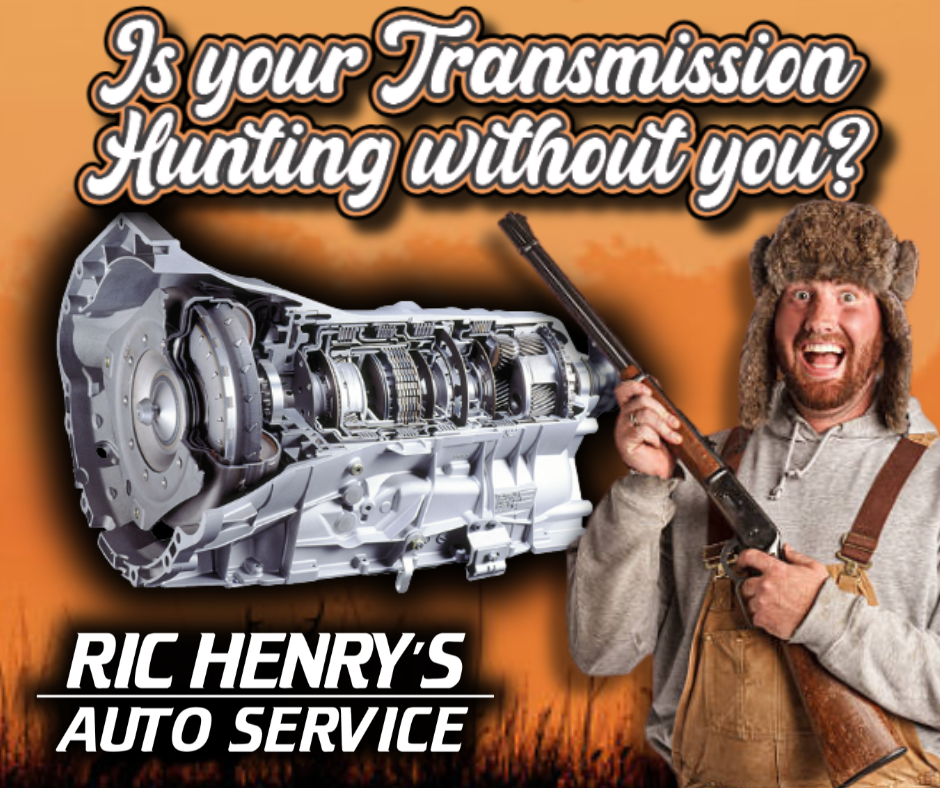
Is your automatic transmission in San Angelo indecisive? It might be "hunting" for gears. We decode the symptoms, sensors, and solutions. Trust your vehicle to the experienced technicians at Ric Henry's Auto Service.
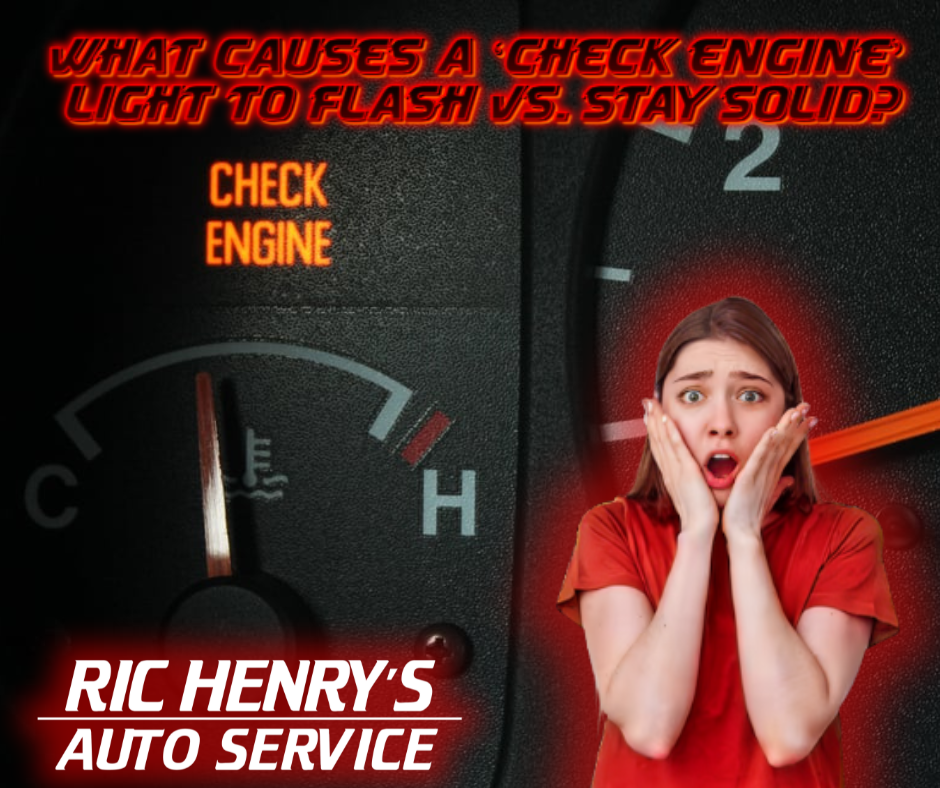
Solid vs. flashing Check Engine light? San Angelo's Ric Henry's Auto Service decodes the panic. Learn when it's a warning & when to STOP. Expert diagnostics, dealership tools & a 3-year warranty. Trust your repair.
Share On: