
The High Cost of Coolant Neglect:
NaTasha Brand • September 15, 2025
From a Simple Leak to a Seized Engine
Here in San Angelo, where the West Texas sun can turn your car into a rolling oven, your cooling system isn't a suggestion, it's your vehicle's lifeline. That small puddle of brightly colored liquid under your car or that faint sweet smell coming from the hood isn't a minor inconvenience; it's a cry for help. Ignoring a coolant issue is like ignoring a rattlesnake's warning: the longer you wait, the more catastrophic the outcome.
At Ric Henry's Auto Service, we've seen the full spectrum of coolant calamities. What starts as a simple, affordable fix can quickly escalate into a financial nightmare if left untreated. Let's break down the costly domino effect of ignoring that drip.
The Domino Effect of a Coolant Leak
Stage 1: The "It's Probably Nothing" Phase
You notice a small pink or green puddle under your car. The temperature gauge is still normal, so you shrug it off. But that leak, whether from a hose, the radiator, or the water pump, means the system is losing its ability to maintain pressure. This lowers the coolant's boiling point, bringing your engine one step closer to a crisis.
Stage 2: The "Okay, This Might Be Serious" Phase
The leak worsens. Now, you're constantly topping off the coolant reservoir. The system is sucking in air, which leads to air pockets. These pockets can cause:
- Erratic Temperature Gauge: The needle might spike suddenly and then drop back down.
- No Heat in the Cabin: Your heater core is one of the first things to get starved of coolant, leaving you blowing cold air on a chilly Texas morning.
Stage 3: The "Point of No Return" Phase – Overheating
This is the moment of truth. With insufficient coolant, the engine can no longer regulate its temperature. The metal components expand beyond their tolerances. What happens next is a choose-your-own-adventure of automotive disaster:
- Warped Cylinder Head: The cylinder head, which seals the combustion chambers, can warp from the extreme heat. This leads to a blown head gasket, allowing coolant and oil to mix into a nasty, milky sludge that can clog and destroy your entire engine. Cost: $$$$
- Cracked Engine Block: In severe overheating, the engine block itself can crack. This is almost always a death sentence for the engine, requiring a complete replacement. Cost: $$$$$
- Destroyed Catalytic Converter: Coolant entering the combustion chambers (through a blown head gasket) is sent directly into the exhaust system. The chemicals in coolant will quickly contaminate and melt the expensive precious metals inside your catalytic converter. Cost: $$$
Suddenly, that $200 hose replacement looks like a bargain.
Why a Professional Diagnosis is Non-Negotiable
You might be tempted to just keep adding coolant or use a stop-leak product. These are temporary bandaids that often cause more harm than good by clogging narrow coolant passages and heater cores.
A proper repair requires a professional because:
- Accurate Diagnosis: A leak could be from a hose, radiator, water pump, thermostat housing, or a internal issue like a head gasket. Our technicians at Ric Henry's Auto Service use the same advanced tools and equipment that dealerships use, including pressure testers and combustion leak detectors, to find the exact source of the problem.
- Proper Repair: Replacing a part is only half the job. The system must be properly burped to remove all air pockets, and it must be filled with the correct type of coolant specified for your vehicle. Using the wrong mix can cause corrosion and damage.
- Long-Term Warranty: When we fix a cooling system repair at Ric Henry's, we don't just send you on your way. Every service is backed by our 3-year/36,000-mile nationwide warranty. This means you get peace of mind that the job was done right and is protected.
Don't let a small leak drive a big crack through your engine block, and your wallet. A timely repair is an investment in your vehicle's longevity.

Is your car in Limp Mode? Learn why your vehicle limits power to protect the engine and why you should trust Ric Henry's Auto Service in San Angelo for honest diagnostics and dealer-level care.
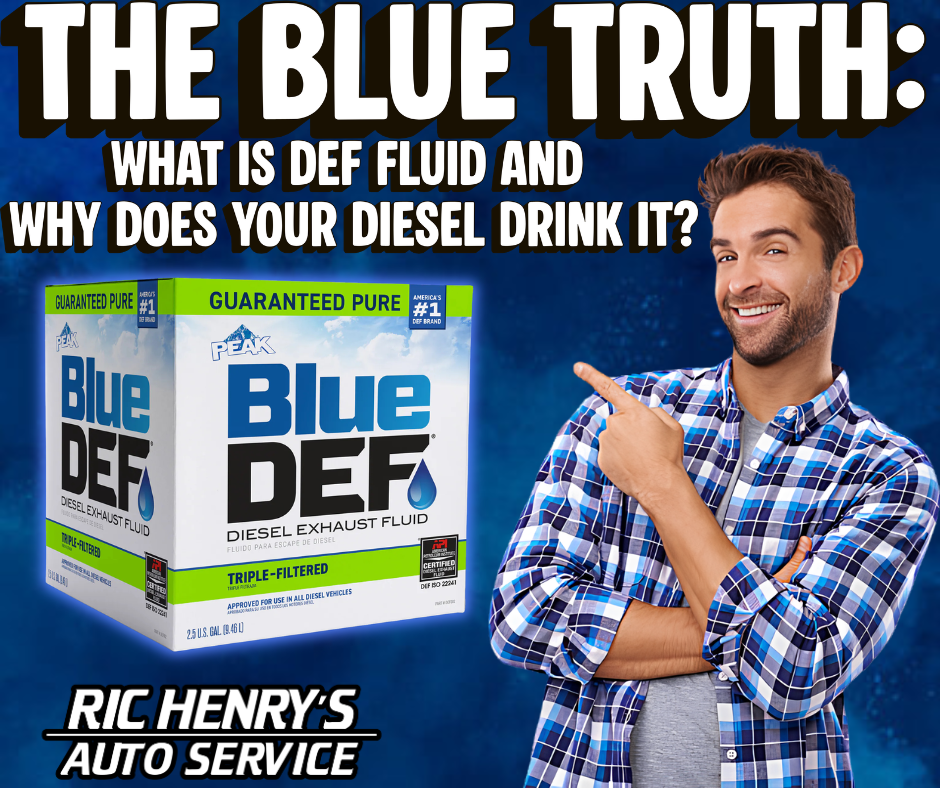
Unlock the mystery of DEF fluid and Selective Catalytic Reduction. Learn why your diesel drinks it and why Ric Henry's Auto Service is San Angelo's trusted dealership alternative for expert diesel care.
Why does brake fluid need changing in a closed system? Learn how hygroscopy lets water ruin your brakes, and trust Ric Henry's Auto Service in San Angelo for honest, dealership-level care.
Is your car's temperature gauge rising in traffic but dropping on the highway? Learn why this happens and why you should trust Ric Henry's Auto Service in San Angelo for honest cooling system repairs.
Does engine braking damage your car? Discover the truth about downshifting, rev-matching, and brake fade. Trust your vehicle to Ric Henry's Auto Service in San Angelo for expert care.
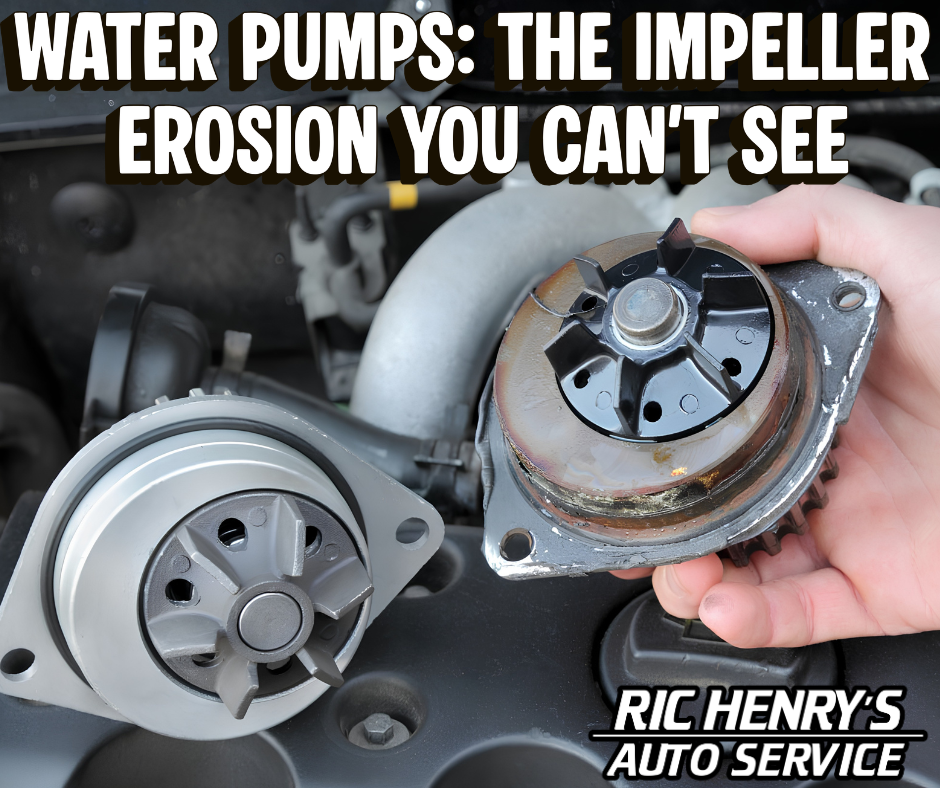
Water pump problems can hide behind impeller erosion and poor coolant circulation. Learn why San Angelo drivers trust Ric Henry's Auto Service for honest diagnostics, modern technology, and dealership-level care.
Is your modern car burning through oil? Discover the causes of excessive oil consumption in new engines and why San Angelo drivers trust Ric Henry's Auto Service, a legacy shop since 1966.

Stop asking, "Why do you need my VIN?" Learn the fascinating history of this 17-digit code, why it is critical for accurate repairs and recalls, and why we insist on it at Ric Henry's Auto Service, San Angelo's trusted dealership alternative since 1966.
Learn what the CAN Bus system does, warning signs of failure, and why San Angelo drivers trust Ric Henry’s Auto Service for honest, dealer-level diagnostics.
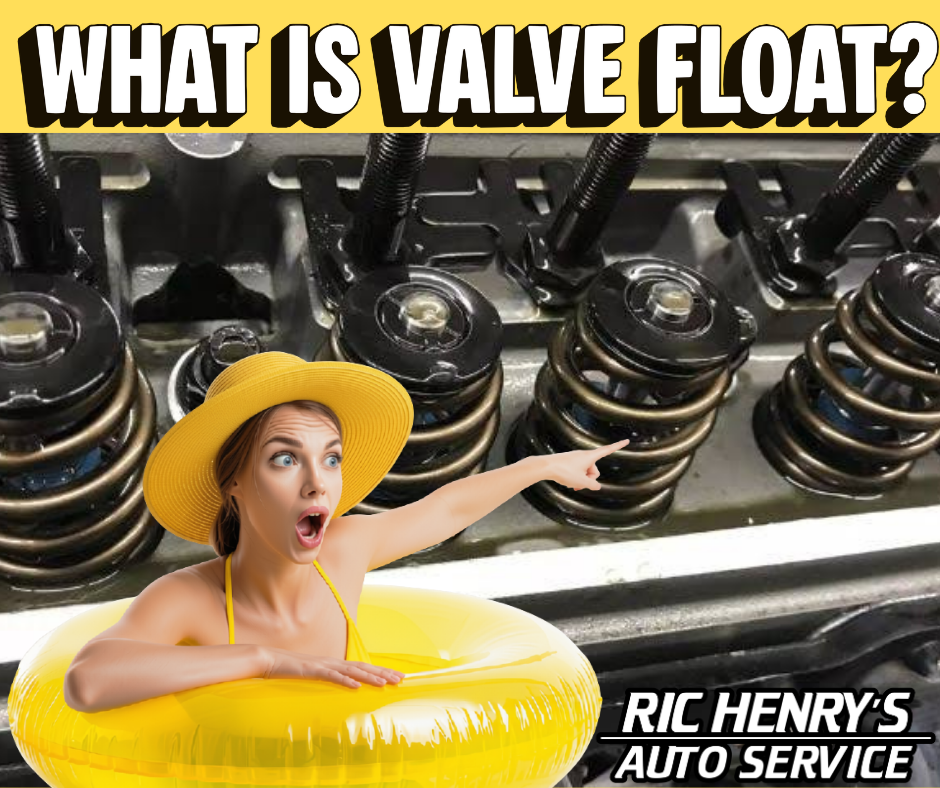
Learn what valve float is, its causes and warning signs, and how Ric Henry’s Auto Service provides trusted, modern engine diagnostics and repair for San Angelo drivers.