
Does Your Car's Color Turn It Into a Solar Oven? The AC Truth Revealed
NaTasha Brand • May 28, 2025
The Color Conundrum: Fact vs. Fiction
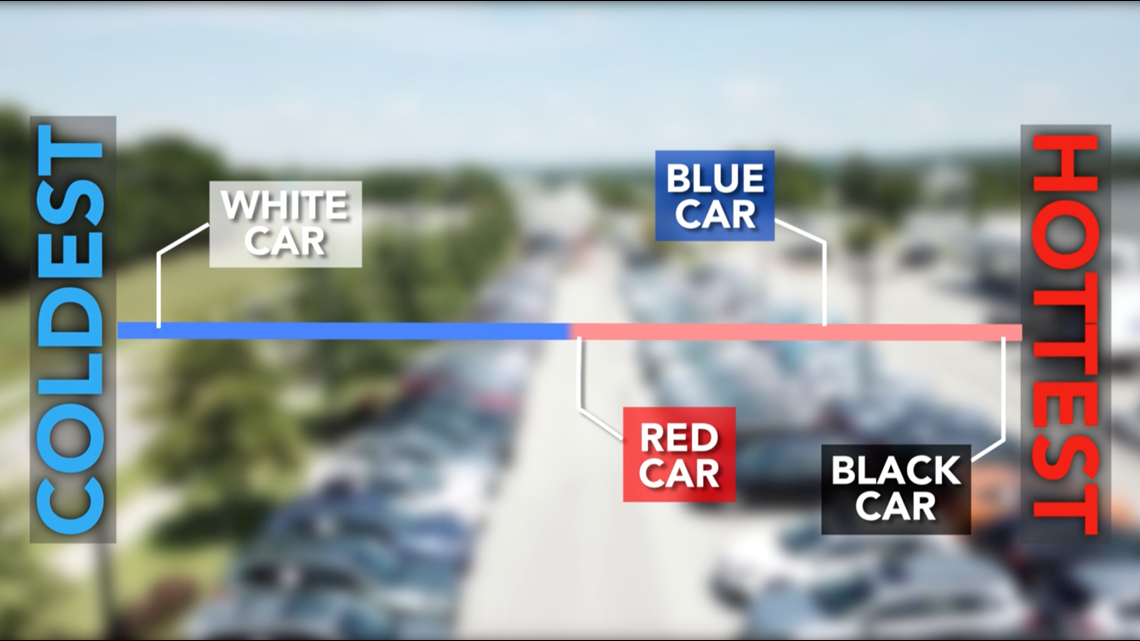
Here at Ric Henry's Auto Service in San Angelo, we've heard every Texas car myth imaginable. But when a customer asked if their black truck was cooking their AC system, we realized: this old wives' tale actually has some science behind it!
The Color Conundrum: Fact vs. Fiction
Remember high school science? Dark colors absorb heat, light colors reflect it. Your seventh-grade teacher wasn't lying - this applies to your car too:
• Midnight Riders (Black/Dark Cars): Can reach 130°F+ interiors in our Texas sun - that's 20-30° hotter than white cars
• Pale Riders (White/Light Cars): Reflect up to 60% of solar radiation before it penetrates
Your AC's Battle Against the Texas Sun
That extra heat means your AC system:
➤ Works 30% harder in dark vehicles
➤ Drains more fuel (up to 1 MPG loss)
➤ Ages faster under constant strain
Pro Tips to Keep Your Cool (No Matter the Color)
-Park like a vampire - Seek shade like it's your job
-Sunshield superhero - A $20 dashboard cover prevents "steering wheel burns"
-Window crack hack - 1/2" opening lets hot air escape
-AC maintenance matters - Annual checkups prevent 80% of failures
When Your AC Waves the White Flag
At Ric Henry's Auto Service, our certified technicians:
✓ Perform precision AC diagnostics
✓ Handle refrigerant recharges properly (no DIY disasters)
✓ Offer 3-year/36,000-mile warranty on all repairs
While your pearl white F-150 won't magically fix a broken compressor, color absolutely affects how hard your AC works. The good news? With proper care, even a black sedan can survive Texas summers.

Wondering why your European car has such frequent service intervals? Ric Henry's Auto Service in San Angelo explains the engineering behind the schedule and why trusting a modern, experienced shop matters.

Carbon cleaning is not optional on direct-injection European cars.

Is your car in Limp Mode? Learn why your vehicle limits power to protect the engine and why you should trust Ric Henry's Auto Service in San Angelo for honest diagnostics and dealer-level care.
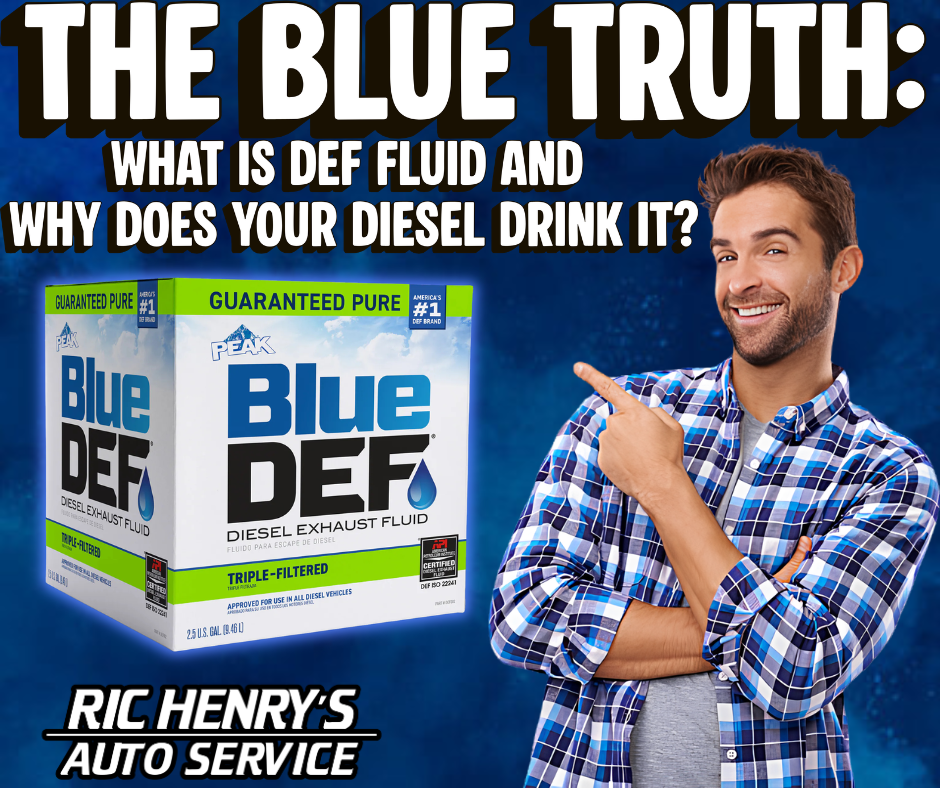
Unlock the mystery of DEF fluid and Selective Catalytic Reduction. Learn why your diesel drinks it and why Ric Henry's Auto Service is San Angelo's trusted dealership alternative for expert diesel care.
Why does brake fluid need changing in a closed system? Learn how hygroscopy lets water ruin your brakes, and trust Ric Henry's Auto Service in San Angelo for honest, dealership-level care.

Is your car's temperature gauge rising in traffic but dropping on the highway? Learn why this happens and why you should trust Ric Henry's Auto Service in San Angelo for honest cooling system repairs.
Does engine braking damage your car? Discover the truth about downshifting, rev-matching, and brake fade. Trust your vehicle to Ric Henry's Auto Service in San Angelo for expert care.
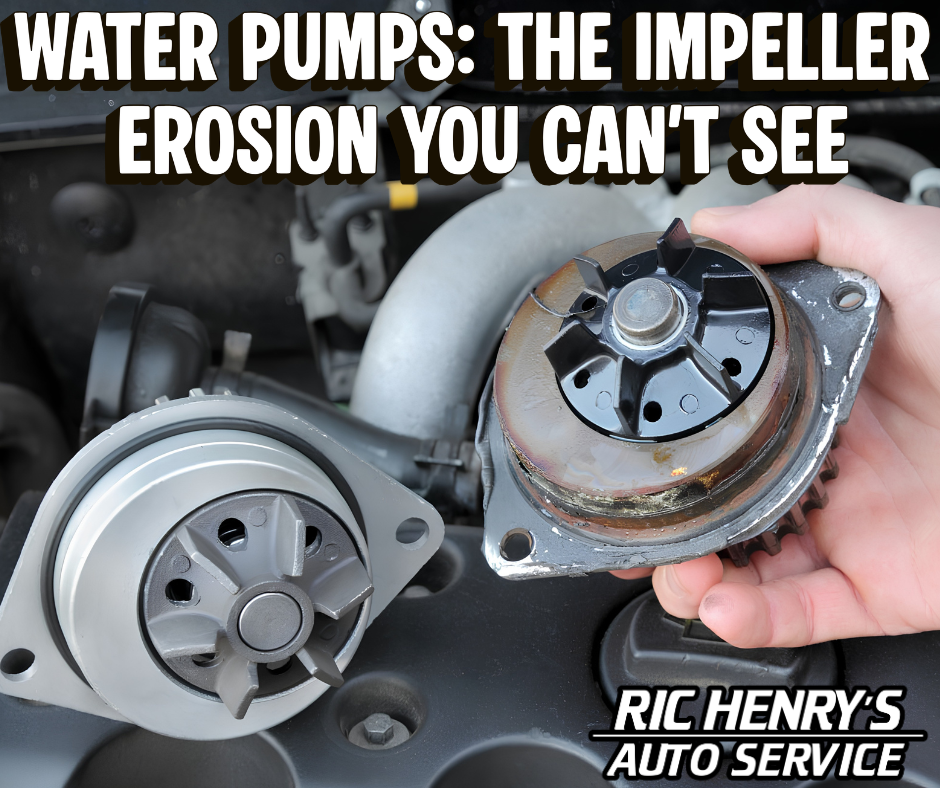
Water pump problems can hide behind impeller erosion and poor coolant circulation. Learn why San Angelo drivers trust Ric Henry's Auto Service for honest diagnostics, modern technology, and dealership-level care.
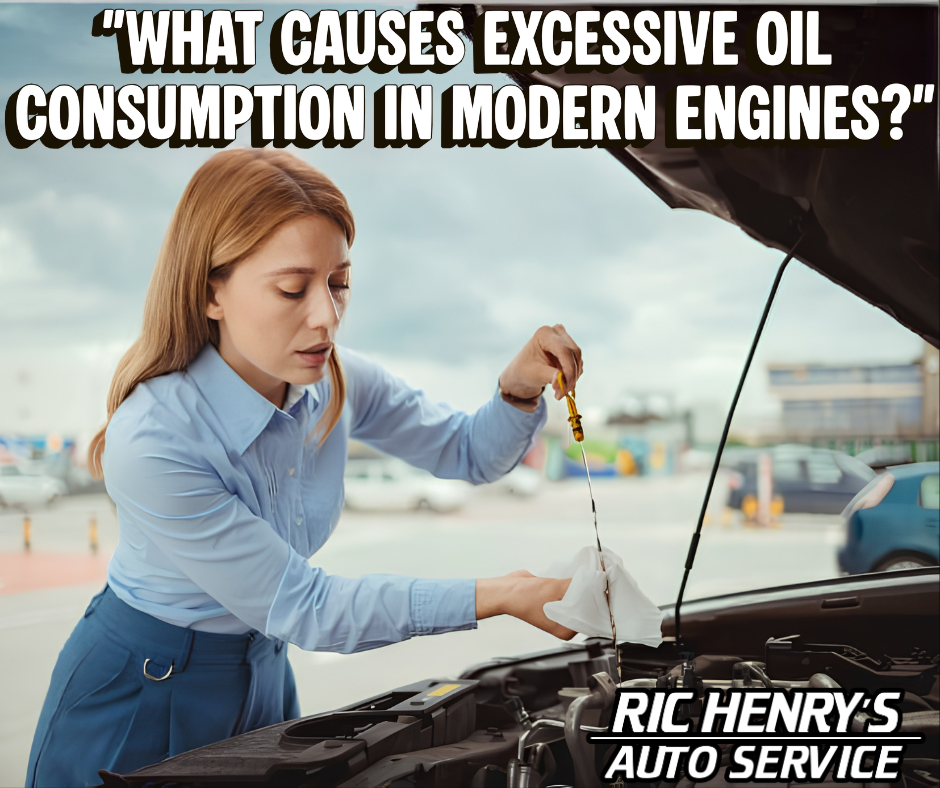
Is your modern car burning through oil? Discover the causes of excessive oil consumption in new engines and why San Angelo drivers trust Ric Henry's Auto Service, a legacy shop since 1966.

Stop asking, "Why do you need my VIN?" Learn the fascinating history of this 17-digit code, why it is critical for accurate repairs and recalls, and why we insist on it at Ric Henry's Auto Service, San Angelo's trusted dealership alternative since 1966.