
Does My Car Really Need Premium Gas?
NaTasha Brand • July 28, 2025
The Truth About Fuel Grades
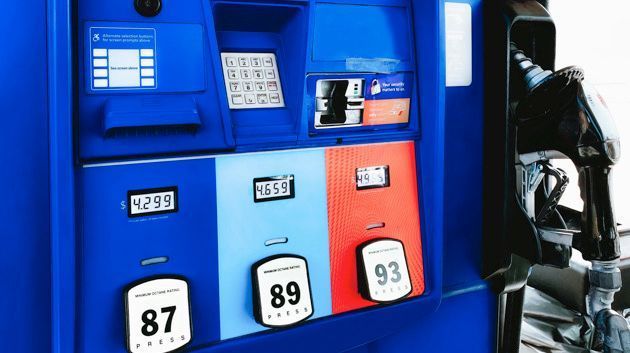
Ah, the age-old question at the pump: "Do I really need to shell out extra for premium gas, or is this just a fancy scam?" If you’ve ever stared at the buttons on the gas pump in San Angelo—87, 89, 93—and wondered if your car actually cares, you’re not alone. Let’s break it down like a seasoned mechanic with a caffeine buzz.
What Do Gas Grades Even Mean?
Gasoline grades (octane ratings) measure a fuel’s resistance to knocking or pinging—that unsettling sound when fuel ignites too early in the engine. Here’s the quick rundown:
• Regular (87 octane): The budget-friendly choice for most everyday cars.
• Mid-grade (89 octane): A middle-ground option, often for vehicles that recommend but don’t require higher octane.
• Premium (91-93 octane): The high-end stuff, designed for performance engines, turbos, and luxury cars that demand it.
Who Actually Needs Premium Gas?
Not every car does! Here’s the breakdown:
• Domestic (Ford, Chevy, Dodge): Most run fine on regular unless they’re high-performance models (think Mustang GT or Corvette).
• European (BMW, Mercedes, Audi): Many require premium due to high-compression or turbocharged engines. Skimping can hurt performance and fuel economy.
• Imports (Toyota, Honda, Hyundai): Typically regular-grade friendly unless it’s a sporty model (Supra, Type R).
What Happens If You Use the Wrong Gas?
• Using Regular in a Premium-Required Car: Engine knock, reduced power, worse fuel economy, and over time—carbon deposits and potential long-term damage.
• Using Premium in a Regular Car: Congrats, you’re burning money. Your Civic won’t suddenly turn into a race car.
San Angelo Drivers: What’s Best for Your Ride?
If your owner’s manual says "Premium Recommended," you can use regular, but you might lose some pep. If it says "Premium Required," don’t cheap out—your engine will thank you.
Ric Henry’s Auto Service: Your Fuel (and Everything Else) Experts
At Ric Henry’s Auto Service in San Angelo, we know engines inside and out. Whether you’re debating fuel grades or dealing with knock-related regrets, our experienced technicians use dealer-grade tools to keep your ride running smooth. Plus, we back all our services with a 3-year/36,000-mile warranty—because we stand by our work.
Using premium in a car that doesn’t need it is like putting ketchup on filet mignon—pointless and mildly offensive. Stick to what your engine actually wants, and if in doubt, ask us!

Is your car in Limp Mode? Learn why your vehicle limits power to protect the engine and why you should trust Ric Henry's Auto Service in San Angelo for honest diagnostics and dealer-level care.

Unlock the mystery of DEF fluid and Selective Catalytic Reduction. Learn why your diesel drinks it and why Ric Henry's Auto Service is San Angelo's trusted dealership alternative for expert diesel care.
Why does brake fluid need changing in a closed system? Learn how hygroscopy lets water ruin your brakes, and trust Ric Henry's Auto Service in San Angelo for honest, dealership-level care.
Is your car's temperature gauge rising in traffic but dropping on the highway? Learn why this happens and why you should trust Ric Henry's Auto Service in San Angelo for honest cooling system repairs.
Does engine braking damage your car? Discover the truth about downshifting, rev-matching, and brake fade. Trust your vehicle to Ric Henry's Auto Service in San Angelo for expert care.
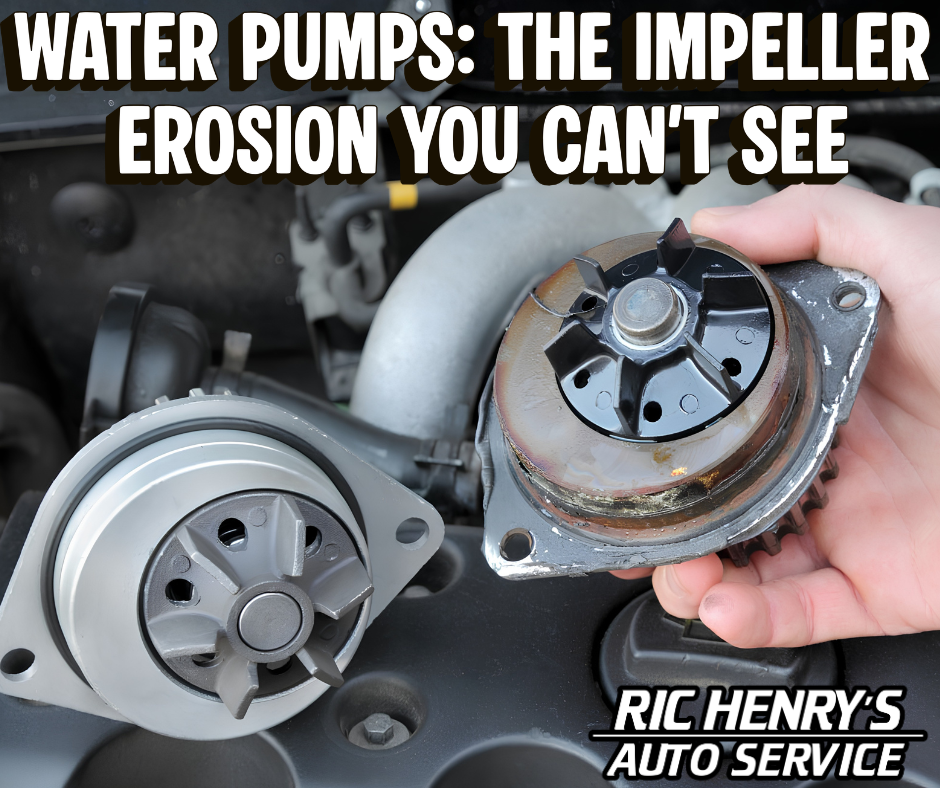
Water pump problems can hide behind impeller erosion and poor coolant circulation. Learn why San Angelo drivers trust Ric Henry's Auto Service for honest diagnostics, modern technology, and dealership-level care.

Is your modern car burning through oil? Discover the causes of excessive oil consumption in new engines and why San Angelo drivers trust Ric Henry's Auto Service, a legacy shop since 1966.

Stop asking, "Why do you need my VIN?" Learn the fascinating history of this 17-digit code, why it is critical for accurate repairs and recalls, and why we insist on it at Ric Henry's Auto Service, San Angelo's trusted dealership alternative since 1966.
Learn what the CAN Bus system does, warning signs of failure, and why San Angelo drivers trust Ric Henry’s Auto Service for honest, dealer-level diagnostics.
Learn what valve float is, its causes and warning signs, and how Ric Henry’s Auto Service provides trusted, modern engine diagnostics and repair for San Angelo drivers.