

Why do my brakes feel grabby?
NaTasha Brand • February 25, 2026
What changed?
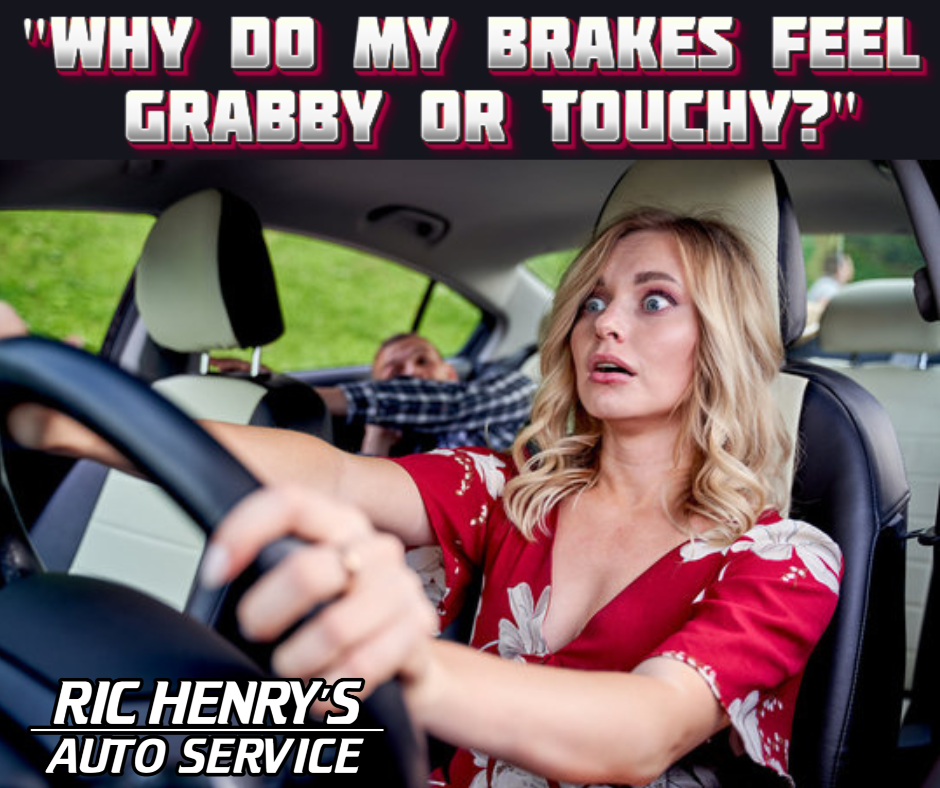
Let’s play a game of "What’s That Sensation?" You’re cruising down West Washington Drive, maybe heading toward the Concho River for a little afternoon relaxation. You tap the brake pedal, expecting that smooth, reassuring deceleration you’re used to. Instead, the car lurches forward like a startled cat, or the brakes bite down so hard you feel like you’ve just thrown an anchor out the window.
Welcome to the world of "grabby" or "touchy" brakes. It’s jarring, it’s annoying, and it makes you feel like you’re learning to drive all over again. So, what changed? Your car hasn’t turned evil overnight. There’s a logical explanation, and more often than not, it comes down to a few key culprits related to your brake pads.
The Usual Suspects Behind the Grab
First on the lineup: Glazed Pads.
This sounds like something from a donut shop, but it’s far less delicious. Brake pads glaze over when they’ve been subjected to high heat cycles without being properly broken in. Think of it like taking a frying pan and immediately running it under cold water, it messes up the surface. When the friction material gets too hot, it hardens and forms a shiny, glass-like layer. This glazed surface actually reduces friction when you’re barely touching the pedal, but as you push harder, it can grab inconsistently, giving you that herky-jerky feeling .
Next up is Contamination. Your brake pads are like pristine white carpet, they hate spills. If oil, grease, or brake fluid leaks from a caliper or gets splashed onto the pads during a roadside quick-fix, the friction material soaks it up. A contaminated pad loses its ability to smoothly grip the rotor. Instead, it might grab suddenly or cause the car to pull to one side, turning a simple stop into an adventure you didn’t sign up for.
Finally, sometimes it’s not a problem, it’s an Upgrade. Did you just have new brakes installed? Many modern "premium" or "performance" brake compounds are simply more aggressive than the standard stuff. They have a higher coefficient of friction, meaning they bite harder with less pedal pressure. It’s a rude awakening if you’ve been used to soft, mushy brakes for years. These new pads are still in the "bedding-in" period, where a thin layer of friction material is transferring to the rotors to create a smooth braking interface. Until that happens, they can feel a little overeager.
Why You Can’t Just "Live With It"
Here in San Angelo, we’re a community that gets things done. We don’t have time for a vehicle that doesn’t behave. Whether it’s navigating the traffic on Bryant Boulevard or heading out to the lake for the weekend, your car needs to be predictable. A grabbing brake isn't just an annoyance; it’s a safety concern. It affects your ability to modulate stops smoothly and can lead to premature wear on your rotors and suspension components.
This is precisely why you need a shop you can trust. Not just any shop, but one that has been evolving right alongside the automotive industry. Cars aren't like they were in 1992. They’re rolling computers with advanced stability control and complex braking systems that require a specific touch and knowledge base.
That’s where Ric Henry's Auto Service comes in.
We’ve been a staple of the San Angelo community for decades, and we haven’t just survived, we’ve evolved. While other shops might just throw parts at the problem, our experienced technicians dig deeper.
We use the same tools and diagnostic equipment that the dealerships use to pinpoint whether you have glazed pads from improper bedding, contamination from a leak, or if your new "aggressive" compound just needs a proper break-in.
We offer comprehensive auto repair services, from minor fixes to major overhauls. And because we stand by our work, every service we provide is backed by a robust 3-year/36,000-mile warranty. So, you can rest easy knowing your vehicle is protected long after you leave our shop.
Don’t let grabby brakes ruin your drive. Trust your car in the hands of Ric Henry's Auto Service.
Because your car should stop on a dime, not because you're scared, but because it's designed to.

Is your car pausing when you hit the gas? From throttle lag to turbo spool, discover the causes of hesitation. Trust Ric Henry's Auto Service in San Angelo for expert diagnostics and repairs backed by a 3/36k warranty.
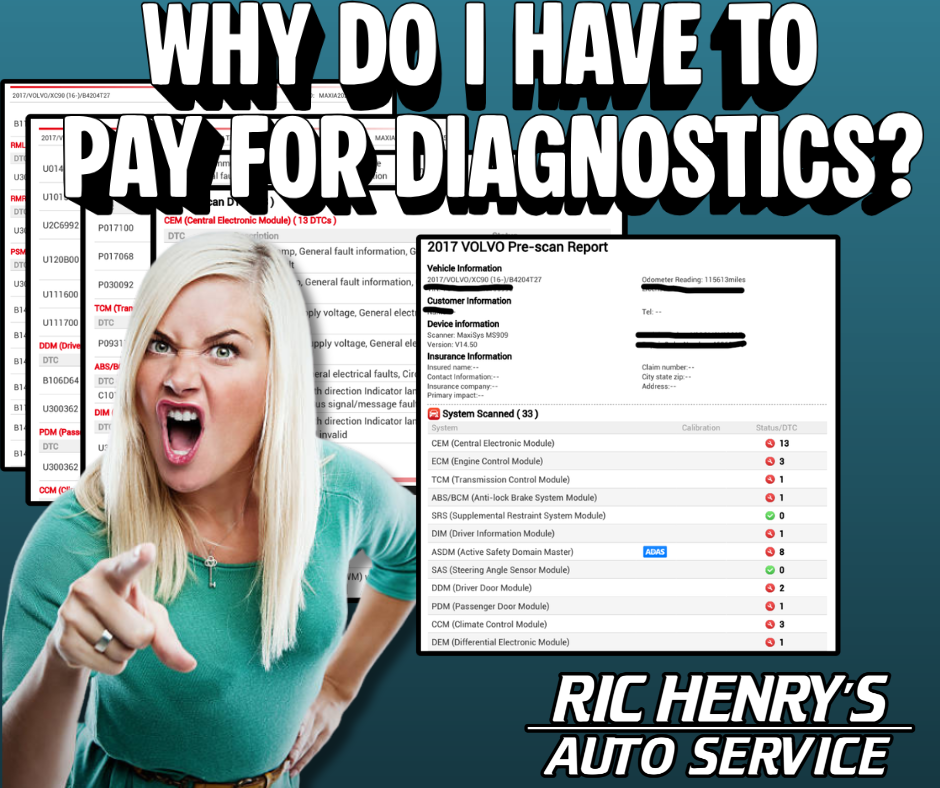
A San Angelo customer left a bad review over a diagnostic fee. We break down why modern car repair isn't guesswork, why technicians aren't thieves, and why you need a shop you can trust like Ric Henry's Auto Service.
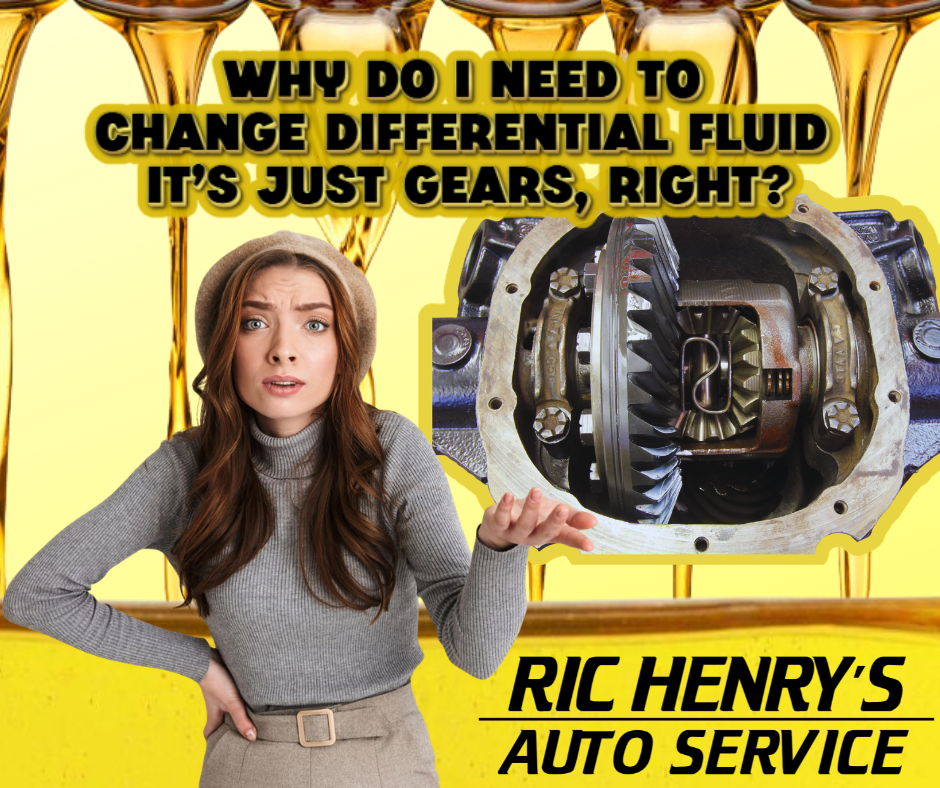
Think differential fluid is "fill for life"? Think again. Learn about heat breakdown, wear metals, and LSD additives. Trust Ric Henry's Auto Service in San Angelo for expert service backed by a 3-year/36,000-mile warranty.
Share On: