What Is a Head Gasket Combustion Leak Test?
The Little Test That Can Save Your Engine Big Bucks
A Cooling System Problem That Deserves Your Attention
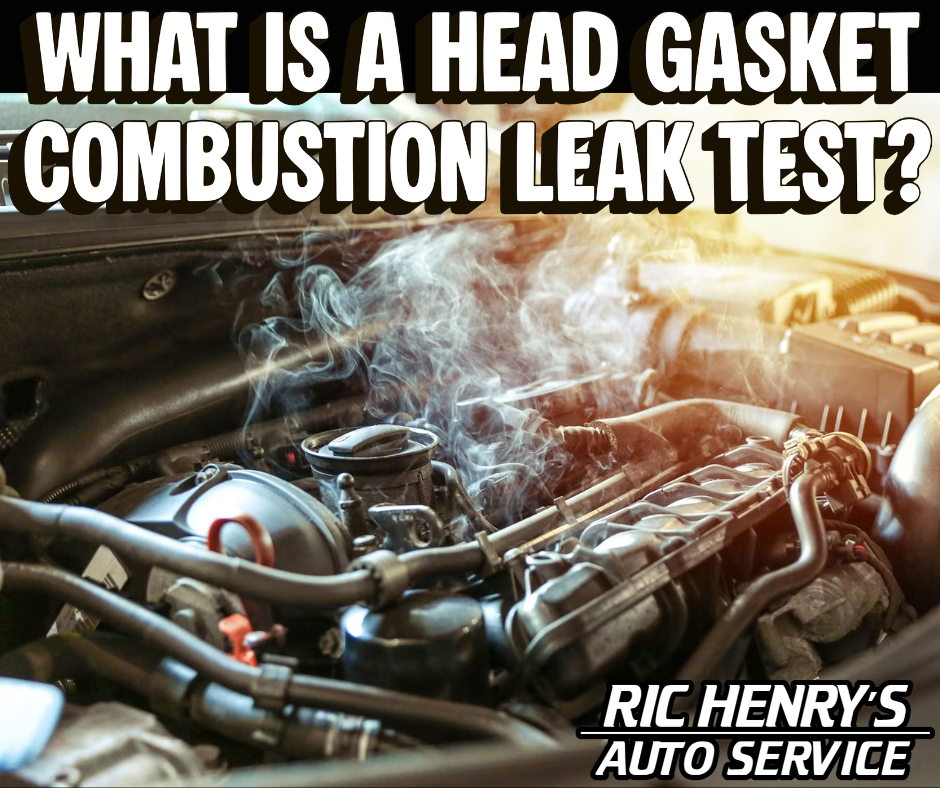
Your car's temperature gauge is climbing, coolant keeps disappearing, or your engine is pushing coolant out of the overflow tank like it has somewhere better to be. Before you start buying coolant by the gallon and hoping for the best, it is time to investigate what is really going on under the hood. One potential culprit is a head gasket combustion leak, and a head gasket combustion leak test can help identify it before a small problem turns into an expensive engine disaster.
At Ric Henry's Auto Service, we believe in finding the cause of a problem instead of throwing parts at your vehicle and crossing our fingers. Family auto repair roots dating back to 1966, proudly serving San Angelo drivers for generations, have taught us that accurate diagnostics and honest recommendations are worth their weight in gold. Especially when the alternative is an engine repair bill that makes you want to trade your car for a bicycle.
What Does a Combustion Leak Test Do?
A head gasket combustion leak test checks for exhaust gases in your engine's coolant. When combustion gases enter the cooling system, it can indicate a failed head gasket, a cracked cylinder head, or, in some cases, a cracked engine block.
Think of your engine as a carefully choreographed performance. The cylinders need to contain enormous pressure during combustion, while the cooling system needs to circulate coolant at a much lower pressure. The head gasket separates these critical areas and helps keep combustion gases, coolant, and engine oil where they belong. When that gasket fails, the boundaries can break down, and trouble begins.
A combustion leak test helps us determine whether combustion gases are entering the cooling system. It is a valuable diagnostic step when an engine overheats repeatedly, loses coolant without an obvious external leak, or builds excessive pressure in the cooling system.
The Science Behind the Test: A Little Chemistry Goes a Long Way
So, how does a combustion leak test actually work? The process uses a specialized tester containing chemical indicator fluid that reacts to combustion gases.
With the engine running under appropriate conditions, we draw air or vapor from the cooling system through the tester. If combustion gases containing detectable carbon dioxide are present, the chemical fluid changes color. With common blue indicator fluid, a change from blue toward yellow indicates a positive result. The exact color response depends on the test fluid being used.
It is a clever way to uncover a problem that might otherwise hide in plain sight. You do not need to see coolant pouring onto the pavement or clouds of smoke billowing from the exhaust for a combustion leak to exist.
Of course, proper testing matters. Cooling systems can be dangerously hot and pressurized, so this is not a test where you should casually remove the radiator cap and start experimenting. At Ric Henry's Auto Service, our technicians use appropriate procedures and equipment to perform diagnostic testing safely and interpret the results in context.
Why Bubbles and Milky Oil Are Not the Whole Story
You may have heard that bubbles in the coolant or milky-looking oil are telltale signs of a blown head gasket. They can be clues, but they are not definitive answers.
Bubbles in the cooling system can have several causes, including trapped air, while milky oil can indicate coolant contamination from a gasket failure or another internal engine problem. On the other hand, a combustion leak can be present without producing either symptom.
That is why a chemical combustion leak test is so useful. Rather than relying on appearances alone, it checks for evidence of combustion gases entering the cooling system.
At Ric Henry's Auto Service, we do not believe in diagnosing an engine by rumor, guesswork, or whatever a stranger on the internet said about a mysterious puddle. We use diagnostic evidence to narrow down the possibilities and determine the next appropriate step.
The Cooling System Pressure Test: Another Piece of the Puzzle
A combustion leak test is powerful, but no single test tells the entire story in every situation. That is where additional diagnostic procedures come into play.
A cooling system pressure test checks whether the cooling system can maintain the specified pressure and can help identify leaks from hoses, the radiator, the water pump, the heater circuit, and other components. It can also help uncover certain internal leaks, depending on the circumstances.
A pressure test and a combustion leak test answer different questions. One evaluates the cooling system's ability to hold pressure, while the other looks for evidence of combustion gases in the coolant. Together, they provide a more complete picture of what is happening inside your engine.
Depending on the symptoms and findings, we may recommend additional checks, such as cylinder leak-down testing, compression testing, or other engine diagnostics. The goal is straightforward: identify the actual failure before recommending an expensive repair.
Small Leak, Big Trouble: How a Head Gasket Failure Begins
Not every head gasket failure announces itself with dramatic white smoke and an engine temperature gauge heading for the moon.
Sometimes, the leak is small. Combustion pressure may enter the cooling system in sufficient quantities to cause excessive pressure and push coolant out through the overflow. You might notice that the coolant level keeps dropping, the temperature fluctuates, or the engine overheats during certain driving conditions.
In more severe cases, coolant can enter a cylinder, causing persistent white exhaust smoke with a sweet smell, rough running, misfires, or difficulty starting. Coolant and oil can also mix if the failure creates a passage between those systems.
The tricky part is that these symptoms can overlap with other mechanical problems. White exhaust vapor during a cold start, for example, can simply be normal condensation. That is why professional diagnosis matters.
If your vehicle repeatedly overheats, loses coolant without an obvious explanation, or develops unexplained cooling system pressure, do not keep topping it off and hoping the problem disappears. Engines are remarkably good at turning a minor warning into a major repair when those warnings are ignored.
What Happens If the Head Gasket Really Is Blown?
Once testing and further inspection confirm a head gasket failure, the repair may involve considerably more than replacing a gasket.
The cylinder head must generally be removed to access the head gasket. The head and related components are then inspected for damage, including cracks, warpage, and evidence of overheating. Depending on the engine and manufacturer specifications, the cylinder head may require precision resurfacing if its condition permits.
The engine block's mating surface also needs inspection, and the repair must account for the original cause of the failure. A malfunctioning thermostat, failed water pump, restricted radiator, or another cooling system problem could have contributed to the overheating that damaged the gasket.
Simply installing a new gasket without addressing the underlying issue risks repeating the failure. That is why a thorough repair includes inspecting the components and systems that could have caused or contributed to the damage.
Why Driving With a Combustion Leak Is a Risk You Should Not Take
If you suspect a head gasket combustion leak, continuing to drive can make a bad situation much worse.
Excessive combustion pressure in the cooling system can force coolant out, reducing the amount available to regulate engine temperature. As coolant levels drop, overheating becomes more likely. Severe overheating can warp the cylinder head, damage the head gasket further, crack engine components, or cause catastrophic engine failure.
Coolant entering a cylinder can also create additional damage. In extreme cases, liquid coolant can prevent a piston from completing its normal travel, potentially causing severe internal engine damage.
The financial difference between catching a problem early and driving until the engine fails can be substantial. If the temperature gauge climbs into the danger zone, a warning appears, or the engine begins overheating repeatedly, pull over somewhere safe and shut it off. Arrange professional assistance rather than trying to nurse the vehicle home.
A tow bill is rarely anyone's favorite expense, but it is often a lot easier to swallow than the cost of replacing an engine.
San Angelo Drivers Deserve Modern Diagnostics and Old-Fashioned Honesty
At Ric Henry's Auto Service, we are proud of our roots, but we do not confuse tradition with standing still.
Our family auto repair roots date back to 1966, and we have spent generations serving drivers in San Angelo, Texas. That history represents more than years on the calendar. It reflects a commitment to our community, the relationships we build with customers, and the responsibility we take when someone trusts us with their vehicle.
Just because we have been doing this since the 1960s does not mean we are still fixing cars like it is 1966. Vehicles have changed dramatically, and our shop has evolved right alongside the industry. Today's engines rely on sophisticated electronics, precision engineering, and increasingly complex systems. Keeping up means investing in modern diagnostic technology, professional equipment, ongoing technical knowledge, and the skills needed to service today's vehicles properly.
Cars are more than our industry. They are our passion. We take big Texas pride in being the shop San Angelo drivers can trust, not just today, but for generations to come.
Dealer-Level Care Without Rearranging Your Life
We understand that car trouble rarely shows up at a convenient time. You have work, family, errands, and approximately seventeen other things on your calendar. Your vehicle should not require you to rearrange your entire life just to get quality service.
That is why Ric Henry's Auto Service offers comprehensive auto repair and multiple system maintenance services, supported by convenient options designed around your schedule.
Our services include concierge pickup, early-bird drop-off, online booking, and phone status updates, helping you stay informed and keep your day moving. Whether your vehicle needs routine maintenance, cooling system diagnostics, or a more involved engine repair, our goal is to make the process as straightforward as possible.
We also stand behind the services we provide with a 3-year/36,000-mile warranty, subject to the applicable warranty terms. We want you to understand what your vehicle needs, why it needs it, and what to expect from the repair. That is dealer-level care without rearranging your life.
We Explain the Repair Before We Sell the Repair
Trust is not built by handing someone a repair estimate filled with unfamiliar terminology and hoping they sign at the bottom. Trust is built by explaining the problem, discussing the available options, and giving customers the information they need to make an informed decision.
At Ric Henry's Auto Service, we believe in honest diagnostics. If your cooling system is losing coolant, we want to determine why. If a combustion leak test points toward a head gasket failure, we want to explain what the results mean and what additional inspection may be necessary before determining the scope of the repair.
Not every overheating vehicle needs a head gasket. Not every coolant leak means the engine is ruined. And not every problem can be diagnosed from a single test.
We explain our findings before recommending repairs, answer your questions, and help you understand the difference between what needs attention now and what may be addressed later. Our experienced team is equipped to handle a wide range of repairs, from minor fixes to major overhauls, with the tools, knowledge, and care your vehicle deserves.
When you trust your car in the hands of Ric Henry's Auto Service, you are choosing a team that values your time, your investment, and your confidence in the work being performed.
Catch the Leak Before It Makes a Splash
A head gasket combustion leak test is a valuable diagnostic tool that helps identify combustion gases entering your engine's cooling system. By combining this test with cooling system pressure testing, inspections, and other appropriate diagnostics, technicians can determine whether a head gasket, cylinder head, or another engine component may be compromised.
Early detection can help prevent additional overheating damage, reduce the risk of catastrophic engine failure, and give you a clearer understanding of your repair options.
If your vehicle is losing coolant, overheating, or showing signs of excessive cooling system pressure, let the team at Ric Henry's Auto Service help you get to the bottom of it. We have been serving San Angelo drivers since 1966, and we continue to combine generations of experience with modern diagnostic technology and straightforward service.
Your engine works hard to keep you moving. Give it the attention it deserves by trusting your car in the hands of Ric Henry's Auto Service.