
Handling a Tire Blowout
NaTasha Brand • July 18, 2025
(Without Losing Your Cool—or Control)
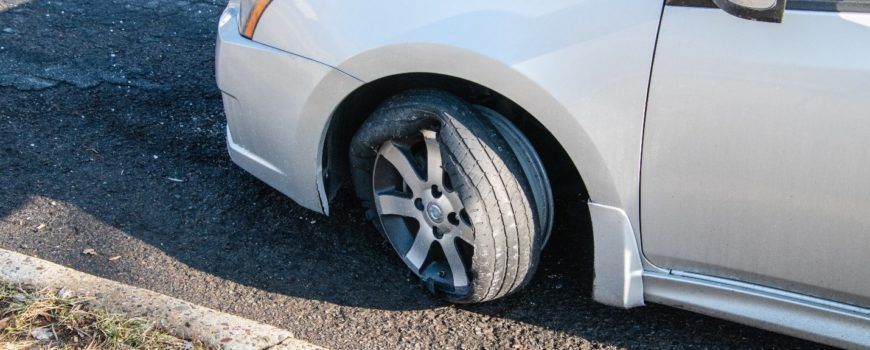
You're cruising down the highway near San Angelo, wind in your hair (or through your open windows, at least), when—BANG!—your tire decides it’s had enough of this mortal coil. Now what?
A blowout isn’t just startling; it can be dangerous if you don’t react correctly. Your car might pull sharply to one side, the steering wheel could shake violently, and if you panic and slam the brakes? That’s a recipe for a spinout. Instead:
1. Stay calm (easier said than done, but try).
2. Grip the wheel firmly and steer straight.
3. Ease off the gas—let the car slow naturally.
4. Brake gently only once you’ve regained control.
5. Pull over safely—preferably not next to a tumbleweed convention.
Why Do Tires Blow Out?
West Texas roads are no joke—between potholes, scorching summer heat, and the occasional rogue mesquite branch, your tires endure a lot. Common culprits include:
• Underinflation (the #1 tire killer)
• Overloading your vehicle (your truck isn’t a pack mule)
• Hitting potholes or debris (San Angelo streets can be… adventurous)
• Old, worn-out tread (bald tires = no traction = bad news)
Tire TLC: How to Make Them Last
Want to avoid becoming a roadside spectacle? Follow these tips:
✔ Check tire pressure monthly—your car’s manual has the magic number.
✔ Rotate tires every 5,000-7,000 miles (uneven wear is a silent killer).
✔ Align your wheels if your car pulls to one side (we see you, San Angelo backroads).
✔ Inspect tread depth—stick a penny in the tread; if you see Lincoln’s head, it’s time for new tires.
When to Call in the Pros
If your car:
• Vibrates at high speeds
• Pulls left or right like it’s got a mind of its own
• Has tires with cracks, bulges, or suspiciously smooth patches
…it’s time to visit Ric Henry’s Auto Service. Our team uses dealership-grade tools to handle everything from tire repairs to full alignments, and we back our work with a 3-year/36,000-mile warranty—because we’re confident you’ll love the ride.
So next time you hear that dreaded pop, remember: Stay cool, steer steady, and when in doubt, let Ric Henry’s keep your tires (and your nerves) intact. After all, the only blowout you want is the kind that involves cake and candles.

Is your car in Limp Mode? Learn why your vehicle limits power to protect the engine and why you should trust Ric Henry's Auto Service in San Angelo for honest diagnostics and dealer-level care.

Unlock the mystery of DEF fluid and Selective Catalytic Reduction. Learn why your diesel drinks it and why Ric Henry's Auto Service is San Angelo's trusted dealership alternative for expert diesel care.
Why does brake fluid need changing in a closed system? Learn how hygroscopy lets water ruin your brakes, and trust Ric Henry's Auto Service in San Angelo for honest, dealership-level care.
Is your car's temperature gauge rising in traffic but dropping on the highway? Learn why this happens and why you should trust Ric Henry's Auto Service in San Angelo for honest cooling system repairs.
Does engine braking damage your car? Discover the truth about downshifting, rev-matching, and brake fade. Trust your vehicle to Ric Henry's Auto Service in San Angelo for expert care.
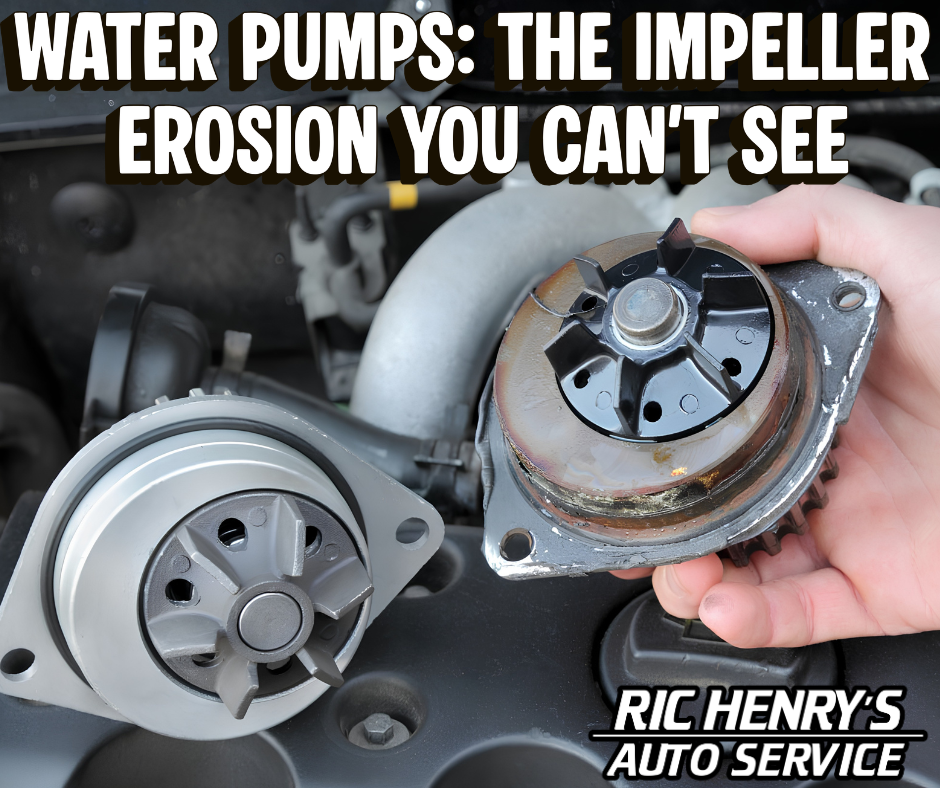
Water pump problems can hide behind impeller erosion and poor coolant circulation. Learn why San Angelo drivers trust Ric Henry's Auto Service for honest diagnostics, modern technology, and dealership-level care.
Is your modern car burning through oil? Discover the causes of excessive oil consumption in new engines and why San Angelo drivers trust Ric Henry's Auto Service, a legacy shop since 1966.

Stop asking, "Why do you need my VIN?" Learn the fascinating history of this 17-digit code, why it is critical for accurate repairs and recalls, and why we insist on it at Ric Henry's Auto Service, San Angelo's trusted dealership alternative since 1966.
Learn what the CAN Bus system does, warning signs of failure, and why San Angelo drivers trust Ric Henry’s Auto Service for honest, dealer-level diagnostics.

Learn what valve float is, its causes and warning signs, and how Ric Henry’s Auto Service provides trusted, modern engine diagnostics and repair for San Angelo drivers.